Hyundai Stock Falls 4% After Trump Imposes 25% Tariff on S-Korea
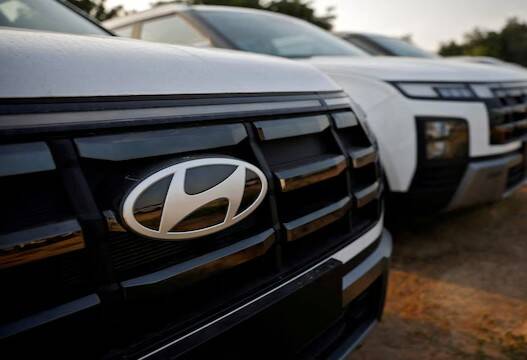
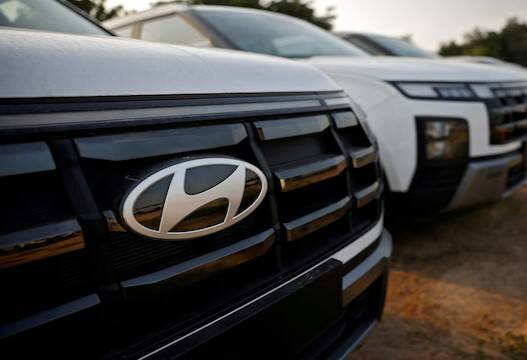
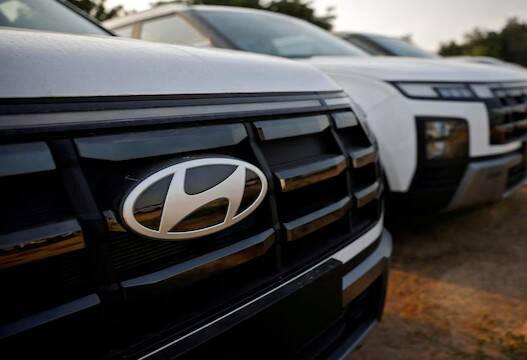
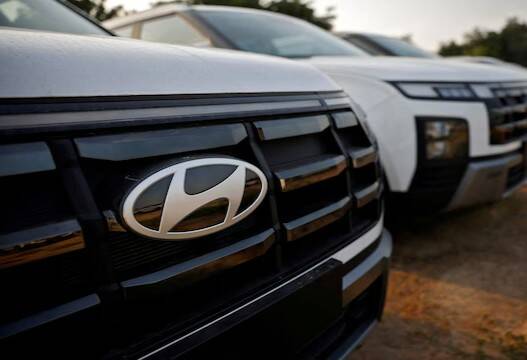
The shares of Hyundai, one of the biggest automobile companies in South Korea, saw a sharp decline on Tuesday, as it fell as much as 4.77% on Tuesday, according to CNBC TV18. This came after Donald Trump imposed a 25% tariff on the Southeast Asian country. Hyundai’s subsidiary Kia dropped nearly 3.5%, and the affiliated Hyundai Mobis was down 5%. The sudden drop in stock prices has sent shockwaves across the automotive industry, with many investors and analysts worried about the potential impact of the tariffs on the company’s bottom line.
The tariffs, which were announced by the Trump administration, are aimed at protecting the American automotive industry from what the president sees as unfair competition from foreign manufacturers. However, the move has been met with widespread criticism from industry experts, who argue that the tariffs will ultimately harm American consumers and businesses. The tariffs are also expected to have a significant impact on the South Korean economy, which is heavily reliant on exports.
Hyundai, which is one of the largest automobile manufacturers in the world, has a significant presence in the United States. The company has several manufacturing facilities in the country, including a major plant in Alabama, and exports a large number of vehicles to the US market. The tariffs, therefore, are likely to have a significant impact on the company’s sales and revenue.
The decline in Hyundai’s stock price is not surprising, given the potential impact of the tariffs on the company’s business. The tariffs will make it more expensive for Hyundai to export vehicles to the US, which could lead to a decline in sales and revenue. The company may also be forced to increase prices, which could make its vehicles less competitive in the US market.
The impact of the tariffs on Hyundai’s subsidiary Kia is also likely to be significant. Kia, which is also a major automobile manufacturer, has a significant presence in the US market and exports a large number of vehicles to the country. The tariffs will make it more expensive for Kia to export vehicles to the US, which could lead to a decline in sales and revenue.
The affiliated Hyundai Mobis, which is a major supplier of automotive parts, is also likely to be impacted by the tariffs. The company supplies parts to a number of major automobile manufacturers, including Hyundai and Kia, and the tariffs could make it more expensive for these companies to source parts from South Korea.
The tariffs are also likely to have a broader impact on the automotive industry, with many other manufacturers likely to be affected. The tariffs will make it more expensive for foreign manufacturers to export vehicles to the US, which could lead to a decline in sales and revenue. The tariffs could also lead to a decline in investment in the US automotive industry, as manufacturers may be less likely to invest in new facilities and technologies if they are subject to tariffs.
The Trump administration has argued that the tariffs are necessary to protect the American automotive industry from unfair competition from foreign manufacturers. However, many industry experts have argued that the tariffs will ultimately harm American consumers and businesses. The tariffs will make it more expensive for American consumers to purchase vehicles, which could lead to a decline in sales and revenue for US-based manufacturers.
The tariffs are also likely to have a significant impact on the South Korean economy, which is heavily reliant on exports. The country’s automotive industry is one of its largest and most important sectors, and the tariffs could lead to a decline in exports and revenue. The tariffs could also lead to a decline in investment in the South Korean economy, as foreign investors may be less likely to invest in a country that is subject to tariffs.
In conclusion, the decline in Hyundai’s stock price is a significant development that reflects the potential impact of the tariffs on the company’s business. The tariffs, which were imposed by the Trump administration, are likely to have a significant impact on the automotive industry, with many manufacturers likely to be affected. The tariffs will make it more expensive for foreign manufacturers to export vehicles to the US, which could lead to a decline in sales and revenue. The tariffs could also lead to a decline in investment in the US automotive industry, as manufacturers may be less likely to invest in new facilities and technologies if they are subject to tariffs.
The impact of the tariffs on the South Korean economy is also likely to be significant, with the country’s automotive industry likely to be particularly affected. The tariffs could lead to a decline in exports and revenue, which could have a broader impact on the country’s economy. The tariffs could also lead to a decline in investment in the South Korean economy, as foreign investors may be less likely to invest in a country that is subject to tariffs.
Overall, the tariffs imposed by the Trump administration are a significant development that is likely to have a major impact on the automotive industry. The decline in Hyundai’s stock price is just one example of the potential impact of the tariffs, and it is likely that many other manufacturers will also be affected. As the situation continues to unfold, it will be important to monitor the impact of the tariffs on the automotive industry and the broader economy.
About the Author