‘Humiliated’ by Yunus, B’desh Prez wants to step down before completing term
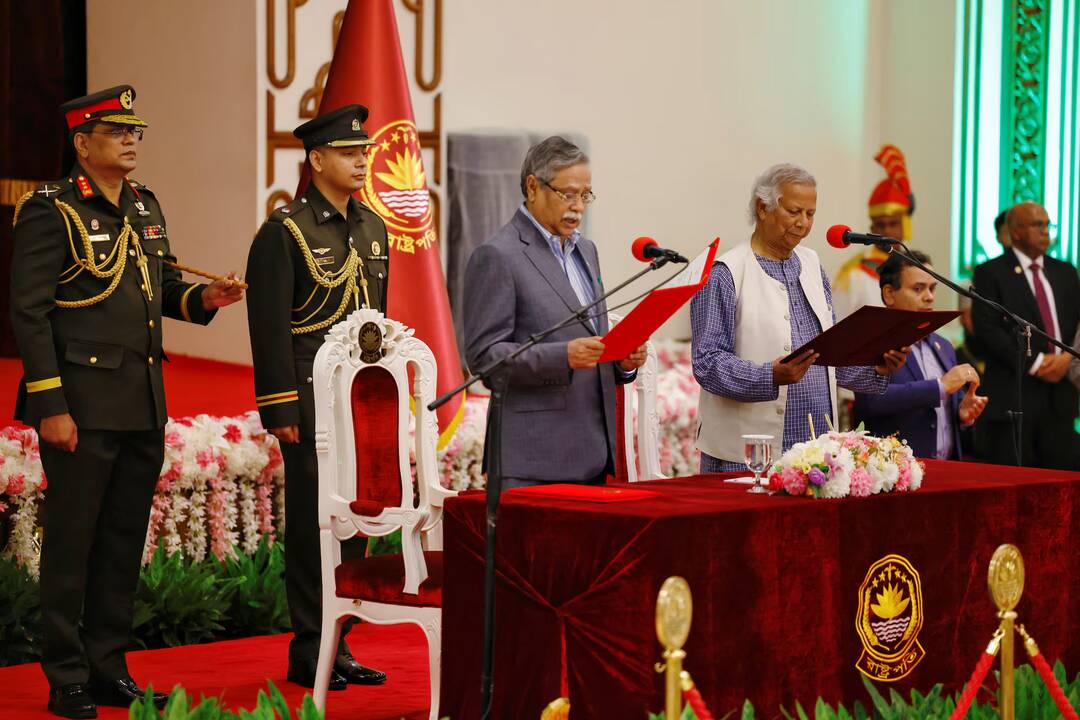
In a shocking turn of events, Bangladeshi President Mohammed Shahabuddin has expressed his desire to step down from his post before completing his term. In an exclusive interview with Reuters, Shahabuddin revealed that he intends to quit after the parliamentary election scheduled for February 12. This unexpected move has sent ripples through the Bangladeshi political landscape, leaving many to wonder about the reasons behind the President’s decision.
According to Shahabuddin, the primary reason for his decision to step down is the humiliation he has faced at the hands of Bangladesh’s interim chief, Mohammed Yunus. The President felt deeply humiliated when his portraits were taken down from Bangladeshi embassies, an incident that he believes is a clear indication of the lack of respect and cooperation from the interim government. Furthermore, Shahabuddin revealed that Yunus has not met him in seven months, highlighting the strained relationship between the two leaders.
The removal of Shahabuddin’s portraits from Bangladeshi embassies is a significant incident, as it symbolizes the erosion of the President’s authority and influence. In Bangladesh, the President is the head of state, and his portraits are typically displayed in all government offices, including embassies, as a sign of respect and protocol. The fact that Yunus’s administration has chosen to remove these portraits suggests a deliberate attempt to undermine Shahabuddin’s position and authority.
The lack of communication between Shahabuddin and Yunus is also a significant factor contributing to the President’s decision to step down. As the head of state, Shahabuddin is entitled to regular briefings and meetings with the interim chief to discuss matters of national importance. However, the fact that Yunus has not met him in seven months indicates a breakdown in communication and a lack of cooperation between the two leaders. This has likely created an environment of mistrust and tension, making it difficult for Shahabuddin to effectively discharge his duties as President.
Shahabuddin’s decision to step down before completing his term is likely to have significant implications for Bangladeshi politics. The parliamentary election scheduled for February 12 is expected to be a closely contested affair, with multiple parties vying for power. The President’s decision to quit after the election may create a power vacuum, potentially leading to political instability and uncertainty.
The opposition parties in Bangladesh are likely to view Shahabuddin’s decision as an opportunity to capitalize on the situation and gain an upper hand in the upcoming election. They may try to exploit the perceived weakness of the interim government and the lack of cooperation between Shahabuddin and Yunus to garner support from the electorate. On the other hand, the ruling party may face challenges in maintaining stability and continuity in the government, particularly if Shahabuddin’s decision leads to a power struggle or a crisis of confidence.
In conclusion, the decision of Bangladeshi President Mohammed Shahabuddin to step down before completing his term is a significant development that is likely to have far-reaching implications for the country’s politics. The humiliation he has faced at the hands of Yunus, combined with the lack of communication and cooperation between the two leaders, has created an environment of tension and mistrust. As the country prepares for the parliamentary election, it remains to be seen how Shahabuddin’s decision will impact the outcome and the future of Bangladeshi politics.
About the Author