‘Humiliated’ by Yunus, B’desh Prez wants to step down before completing term
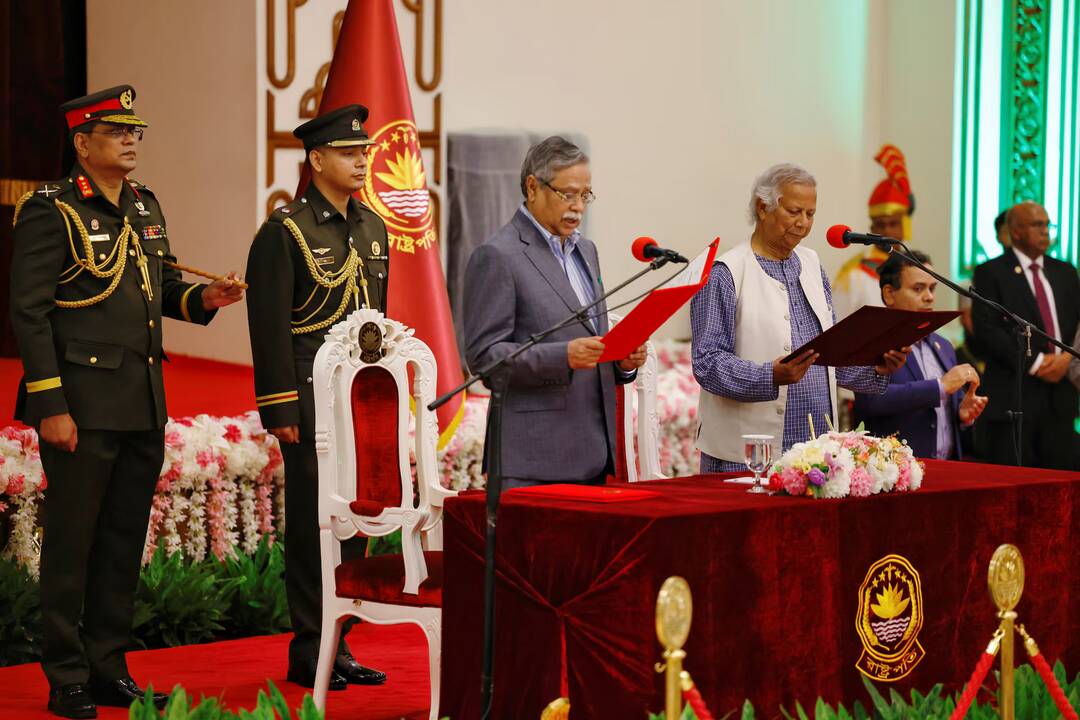
In a shocking turn of events, Bangladeshi President Mohammed Shahabuddin has revealed his intention to step down from his post before completing his term. In an exclusive interview with Reuters, Shahabuddin expressed his desire to quit after the upcoming parliamentary election on February 12. The President’s decision to resign comes after a series of events that have left him feeling humiliated, particularly at the hands of Bangladesh’s interim chief, Mohammed Yunus.
According to Shahabuddin, one of the most significant factors contributing to his decision to step down is the removal of his portraits from Bangladeshi embassies. This move, he believes, is a clear indication of the lack of respect and dignity afforded to him as the President of Bangladesh. The removal of his portraits is seen as a symbolic gesture of disrespect, and Shahabuddin feels that it is a personal attack on his character and position.
Furthermore, Shahabuddin revealed that he has not met with interim chief Mohammed Yunus in over seven months. This lack of communication and cooperation between the two leaders has created a sense of isolation and marginalization, leaving Shahabuddin feeling disconnected from the country’s governance. The absence of dialogue and collaboration between the President and the interim chief has resulted in a power vacuum, with Shahabuddin feeling increasingly powerless and irrelevant.
The decision to step down before completing his term is a significant one, and it has far-reaching implications for the country’s political landscape. Shahabuddin’s resignation would mark a premature end to his presidency, and it would likely trigger a series of events that would shape the future of Bangladeshi politics. The parliamentary election on February 12 is expected to be a crucial milestone in the country’s political journey, and Shahabuddin’s decision to quit after the election would add an extra layer of complexity to the already delicate political situation.
The relationship between Shahabuddin and Yunus has been strained for some time, with the two leaders holding fundamentally different views on the country’s governance and direction. Yunus, as the interim chief, has been instrumental in shaping the country’s policies and decisions, often without consulting Shahabuddin. This lack of consultation and collaboration has created tension between the two leaders, with Shahabuddin feeling increasingly marginalized and ignored.
The removal of Shahabuddin’s portraits from Bangladeshi embassies is seen as a manifestation of this tension. The portraits, which are typically displayed as a symbol of respect and dignity, were taken down without Shahabuddin’s knowledge or consent. This move, he believes, is a clear indication of the lack of respect and dignity afforded to him as the President of Bangladesh.
Shahabuddin’s decision to step down has sparked a mix of reactions from various quarters. Some have expressed surprise and disappointment at the President’s decision, while others have welcomed it as an opportunity for change and renewal. The opposition parties, in particular, have been quick to capitalize on the situation, with some leaders calling for Shahabuddin’s immediate resignation.
As the country prepares for the parliamentary election on February 12, the political landscape is becoming increasingly complex and unpredictable. Shahabuddin’s decision to step down has added a new layer of uncertainty to the situation, and it remains to be seen how the election will unfold. One thing is certain, however: the future of Bangladeshi politics will be shaped by the events of the coming weeks and months.
In conclusion, the decision by Bangladeshi President Mohammed Shahabuddin to step down before completing his term is a significant development that has far-reaching implications for the country’s political landscape. The removal of his portraits from Bangladeshi embassies and the lack of communication with interim chief Mohammed Yunus have contributed to Shahabuddin’s feeling of humiliation and marginalization. As the country prepares for the parliamentary election on February 12, the future of Bangladeshi politics remains uncertain and unpredictable.
About the Author