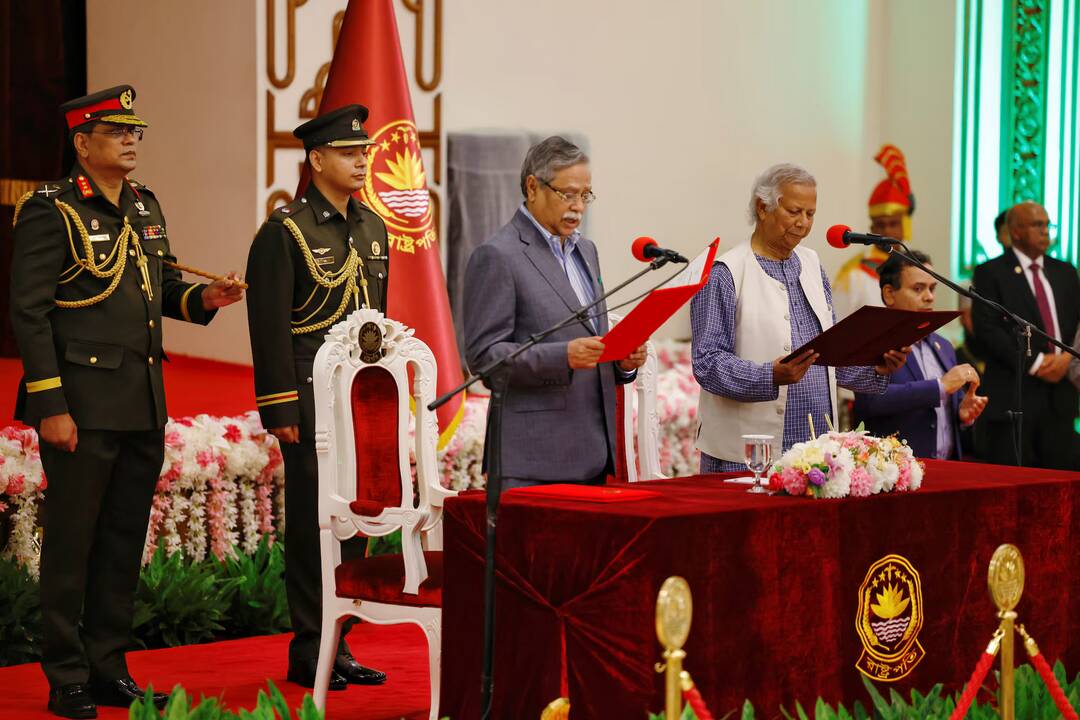
‘Humiliated’ by Yunus, B’desh Prez wants to step down before completing term
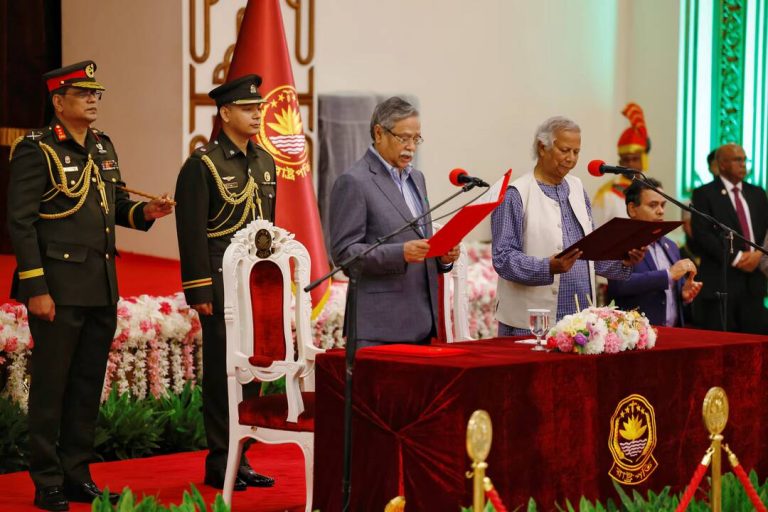
In a shocking turn of events, Bangladeshi President Mohammed Shahabuddin has announced his intention to step down from his post before completing his term. This revelation comes amidst a series of developments that have left the President feeling “humiliated” and disconnected from the country’s interim government. According to a recent interview with Reuters, Shahabuddin plans to quit after the parliamentary election scheduled for February 12.
The decision to step down has been attributed to a series of incidents that have left the President feeling marginalized and disrespected. One of the most significant factors contributing to this decision is the removal of his portraits from Bangladeshi embassies. This move, seen as a clear snub, has been perceived by Shahabuddin as a personal attack and a deliberate attempt to undermine his authority.
Furthermore, the President has revealed that he has not met with Bangladesh’s interim chief, Mohammed Yunus, in over seven months. This lack of communication and coordination has created a sense of isolation and has further exacerbated the feeling of humiliation. The absence of a working relationship between the President and the interim chief has raised concerns about the stability and effectiveness of the government.
The parliamentary election, scheduled for February 12, is expected to be a pivotal moment in Bangladeshi politics. The outcome of this election will not only determine the composition of the new parliament but also have a significant impact on the country’s future trajectory. Shahabuddin’s decision to step down after the election suggests that he is unwilling to continue in a role that has become increasingly ceremonial and lacking in real authority.
The removal of the President’s portraits from embassies is a significant development that has been seen as a challenge to Shahabuddin’s authority. This move is perceived as a clear indication that the interim government, led by Mohammed Yunus, is no longer willing to recognize the President’s role or legitimacy. The fact that this decision was taken without consulting the President has added to the sense of humiliation and betrayal.
The lack of communication between the President and the interim chief has created a power vacuum that has been filled by other actors. The absence of a clear line of authority has led to confusion and instability, with different factions and interest groups vying for influence. This situation has raised concerns about the country’s ability to address pressing challenges, including economic development, social justice, and national security.
The decision by Shahabuddin to step down has significant implications for Bangladeshi politics. It raises questions about the role of the President in the country’s governance structure and the relationship between the President and the interim government. The fact that the President feels humiliated and marginalized suggests that there are deeper issues at play, including a lack of respect for the office of the President and a disregard for the country’s constitutional framework.
In the context of Bangladeshi politics, the decision by Shahabuddin to step down is not entirely unexpected. The country has a history of political instability, with frequent changes in government and a lack of clear lines of authority. However, the fact that the President feels compelled to step down before completing his term is a significant development that highlights the deeper challenges facing the country.
As Bangladesh prepares for the parliamentary election, the decision by Shahabuddin to step down has added a new layer of complexity to the political landscape. The election is expected to be highly contested, with different parties and factions vying for power. The fact that the President will be stepping down after the election raises questions about the stability and continuity of the government, as well as the ability of the new parliament to address the country’s pressing challenges.
In conclusion, the decision by Bangladeshi President Mohammed Shahabuddin to step down before completing his term is a significant development that highlights the challenges facing the country. The removal of his portraits from embassies and the lack of communication with the interim chief have created a sense of humiliation and marginalization, leading the President to feel that he can no longer continue in his role. As the country prepares for the parliamentary election, the decision by Shahabuddin to step down raises questions about the stability and effectiveness of the government, as well as the ability of the new parliament to address the country’s pressing challenges.
About the Author