‘Humiliated’ by Yunus, B’desh Prez wants to step down before completing term
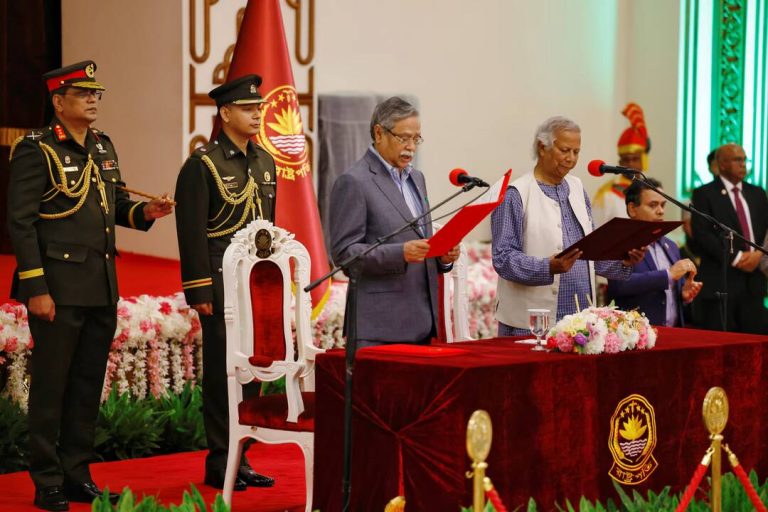
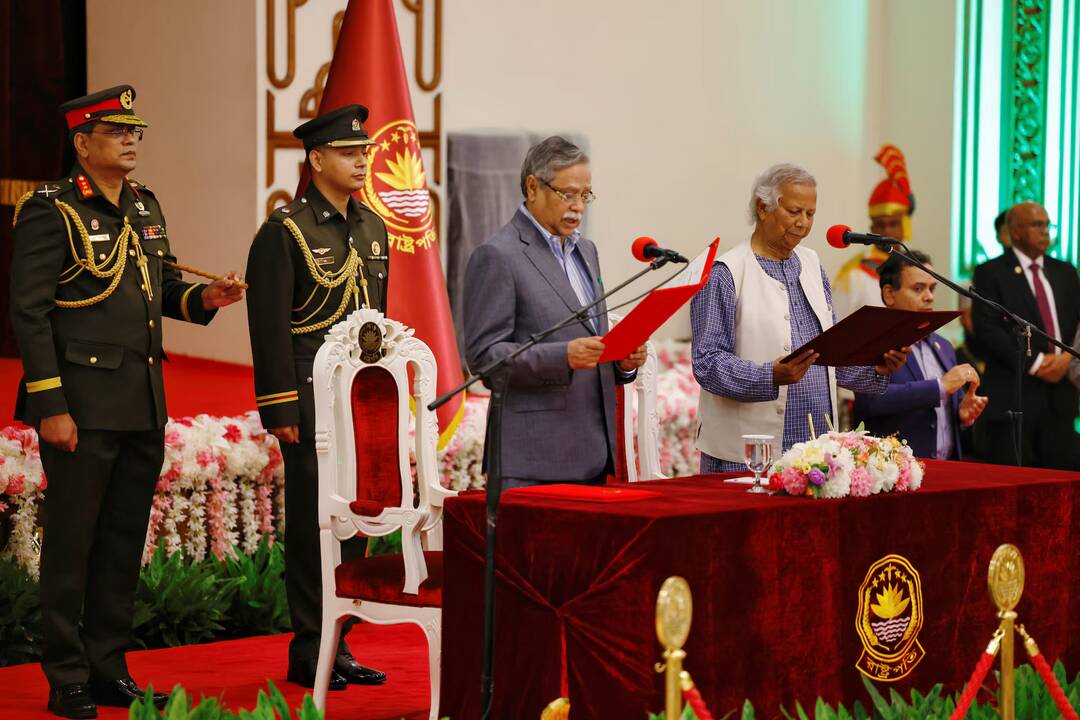
In a shocking turn of events, Bangladeshi President Mohammed Shahabuddin has announced his intention to step down from his post before completing his term. According to a recent interview with Reuters, Shahabuddin expressed his desire to quit after the upcoming parliamentary election on February 12. The President’s decision comes after a series of humiliating incidents, including the removal of his portraits from Bangladeshi embassies, which he believes is a deliberate attempt to undermine his authority.
Shahabuddin’s relationship with Bangladesh’s interim chief, Mohammed Yunus, has been strained for quite some time. In a surprising revelation, the President disclosed that Yunus has not met him in seven months, which he sees as a clear indication of the interim chief’s disregard for his position. The lack of communication between the two leaders has created an atmosphere of tension and mistrust, making it difficult for Shahabuddin to effectively discharge his duties as President.
The removal of Shahabuddin’s portraits from Bangladeshi embassies has been a major source of humiliation for the President. He views this act as a personal attack on his dignity and a clear attempt to belittle his office. The fact that this incident occurred without his knowledge or consent has further exacerbated the situation, leaving Shahabuddin feeling disrespected and undermined.
The parliamentary election on February 12 is likely to be a significant turning point in Bangladeshi politics. With Shahabuddin’s decision to step down, the election will not only determine the fate of the current government but also the future of the presidency. The President’s early departure will create a power vacuum, which could lead to a period of instability and uncertainty in the country.
Shahabuddin’s decision to quit has sparked a debate about the role of the President in Bangladeshi politics. While some argue that the President’s position is largely ceremonial, others believe that the office holds significant importance in maintaining the country’s stability and unity. The fact that Shahabuddin is willing to step down before completing his term raises questions about the effectiveness of the current system and the need for reforms.
The relationship between Shahabuddin and Yunus has been a subject of interest for many observers of Bangladeshi politics. The two leaders have had their differences in the past, but the current situation seems to have reached a boiling point. Yunus’s refusal to meet with Shahabuddin has been seen as a sign of disrespect and a clear indication of the interim chief’s intention to sideline the President.
The implications of Shahabuddin’s decision to step down are far-reaching. The election on February 12 will not only determine the fate of the current government but also the future of the presidency. The power vacuum created by Shahabuddin’s early departure could lead to a period of instability and uncertainty, which could have serious consequences for the country.
In conclusion, the decision of Bangladeshi President Mohammed Shahabuddin to step down before completing his term is a significant development in the country’s politics. The removal of his portraits from Bangladeshi embassies and the lack of communication with interim chief Mohammed Yunus have been major sources of humiliation for the President. As the country prepares for the parliamentary election on February 12, the future of the presidency and the stability of the government hang in the balance.
About the Author