‘Humiliated’ by Yunus, B’desh Prez wants to step down before completing term
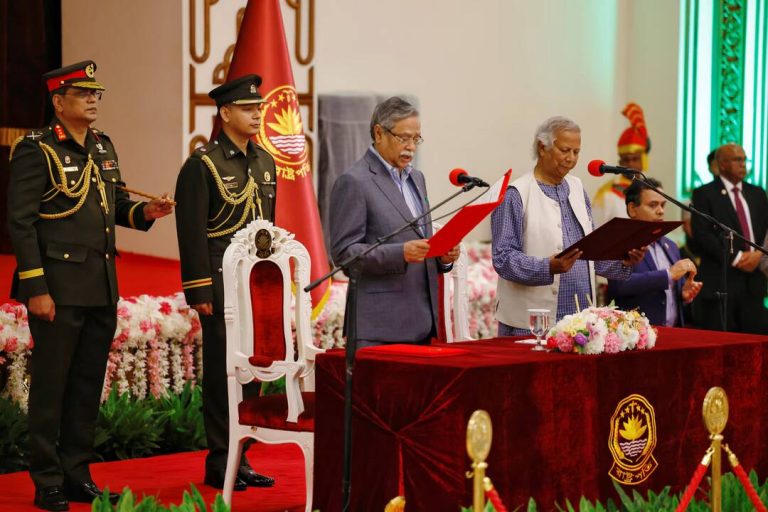
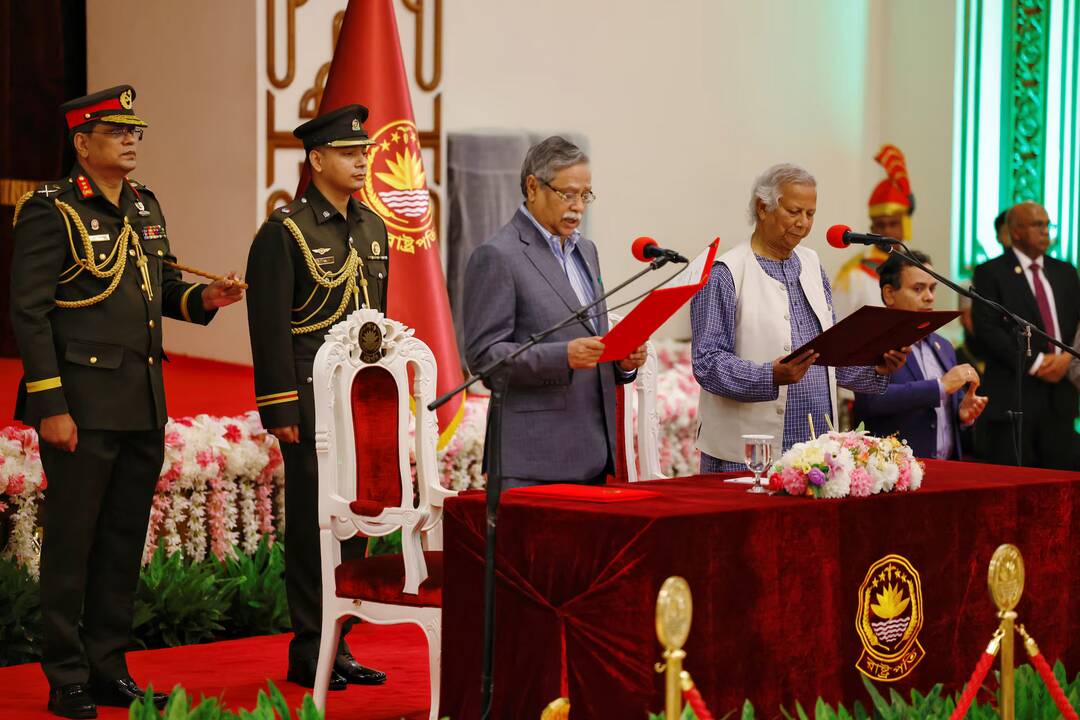
In a shocking turn of events, Bangladeshi President Mohammed Shahabuddin has revealed his intention to step down from his post before completing his term. According to a recent interview with Reuters, Shahabuddin plans to quit after the parliamentary election on February 12. The President’s decision to resign prematurely has sent shockwaves throughout the country, leaving many to wonder about the reasons behind his sudden move.
Shahabuddin attributed his decision to feelings of humiliation, which he claims have been building up over the past few months. The final straw, according to the President, was the removal of his portraits from Bangladeshi embassies. This incident, he believes, is a clear indication of the lack of respect and dignity afforded to him by the current administration. The removal of a head of state’s portrait is a significant gesture, and Shahabuddin sees it as a deliberate attempt to undermine his authority and belittle his position.
Furthermore, Shahabuddin expressed his disappointment and frustration with the current interim chief, Mohammed Yunus. According to the President, Yunus has not met with him in over seven months, which has led to a significant breakdown in communication and cooperation between the two leaders. This lack of engagement has created an atmosphere of mistrust and tension, making it increasingly difficult for Shahabuddin to effectively discharge his duties as President.
The relationship between Shahabuddin and Yunus has been strained for some time, with the two leaders holding fundamentally different views on the future of Bangladesh. While Shahabuddin has been advocating for a more inclusive and democratic approach, Yunus has been pushing for a more authoritarian and centralized system of governance. This ideological divide has created a deep-seated rift between the two leaders, ultimately contributing to Shahabuddin’s decision to resign.
The news of Shahabuddin’s impending resignation has sparked a heated debate in Bangladesh, with many citizens expressing concern about the potential consequences of such a move. The country is already facing significant challenges, including economic instability, corruption, and social unrest. The resignation of the President, many argue, could exacerbate these problems and create a power vacuum that could be exploited by opportunistic forces.
On the other hand, some observers believe that Shahabuddin’s resignation could be an opportunity for Bangladesh to transition towards a more democratic and representative system of governance. With the parliamentary election scheduled for February 12, the country may be able to capitalize on this momentum to bring about meaningful change and reform.
As the situation continues to unfold, it remains to be seen how Shahabuddin’s resignation will impact the future of Bangladesh. One thing is certain, however: the country is at a critical juncture, and the decisions made in the coming weeks and months will have far-reaching consequences for the Bangladeshi people.
In conclusion, the announcement of Shahabuddin’s intention to resign as President of Bangladesh has sent shockwaves throughout the country. The reasons behind his decision, including the removal of his portraits from embassies and the lack of engagement with interim chief Mohammed Yunus, have highlighted the deep-seated tensions and divisions within the Bangladeshi leadership. As the country prepares for the parliamentary election on February 12, it remains to be seen how Shahabuddin’s resignation will impact the future of Bangladesh and its people.
About the Author