‘Humiliated’ by Yunus, B’desh Prez wants to step down before completing term
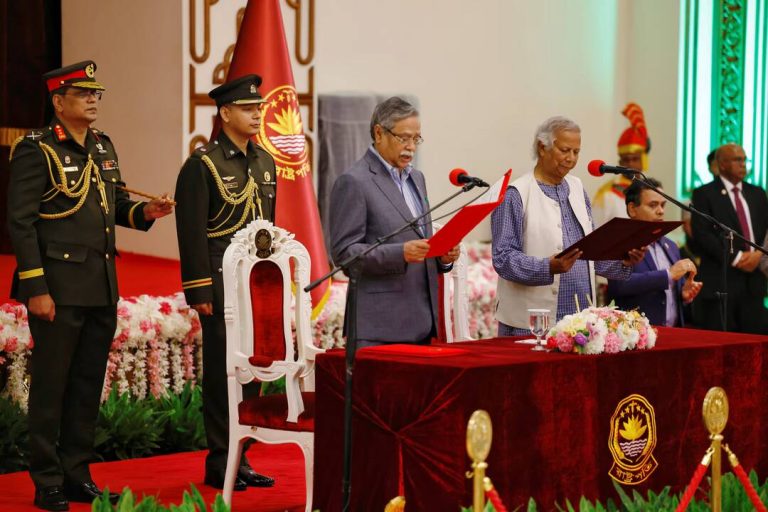
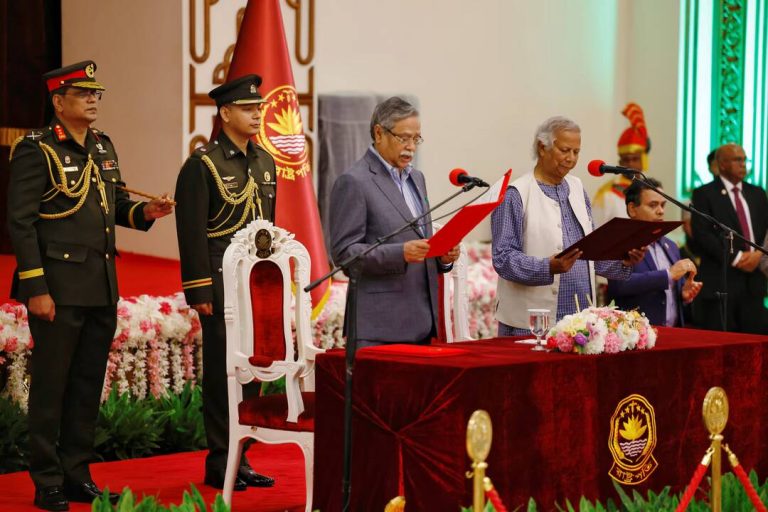
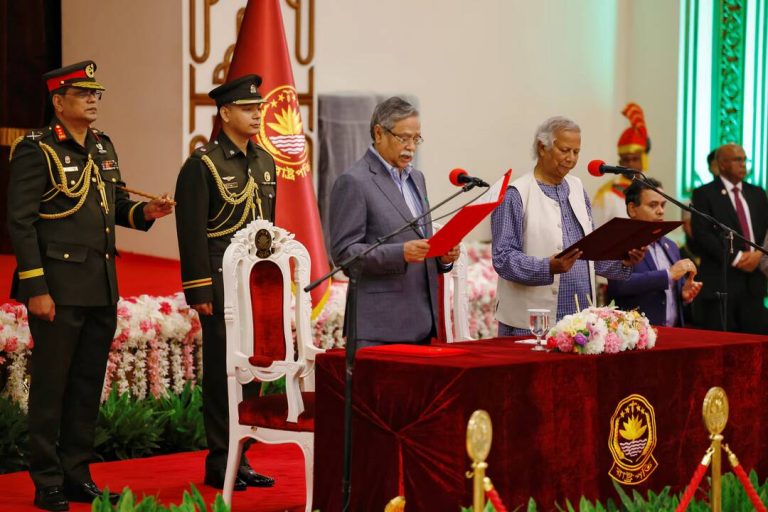
In a shocking revelation, Bangladeshi President Mohammed Shahabuddin has expressed his desire to step down from his post before completing his term. This unexpected move comes after a series of events that have left the President feeling humiliated and disrespected. In an exclusive interview with Reuters, Shahabuddin stated that he intends to quit his position after the parliamentary election on February 12.
The President’s decision to step down prematurely is largely attributed to his strained relationship with Bangladesh’s interim chief, Mohammed Yunus. Shahabuddin revealed that Yunus has not met him in seven months, which has led to a significant breakdown in communication and cooperation between the two leaders. This lack of interaction has resulted in a power vacuum, with the President feeling increasingly marginalized and ignored.
One of the most significant incidents that contributed to Shahabuddin’s feeling of humiliation was the removal of his portraits from Bangladeshi embassies. This move was seen as a direct insult to the President, who felt that his authority and legitimacy were being questioned. The removal of his portraits was perceived as a deliberate attempt to undermine his position and diminish his influence.
Shahabuddin’s decision to step down has sent shockwaves throughout the country, with many wondering about the implications of such a move. The President’s resignation would not only create a power vacuum but also raise questions about the stability and continuity of the government. The parliamentary election on February 12 is expected to be a crucial milestone in the country’s political landscape, and Shahabuddin’s resignation could potentially impact the outcome of the election.
The relationship between Shahabuddin and Yunus has been strained for some time, with the two leaders holding different views on various issues. Yunus, as the interim chief, has been responsible for overseeing the country’s transition to a new government, while Shahabuddin has been trying to assert his authority as the President. The lack of communication and cooperation between the two leaders has created an atmosphere of tension and uncertainty, which has ultimately led to Shahabuddin’s decision to step down.
The removal of Shahabuddin’s portraits from Bangladeshi embassies was seen as a significant blow to his prestige and authority. The President felt that this move was a deliberate attempt to humiliate him and undermine his position. The incident has sparked a heated debate about the role of the President in Bangladesh’s political system and the limits of his authority.
Shahabuddin’s resignation would not only be a personal setback for him but also a significant development in the country’s political landscape. The President’s decision to step down would create a power vacuum, which could be filled by various factions and interest groups. The parliamentary election on February 12 would take on added significance, as it would determine the course of the country’s future and the direction of its politics.
In the meantime, Shahabuddin’s decision to step down has raised questions about the stability and continuity of the government. The President’s resignation would require a smooth transition of power, which could be challenging given the current political climate. The country’s political leaders would need to come together to ensure a stable and peaceful transfer of power, which would be essential for maintaining the country’s stability and prosperity.
In conclusion, the decision of Bangladeshi President Mohammed Shahabuddin to step down before completing his term is a significant development in the country’s political landscape. The President’s feeling of humiliation and marginalization, particularly after the removal of his portraits from Bangladeshi embassies, has led to his decision to resign. The strained relationship between Shahabuddin and Yunus has created an atmosphere of tension and uncertainty, which has ultimately led to the President’s decision to step down. As the country prepares for the parliamentary election on February 12, the implications of Shahabuddin’s resignation will be closely watched, and the country’s political leaders will need to come together to ensure a stable and peaceful transfer of power.
About the Author