‘Humiliated’ by Yunus, B’desh Prez wants to step down before completing term
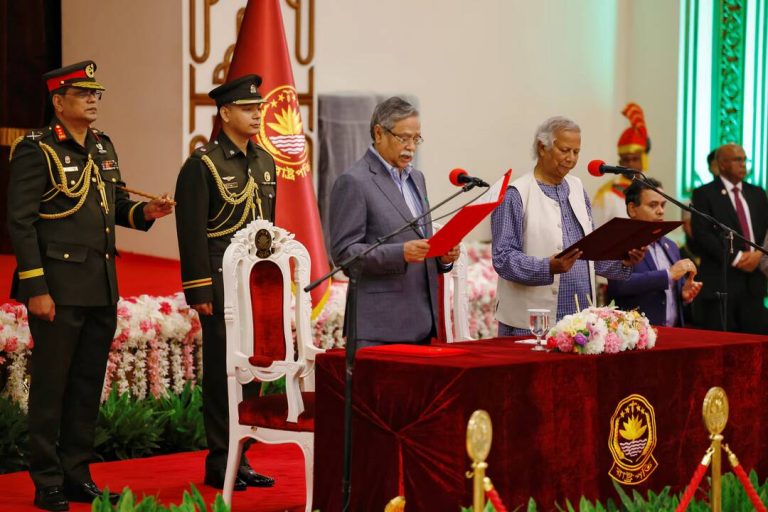
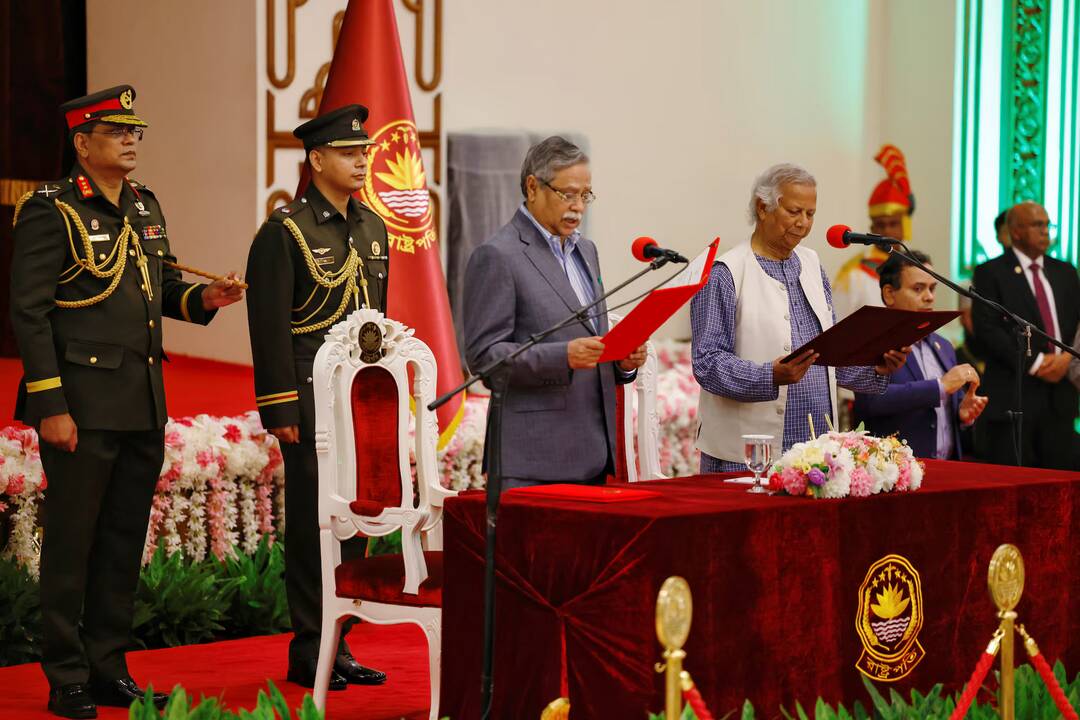
In a shocking revelation, Bangladeshi President Mohammed Shahabuddin has expressed his intention to step down from his post before completing his term. In an exclusive interview with Reuters, Shahabuddin stated that he plans to quit after the parliamentary election scheduled to take place on February 12. This unexpected move has sent ripples across the Bangladeshi political landscape, leaving many to wonder about the reasons behind the President’s decision.
According to Shahabuddin, the primary reason for his decision to step down is the humiliation he has faced at the hands of Mohammed Yunus, the interim chief of Bangladesh. The President revealed that Yunus has not met him in seven months, which has led to a significant deterioration in their relationship. This lack of communication and cooperation has apparently taken a toll on Shahabuddin, who feels that his authority and dignity have been undermined.
Another incident that seems to have contributed to Shahabuddin’s decision is the removal of his portraits from Bangladeshi embassies. The President felt humiliated by this move, which he perceives as a deliberate attempt to undermine his position and authority. The removal of his portraits is seen as a significant snub, as it is a symbolic representation of the President’s presence and influence in the country’s diplomatic missions abroad.
The parliamentary election scheduled to take place on February 12 is likely to be a crucial factor in Shahabuddin’s decision to step down. The President may be anticipating a change in the political landscape of the country, which could potentially lead to a new government being formed. By stepping down before the election, Shahabuddin may be attempting to avoid any potential complications or conflicts that could arise during the transition period.
The news of Shahabuddin’s intention to step down has sparked a mix of reactions across Bangladesh. While some have expressed surprise and concern about the potential implications of the President’s decision, others have welcomed the move, seeing it as an opportunity for the country to move forward with a new leadership.
The relationship between Shahabuddin and Yunus has been a subject of speculation in recent months. The two leaders have been known to have differences, which have been exacerbated by the country’s complex political landscape. The fact that Yunus has not met Shahabuddin in seven months suggests a significant breakdown in communication and cooperation between the two leaders.
The implications of Shahabuddin’s decision to step down are far-reaching and could have significant consequences for the country’s political stability. The President’s resignation could potentially lead to a power vacuum, which could be exploited by various political factions and interest groups. The country’s opposition parties may see this as an opportunity to gain an advantage, while the ruling party may attempt to consolidate its power and influence.
In conclusion, the news of Bangladeshi President Mohammed Shahabuddin’s intention to step down before completing his term has sent shockwaves across the country’s political landscape. The President’s decision, driven by his feelings of humiliation and frustration, has the potential to lead to significant changes in the country’s political landscape. As the parliamentary election approaches, the country waits with bated breath to see how the situation unfolds.
The developments in Bangladesh are a reminder of the complex and often unpredictable nature of politics in the region. The country’s history has been marked by periods of instability and turmoil, and the current situation is no exception. As the country navigates this challenging period, it is essential to ensure that the democratic process is respected, and the rule of law is upheld.
The international community will be watching the situation in Bangladesh with keen interest, as the country’s stability and security have significant implications for the region. The United States, China, and other major powers have significant interests in Bangladesh, and any instability in the country could have far-reaching consequences.
As the situation continues to unfold, it is essential to stay informed and up-to-date with the latest developments. The news of Shahabuddin’s intention to step down is a significant development, and its implications will be closely watched by politicians, analysts, and observers around the world.
About the Author