‘Humiliated’ by Yunus, B’desh Prez wants to step down before completing term
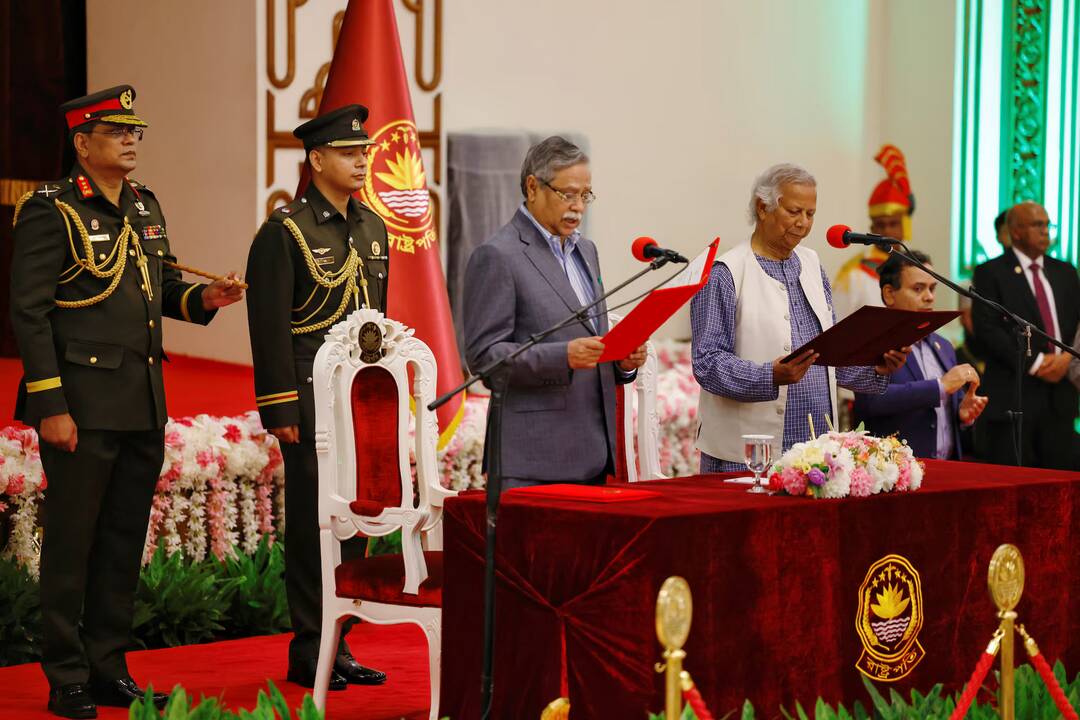
In a shocking turn of events, Bangladeshi President Mohammed Shahabuddin has expressed his intention to step down from his post before completing his term. This revelation comes after a series of events that have left the President feeling “humiliated” and disconnected from the country’s interim government. In an exclusive interview with Reuters, Shahabuddin revealed that he plans to quit his position after the parliamentary election scheduled to take place on February 12.
The President’s decision to resign is largely attributed to the strained relationship between him and Bangladesh’s interim chief, Mohammed Yunus. According to Shahabuddin, Yunus has not met with him in over seven months, which has led to a significant breakdown in communication and cooperation between the two leaders. This lack of engagement has not only affected the President’s ability to perform his duties but has also resulted in a series of embarrassing incidents that have further eroded his authority.
One such incident that has contributed to Shahabuddin’s sense of humiliation is the removal of his portraits from Bangladeshi embassies. The President revealed that he was not consulted before the portraits were taken down, and this move was seen as a direct challenge to his authority. This incident, coupled with the lack of communication from Yunus, has led Shahabuddin to feel that his position has become untenable.
The decision to step down is a significant development in Bangladeshi politics, as it comes at a time when the country is preparing for a crucial parliamentary election. The election, scheduled to take place on February 12, is expected to be a closely contested affair, with several major parties vying for power. Shahabuddin’s resignation would add a new layer of complexity to the electoral landscape, as it would create a power vacuum at the top of the government.
The relationship between Shahabuddin and Yunus has been strained for some time, with the two leaders having fundamentally different views on the direction of the country. While Shahabuddin has sought to maintain a sense of continuity and stability, Yunus has been pushing for more radical reforms. This divergence in opinion has led to a series of public disagreements, which have ultimately contributed to the breakdown in their relationship.
The implications of Shahabuddin’s resignation are far-reaching and could have significant consequences for the future of Bangladeshi politics. The country is already facing a series of challenges, including economic instability, corruption, and social unrest. The addition of a power vacuum at the top of the government could exacerbate these problems, leading to a period of uncertainty and instability.
In the short term, the focus will be on the parliamentary election, which will determine the composition of the new government. The election will be a crucial test for the major parties, as they seek to capitalize on the current situation and gain power. However, the longer-term implications of Shahabuddin’s resignation will depend on how the country responds to the power vacuum and how the new government addresses the challenges facing the nation.
In conclusion, the decision by Bangladeshi President Mohammed Shahabuddin to step down before completing his term is a significant development in the country’s politics. The strained relationship between Shahabuddin and interim chief Mohammed Yunus has created a sense of uncertainty and instability, which has ultimately led to the President’s decision to resign. As the country prepares for a crucial parliamentary election, the focus will be on how the new government addresses the challenges facing the nation and how it responds to the power vacuum created by Shahabuddin’s resignation.
About the Author