‘Humiliated’ by Yunus, B’desh Prez wants to step down before completing term
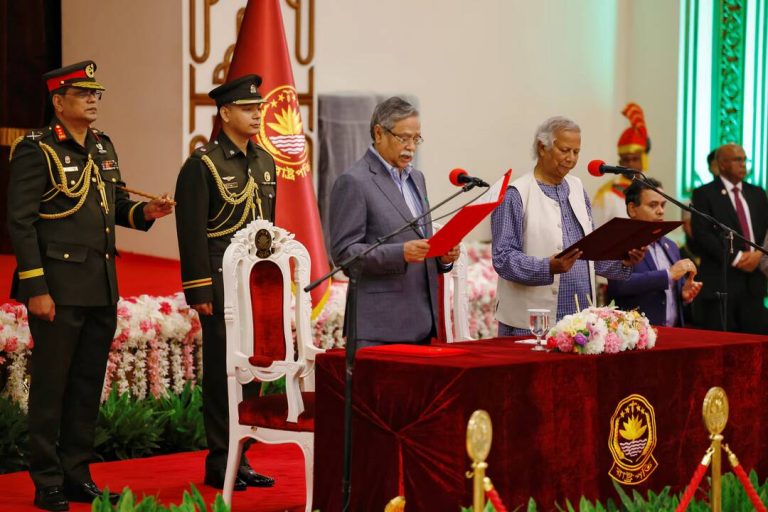
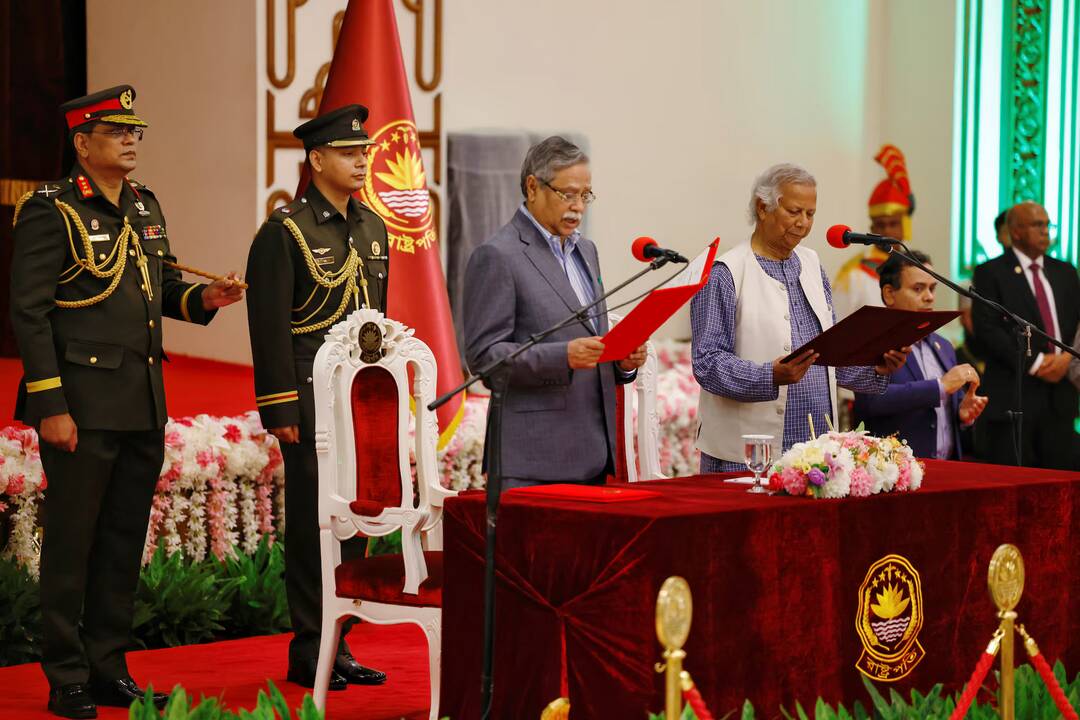
In a shocking revelation, Bangladeshi President Mohammed Shahabuddin has expressed his desire to resign from his position before completing his term. The President’s decision comes after a series of events that have left him feeling humiliated, particularly by the actions of Bangladesh’s interim chief, Mohammed Yunus. In an exclusive interview with Reuters, Shahabuddin stated that he intends to step down from his post after the parliamentary election scheduled to take place on February 12.
The President’s decision to resign prematurely is a significant development in Bangladeshi politics, and it is likely to have far-reaching implications for the country. Shahabuddin’s term was supposed to last for a certain period, but it appears that he has been forced to reconsider his position due to the circumstances. The fact that he has chosen to reveal his intentions publicly suggests that he is no longer willing to continue in a role that has become untenable for him.
One of the main reasons behind Shahabuddin’s decision to resign is the removal of his portraits from Bangladeshi embassies. The President felt humiliated by this action, which he perceives as a deliberate attempt to undermine his authority. The removal of a head of state’s portrait from diplomatic missions is a significant gesture, and it is likely to be seen as a sign of disrespect towards the President. Shahabuddin’s feelings of humiliation are understandable, given the symbolic importance of a head of state’s portrait in representing the country’s sovereignty and dignity.
Another factor that has contributed to Shahabuddin’s decision to resign is the lack of communication from Bangladesh’s interim chief, Mohammed Yunus. The President revealed that Yunus has not met with him in seven months, which suggests a significant breakdown in communication between the two leaders. The absence of dialogue between the President and the interim chief is likely to have created an atmosphere of mistrust and tension, making it difficult for Shahabuddin to perform his duties effectively.
The parliamentary election scheduled to take place on February 12 is likely to be a crucial moment in Bangladeshi politics. The election will determine the composition of the country’s parliament and will have a significant impact on the country’s future. Shahabuddin’s decision to resign after the election suggests that he is willing to allow the newly elected parliament to choose his successor. This approach is likely to be seen as a democratic gesture, as it will enable the people of Bangladesh to have a say in who leads their country.
The implications of Shahabuddin’s resignation are far-reaching, and they are likely to be felt for a long time. The President’s decision to step down prematurely will create a power vacuum, which will need to be filled by a new leader. The process of selecting a new President will be crucial, as it will determine the direction of the country’s politics. The new President will need to address the challenges facing Bangladesh, including economic development, social justice, and national security.
In conclusion, the decision of Bangladeshi President Mohammed Shahabuddin to resign before completing his term is a significant development in the country’s politics. The President’s feelings of humiliation, particularly due to the actions of interim chief Mohammed Yunus, have contributed to his decision to step down. The removal of his portraits from Bangladeshi embassies and the lack of communication from Yunus have created an untenable situation for Shahabuddin. The parliamentary election on February 12 will be a crucial moment in Bangladeshi politics, and it will determine the course of the country’s future. As the country prepares for a new leadership, it is essential to ensure that the transition is smooth and democratic.
About the Author