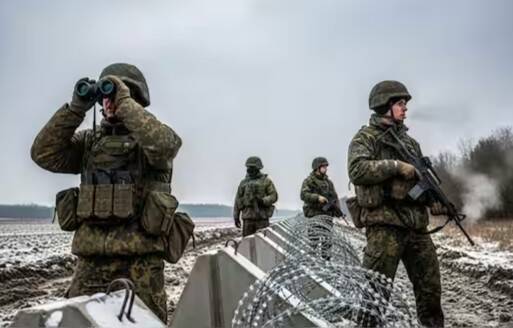
Germany to send troops to Poland border amid threats from Russia
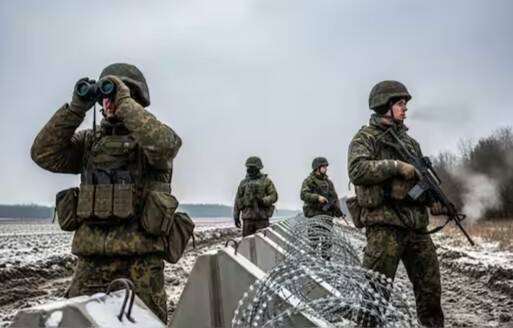
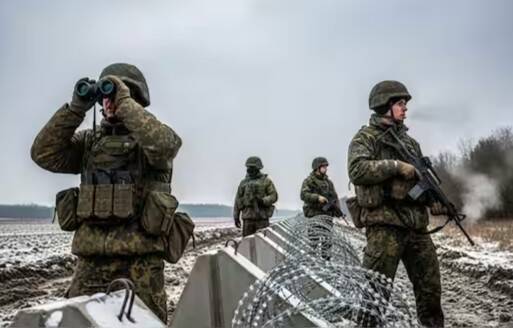
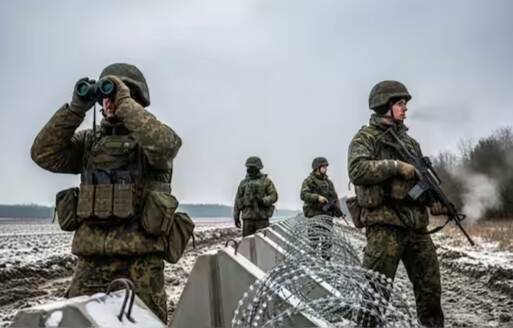
In a significant move to bolster the security of its eastern European ally, Germany has announced that it will be deploying a contingent of troops to Poland’s border. The decision comes amidst rising concerns over potential threats from Russia, which has been engaging in aggressive military posturing in the region. The deployed troops will be tasked with engineering work, according to Berlin’s defence ministry, with a focus on strengthening Poland’s defensive capabilities.
The duties of the German troops will involve building defensive structures, excavating trenches, installing barbed wire, and setting up anti-tank obstacles. This move is seen as a demonstration of Germany’s commitment to supporting its NATO ally, Poland, in the face of growing tensions with Russia. The deployment of German troops to Poland’s border is a significant development, as it marks a tangible escalation of Germany’s involvement in regional security efforts.
The decision to send troops to Poland’s border is a response to the changing security landscape in eastern Europe. Russia’s actions in Ukraine, particularly its annexation of Crimea in 2014, have raised concerns about the country’s intentions in the region. The ongoing conflict in eastern Ukraine has also led to a significant increase in military activity along the Russia-Ukraine border, further heightening tensions.
Poland, which shares a border with Russia’s Kaliningrad exclave, has been seeking to strengthen its defensive capabilities in recent years. The country has been investing heavily in its military, with a focus on modernizing its equipment and infrastructure. The deployment of German troops to Poland’s border is seen as a welcome addition to these efforts, providing an extra layer of security and deterrence against potential Russian aggression.
The engineering work to be carried out by the German troops will be focused on enhancing Poland’s border defenses. The construction of defensive structures, such as bunkers and trenches, will provide Polish troops with improved protection and firing positions. The installation of barbed wire and anti-tank obstacles will also serve to slow down or repel any potential Russian advance.
The deployment of German troops to Poland’s border is not only a demonstration of Germany’s commitment to regional security but also a testament to the strength of the NATO alliance. The North Atlantic Treaty Organization (NATO) has been working to bolster its presence in eastern Europe, with several member countries contributing troops and equipment to the region. The deployment of German troops to Poland’s border is a significant contribution to these efforts, highlighting the importance of collective defense and cooperation within the alliance.
The move has been welcomed by Polish officials, who have been seeking to strengthen their country’s defensive capabilities. The Polish government has been working to modernize its military, with a focus on improving its air and land defense systems. The deployment of German troops to Poland’s border is seen as a significant addition to these efforts, providing an extra layer of security and deterrence against potential Russian aggression.
The decision to send troops to Poland’s border has also been seen as a response to Russia’s ongoing military modernization efforts. Russia has been investing heavily in its military, with a focus on developing new technologies and capabilities. The country’s military has been engaged in a series of exercises and deployments in recent years, including a large-scale exercise in the Kaliningrad exclave last year.
The deployment of German troops to Poland’s border is a significant development in the regional security landscape. It marks a tangible escalation of Germany’s involvement in regional security efforts and demonstrates the country’s commitment to supporting its NATO ally, Poland. The move is also seen as a response to the changing security landscape in eastern Europe, particularly the growing tensions with Russia.
In conclusion, the deployment of German troops to Poland’s border is a significant move to bolster the security of Germany’s eastern European ally. The engineering work to be carried out by the German troops will focus on building defensive structures, excavating trenches, installing barbed wire, and setting up anti-tank obstacles. This move is seen as a demonstration of Germany’s commitment to regional security and a testament to the strength of the NATO alliance.
Read more at: https://www.firstpost.com/world/germany-to-send-troops-to-fortify-polands-border-amid-russia-concerns-ws-e-13959481.html/amp
About the Author