Germany to send troops to Poland border amid threats from Russia
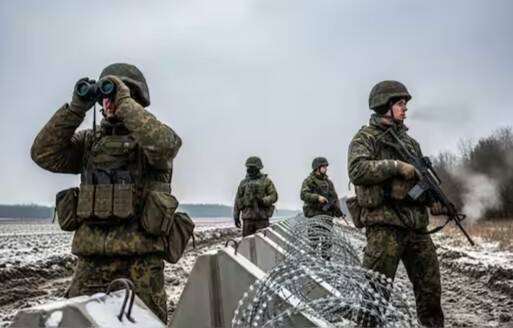
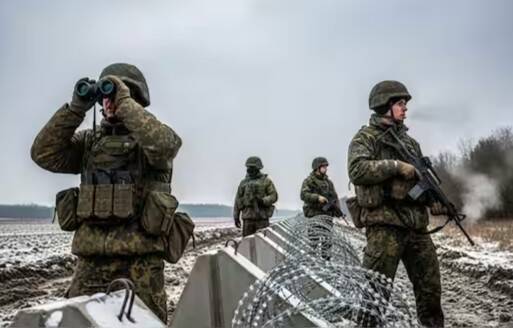
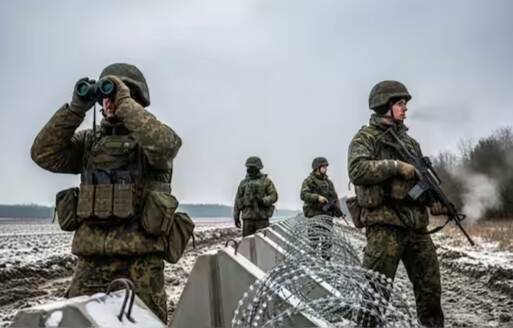
In a significant move to bolster the security of Poland’s eastern frontier, Germany has announced that it will be deploying a contingent of troops to the region. The decision comes amid rising concerns over potential threats from Russia, which has been engaging in aggressive military posturing in recent months. The deployed troops will be tasked with engineering work, focusing on building defensive structures to enhance the security of Poland’s border.
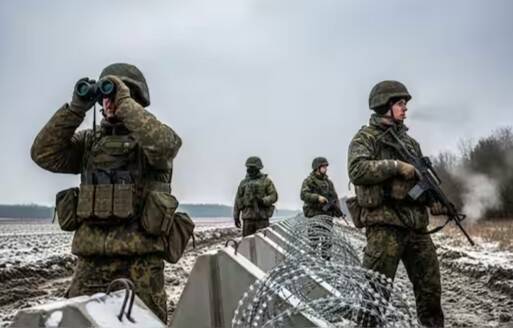
According to Berlin’s defence ministry, the troops will be responsible for a range of duties, including excavating trenches, installing barbed wire, and setting up anti-tank obstacles. These defensive measures are aimed at deterring any potential incursions by Russian forces and providing an additional layer of security for Poland’s border. The move is seen as a demonstration of Germany’s commitment to supporting its NATO ally and contributing to regional stability.
The decision to deploy troops to Poland is a response to the escalating tensions between Russia and the West, particularly in the wake of Russia’s actions in Ukraine. The conflict in Ukraine has sparked concerns about the potential for Russian aggression in other parts of Eastern Europe, and Poland has been at the forefront of efforts to strengthen regional security. By sending troops to Poland, Germany is reinforcing its commitment to the country’s security and contributing to the broader effort to deter Russian aggression.
The engineering work that the German troops will be undertaking is a critical component of the effort to fortify Poland’s border. The construction of defensive structures, such as trenches and barbed wire, will help to prevent any potential incursions by Russian forces. The installation of anti-tank obstacles will also provide an additional layer of protection against armored vehicles, which could be used by Russian forces in the event of an attack.
The deployment of German troops to Poland is also significant because it marks a departure from Germany’s traditional approach to military engagement. In the past, Germany has been hesitant to engage in military operations outside of its borders, preferring to focus on diplomacy and economic cooperation. However, the changing security landscape in Europe has forced Germany to reevaluate its approach, and the country is now taking a more proactive role in regional security.
The move is also seen as a demonstration of Germany’s commitment to its NATO obligations. As a member of the alliance, Germany is required to contribute to collective defense efforts, and the deployment of troops to Poland is a tangible demonstration of this commitment. The move is likely to be welcomed by other NATO members, who have been calling for greater burden-sharing and cooperation in the face of Russian aggression.
Despite the significance of the move, it is worth noting that the deployment of German troops to Poland is not without controversy. Some critics have argued that the move is an escalation of tensions with Russia, and that it could potentially provoke a response from Moscow. Others have raised concerns about the potential for mission creep, and the possibility that the deployment could lead to a larger and more sustained military engagement.
However, proponents of the move argue that it is a necessary response to the changing security landscape in Europe. They point out that Russia’s actions in Ukraine have created a new reality, and that the West must respond accordingly. By deploying troops to Poland, Germany is taking a proactive role in regional security, and contributing to the effort to deter Russian aggression.
In conclusion, the decision by Germany to send troops to Poland’s border amid threats from Russia is a significant development in the ongoing saga of European security. The move marks a departure from Germany’s traditional approach to military engagement, and demonstrates the country’s commitment to its NATO obligations. While the deployment is not without controversy, it is a necessary response to the changing security landscape in Europe, and a demonstration of Germany’s commitment to regional stability.
As the situation continues to unfold, it will be important to monitor the response from Russia, as well as the reactions of other NATO members. The deployment of German troops to Poland is a significant development, and it is likely to have far-reaching implications for regional security.
For more information, please visit: https://www.firstpost.com/world/germany-to-send-troops-to-fortify-polands-border-amid-russia-concerns-ws-e-13959481.html/amp
About the Author