Germany to send troops to Poland border amid threats from Russia
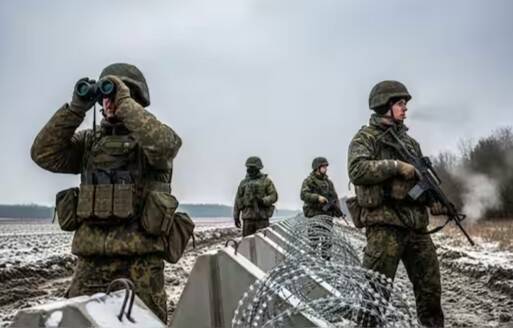
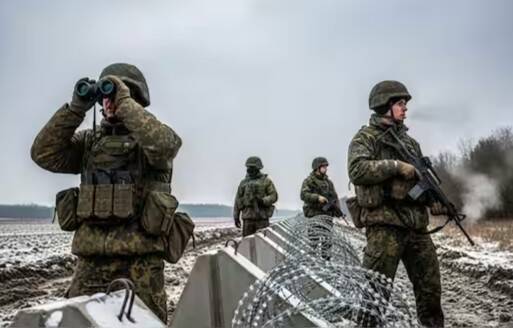
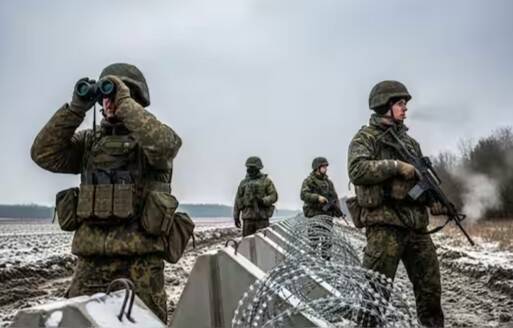
In a significant move to bolster the security of its eastern European ally, Germany announced that it would be sending a contingent of troops to Poland to assist the country’s eastern frontier amid rising concerns over potential threats from Russia. The deployed troops would be tasked with engineering work, said Berlin’s defence ministry. Their duties would involve building defensive structures, excavating trenches, installing barbed wire and anti-tank obstacles.
This decision comes as tensions between Russia and the West continue to escalate, with Moscow’s aggressive actions in Ukraine and other parts of Eastern Europe raising alarm bells in the international community. The deployment of German troops to Poland’s border is seen as a strategic move to strengthen the country’s defenses and demonstrate Germany’s commitment to its NATO ally.
The engineering work to be carried out by the German troops is expected to play a crucial role in enhancing the security of Poland’s eastern border. The construction of defensive structures, such as bunkers and trenches, will provide Polish forces with improved protection against potential attacks. The installation of barbed wire and anti-tank obstacles will also help to deter any attempted incursions by Russian forces.
The decision to deploy troops to Poland is also seen as a significant shift in Germany’s military policy. For decades, Germany has been hesitant to engage in military interventions, preferring to focus on diplomatic and economic efforts to resolve conflicts. However, the growing threat posed by Russia has forced Berlin to reevaluate its stance and take a more proactive approach to defending its allies.
The move has been welcomed by Polish authorities, who have been seeking greater support from their NATO allies in the face of Russian aggression. Poland has been one of the most vocal critics of Russia’s actions in Ukraine and has been seeking to strengthen its military capabilities to counter the perceived threat from Moscow.
The deployment of German troops to Poland’s border is also likely to be seen as a message to Russia that the West is committed to defending its allies and will not tolerate any further aggression. The move is part of a broader effort by NATO to bolster its military presence in Eastern Europe, with several other member states also deploying troops to the region.
The situation in Ukraine continues to be a major source of concern, with Russian-backed separatists and Ukrainian forces engaged in a conflict that has claimed thousands of lives. The international community has been working to negotiate a peaceful resolution to the conflict, but progress has been slow.
In the meantime, the deployment of German troops to Poland’s border serves as a reminder of the ongoing tensions between Russia and the West. The move is a significant development in the region and highlights the need for continued vigilance and cooperation among NATO allies to counter the threat posed by Russia.
As the situation continues to unfold, it is likely that we will see further developments in the region. The deployment of German troops to Poland’s border is just one part of a broader effort to strengthen the security of Eastern Europe and deter Russian aggression. It remains to be seen how Russia will respond to this move, but one thing is clear: the international community is committed to defending its allies and upholding the principles of sovereignty and territorial integrity.
In conclusion, the decision by Germany to send troops to Poland’s border is a significant development in the region and highlights the growing concerns over potential threats from Russia. The deployment of German troops is expected to play a crucial role in enhancing the security of Poland’s eastern border and demonstrates Germany’s commitment to its NATO ally. As the situation continues to unfold, it is likely that we will see further developments in the region, and the international community will be watching closely to see how Russia responds to this move.
About the Author