Germany to send troops to Poland border amid threats from Russia
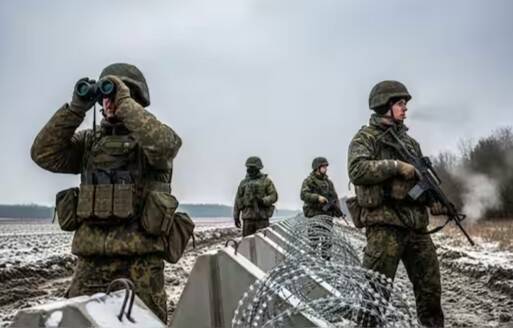
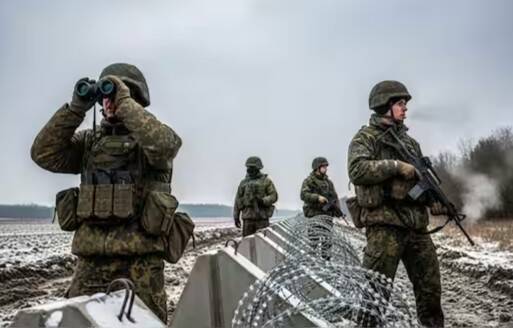
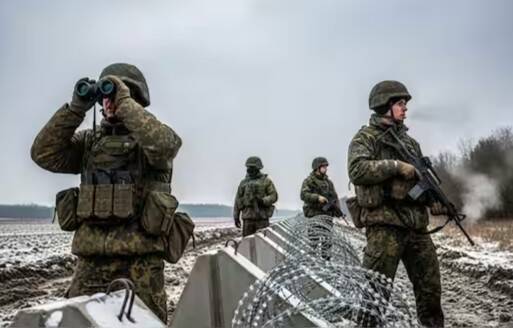
In a significant move to bolster the security of its eastern European ally, Germany has announced that it will be sending a contingent of troops to Poland to assist the country’s eastern frontier. The deployment comes amid rising concerns over potential threats from Russia, which has been engaging in aggressive military posturing and rhetoric in recent times. The German troops will be tasked with engineering work, focusing on building defensive structures and enhancing the security infrastructure along the Poland-Russia border.
According to Berlin’s defence ministry, the deployed troops will be responsible for a range of engineering tasks, including excavating trenches, installing barbed wire, and setting up anti-tank obstacles. These defensive measures are aimed at strengthening the border’s security and deterring any potential incursions by Russian forces. The move is seen as a demonstration of Germany’s commitment to supporting its NATO ally, Poland, in the face of growing tensions with Russia.
The decision to send troops to Poland is a significant development in the ongoing saga of Russia’s aggressive behavior in eastern Europe. In recent years, Russia has been accused of engaging in a range of provocative activities, including the annexation of Crimea, the support of separatist militias in Ukraine, and the deployment of troops and military equipment to the borders of NATO member states. These actions have raised concerns among NATO allies, who have been working to strengthen their collective defense capabilities and deter Russian aggression.
The deployment of German troops to Poland is part of a broader effort by NATO to enhance its military presence in eastern Europe. In recent years, the alliance has been working to strengthen its defense capabilities in the region, including the deployment of troops and equipment to countries such as Poland, Estonia, and Latvia. These efforts are aimed at deterring Russian aggression and reassuring NATO allies of the alliance’s commitment to their security.
The engineering work to be carried out by the German troops will be focused on building defensive structures and enhancing the security infrastructure along the Poland-Russia border. This will include the construction of trenches, the installation of barbed wire, and the deployment of anti-tank obstacles. These measures will be designed to slow down or prevent any potential incursions by Russian forces, giving Polish and NATO troops time to respond and defend the border.
The deployment of German troops to Poland is also significant because it marks a shift in Germany’s military posture. In recent years, Germany has been criticized for its lack of military spending and its reluctance to engage in military interventions. However, the decision to send troops to Poland suggests that Germany is now taking a more proactive approach to defense and security, recognizing the need to contribute to the collective defense of NATO allies.
The move has been welcomed by Polish officials, who have been seeking greater support from their NATO allies in the face of Russian aggression. Poland has been one of the most vocal critics of Russian behavior in eastern Europe, and has been seeking to strengthen its military capabilities and enhance its security infrastructure. The deployment of German troops will provide a significant boost to Poland’s security, and will help to deter Russian aggression in the region.
In conclusion, the decision by Germany to send troops to Poland is a significant development in the ongoing efforts to strengthen security in eastern Europe. The deployment of German troops will provide a significant boost to Poland’s security, and will help to deter Russian aggression in the region. The engineering work to be carried out by the troops will be focused on building defensive structures and enhancing the security infrastructure along the Poland-Russia border. As tensions between Russia and NATO continue to escalate, the deployment of German troops to Poland is a clear demonstration of Germany’s commitment to supporting its NATO ally and contributing to the collective defense of the alliance.
The move is also a significant shift in Germany’s military posture, marking a more proactive approach to defense and security. As the security situation in eastern Europe continues to evolve, it is likely that we will see further deployments of troops and equipment to the region. The decision by Germany to send troops to Poland is an important step in the right direction, and demonstrates the country’s commitment to supporting its NATO allies and contributing to the collective defense of the alliance.
The situation in eastern Europe remains complex and fluid, with ongoing tensions between Russia and NATO allies. However, the deployment of German troops to Poland is a significant development that demonstrates the commitment of NATO allies to supporting each other in the face of Russian aggression. As the situation continues to evolve, it is likely that we will see further deployments of troops and equipment to the region, as NATO allies work to strengthen their collective defense capabilities and deter Russian aggression.
About the Author