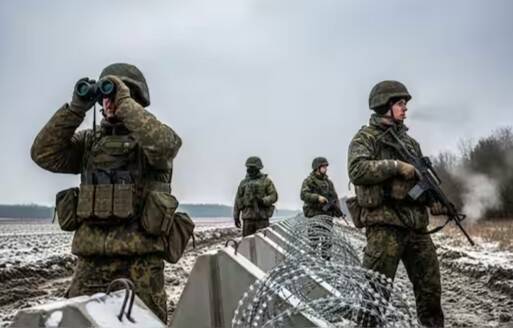
Germany to send troops to Poland border amid threats from Russia
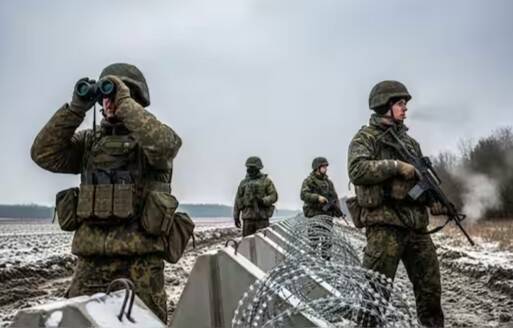
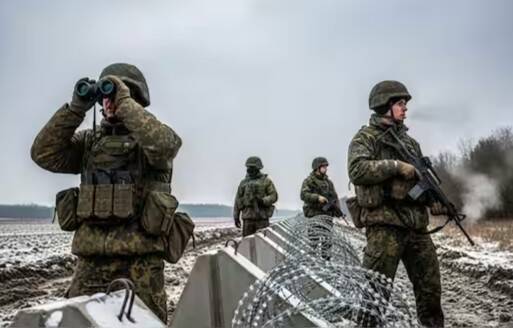
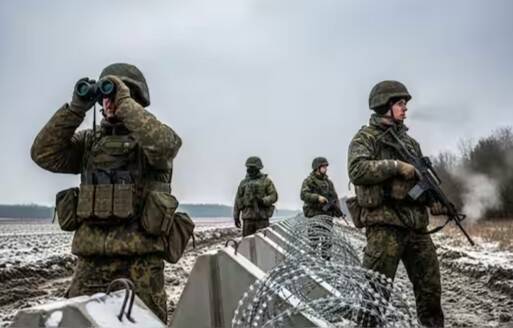
In a significant development, Germany announced that it would be sending a contingent of troops to Poland to assist the country’s eastern frontier amid rising concerns over potential threats from Russia. The deployed troops would be tasked with engineering work, said Berlin’s defence ministry. Their duties would involve building defensive structures, excavating trenches, installing barbed wire and anti-tank obstacles. This move is seen as a strategic effort to bolster Poland’s border security and deter any potential aggression from Russia.
The decision to send troops to Poland is a clear indication of Germany’s commitment to supporting its eastern European allies in the face of growing tensions with Russia. The move is also a testament to the strong bilateral relations between Germany and Poland, which have been strengthened in recent years through various diplomatic and military cooperation initiatives.
The engineering work to be undertaken by the German troops is expected to play a crucial role in enhancing Poland’s border security. The construction of defensive structures, trenches, and anti-tank obstacles will help to prevent any potential incursions by Russian forces. The installation of barbed wire will also serve as a deterrent to any would-be aggressors, making it more difficult for them to cross the border.
The deployment of German troops to Poland’s eastern frontier is also seen as a response to Russia’s increasing military presence in the region. In recent years, Russia has been accused of engaging in aggressive military posturing, including the deployment of troops and military equipment to its western borders. This has raised concerns among European leaders, who fear that Russia may be planning to launch a military invasion of Ukraine or other eastern European countries.
The situation in Ukraine has been particularly volatile, with ongoing conflict between Ukrainian government forces and Russian-backed separatists. The conflict has resulted in thousands of deaths and displaced millions of people, and has raised concerns about the potential for further escalation. Germany’s decision to send troops to Poland is seen as a move to reassure its allies in the region and to demonstrate its commitment to maintaining peace and stability.
The deployment of German troops to Poland is also expected to have significant implications for the broader European security landscape. The move is seen as a demonstration of Germany’s willingness to take a more active role in European security affairs, and to work closely with its allies to address common security challenges. This is likely to be welcomed by other European countries, who have been calling for greater German engagement on security issues.
In addition to the deployment of troops, Germany has also been working to strengthen its military cooperation with Poland and other eastern European countries. This includes the establishment of joint military training programs, the sharing of intelligence, and the development of common military doctrine. These efforts are seen as essential to building a more robust and effective European security architecture, and to deterring potential aggression from Russia.
The decision to send troops to Poland has also been welcomed by the Polish government, which has been seeking greater support from its European allies in the face of rising tensions with Russia. The Polish government has been working to strengthen its military capabilities, including the modernization of its armed forces and the development of new military technologies. The deployment of German troops is seen as a significant boost to these efforts, and is expected to play a key role in enhancing Poland’s overall military posture.
In conclusion, Germany’s decision to send troops to Poland’s eastern frontier is a significant development in the ongoing efforts to address the growing tensions with Russia. The deployment of troops is seen as a demonstration of Germany’s commitment to supporting its eastern European allies, and to maintaining peace and stability in the region. The engineering work to be undertaken by the German troops is expected to play a crucial role in enhancing Poland’s border security, and the move is seen as a significant step towards building a more robust and effective European security architecture.
As the situation in the region continues to evolve, it is likely that we will see further developments in the coming weeks and months. The deployment of German troops to Poland is just one part of a broader effort to address the challenges posed by Russia’s aggressive military posturing. It remains to be seen how Russia will respond to this move, but one thing is clear: the decision to send troops to Poland is a significant escalation of Germany’s involvement in the region, and is a clear demonstration of its commitment to supporting its allies and maintaining peace and stability.
About the Author