Germany to send troops to Poland border amid threats from Russia
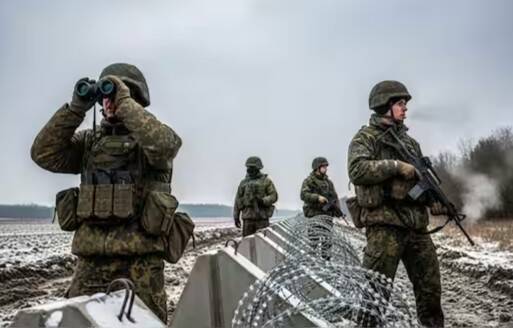
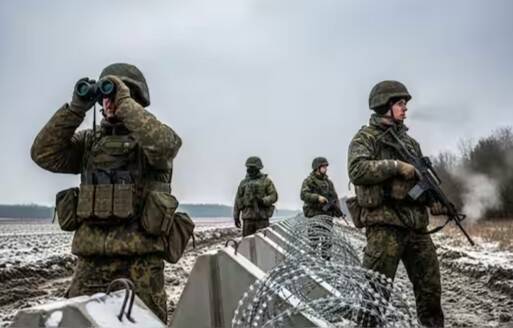
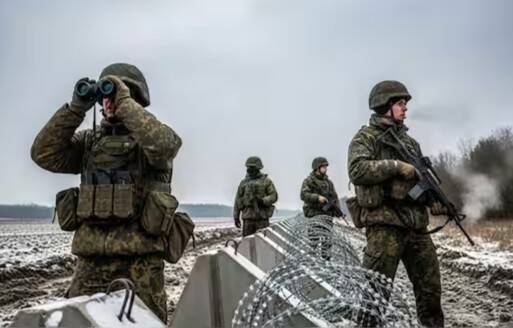
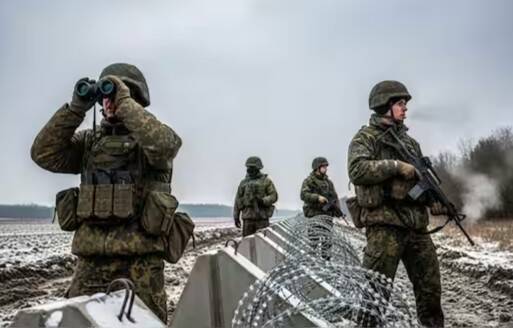
In a move aimed at bolstering the security of its eastern European ally, Germany has announced that it will be sending a contingent of troops to Poland to assist the country in fortifying its border. The decision comes amid rising concerns over potential threats from Russia, which has been engaging in aggressive military posturing in the region. The deployed troops will be tasked with engineering work, including building defensive structures, excavating trenches, installing barbed wire, and anti-tank obstacles, according to Berlin’s defence ministry.
The move is seen as a significant escalation of Germany’s involvement in regional security efforts, and marks a departure from the country’s traditional reluctance to engage in military deployments abroad. However, with the ongoing conflict between Russia and Ukraine showing no signs of abating, and tensions between Russia and NATO continuing to simmer, Germany has clearly decided that it can no longer afford to sit on the sidelines.
The decision to send troops to Poland is likely to be seen as a welcome development by the Polish government, which has been seeking to bolster its defences in the face of rising Russian aggression. Poland has been a vocal critic of Russia’s actions in Ukraine, and has been seeking to strengthen its military ties with NATO and other European countries in response.
The engineering work that the German troops will be undertaking is likely to be focused on strengthening Poland’s border defences, particularly in the east where the country shares a border with Russia’s Kaliningrad exclave. The region has been a source of tension in recent years, with Russia having deployed significant military assets to the area, including nuclear-capable missiles and advanced air defence systems.
The German troops will be working to build defensive structures, such as bunkers and trenches, which will be designed to protect Polish troops and civilians in the event of a conflict. They will also be installing barbed wire and anti-tank obstacles, which will be aimed at slowing down any potential Russian advance.
The deployment of German troops to Poland is also likely to be seen as a significant symbolic gesture, demonstrating Germany’s commitment to the security and defence of its eastern European allies. The move is likely to be welcomed by other NATO countries, which have been seeking to strengthen their collective defence efforts in response to Russian aggression.
However, the decision to send troops to Poland is not without its risks. Russia has already responded to the announcement by warning that it will take “retaliatory measures” in response to the deployment, which it claims is a “provocation” aimed at undermining regional stability. The Russian foreign ministry has also accused Germany of “fueling tensions” in the region, and has warned that the deployment could lead to a further escalation of the conflict.
Despite these risks, Germany has clearly decided that the potential benefits of deploying troops to Poland outweigh the potential costs. The country’s defence ministry has stated that the deployment is aimed at “strengthening the alliance” and “demonstrating our commitment to the security and defence of our eastern European allies”.
The deployment of German troops to Poland is also likely to have significant implications for the broader European security landscape. The move is likely to be seen as a challenge to Russia’s aggressive military posturing in the region, and may lead to a further escalation of tensions between Russia and NATO.
However, it may also lead to a strengthening of European defence efforts, as other countries seek to follow Germany’s lead and bolster their own military deployments in the region. The move may also lead to a renewed focus on diplomatic efforts to resolve the conflict in Ukraine, as European countries seek to find a peaceful solution to the crisis.
In conclusion, the decision by Germany to send troops to Poland’s border amid threats from Russia is a significant development in the ongoing conflict in eastern Europe. The deployment of German troops is aimed at strengthening Poland’s border defences and demonstrating Germany’s commitment to the security and defence of its eastern European allies. While the move is not without its risks, it is likely to be seen as a welcome development by the Polish government and other NATO countries, and may lead to a further escalation of tensions between Russia and NATO.
For more information, visit: https://www.firstpost.com/world/germany-to-send-troops-to-fortify-polands-border-amid-russia-concerns-ws-e-13959481.html/amp
About the Author