Germany to send troops to Poland border amid threats from Russia
In a significant move to bolster the security of its eastern European allies, Germany has announced that it would be sending a contingent of troops to Poland to assist the country’s eastern frontier amid rising concerns over potential threats from Russia. The decision comes at a time when tensions between Russia and Western nations have escalated, with Moscow’s aggressive posturing and military buildup near the Ukrainian border sparking fears of a potential invasion.
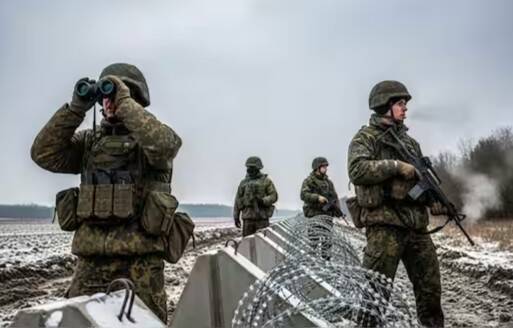
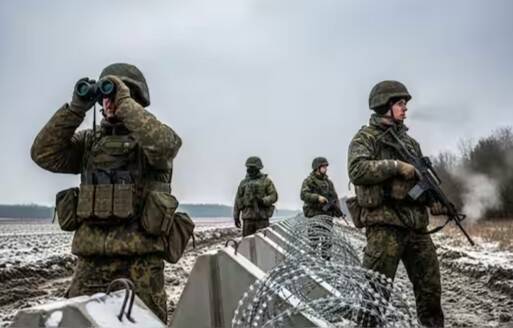
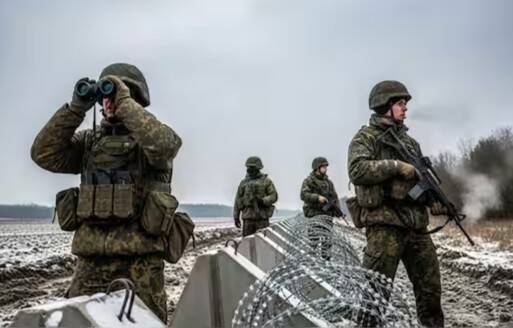
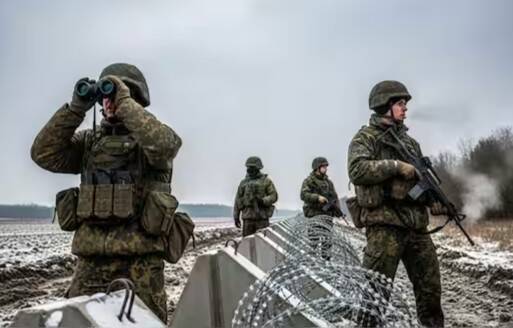
The deployed troops would be tasked with engineering work, said Berlin’s defence ministry. Their duties would involve building defensive structures, excavating trenches, installing barbed wire and anti-tank obstacles. The move is seen as a strategic effort to strengthen Poland’s border defenses and deter any potential Russian aggression. The German government has emphasized that the deployment is a precautionary measure, aimed at enhancing the security and stability of the region.
The decision to send troops to Poland is a significant development in the ongoing saga of tensions between Russia and the West. In recent months, Russia has been accused of massing troops near the Ukrainian border, sparking fears of a potential invasion. The move has been widely condemned by Western nations, with the United States, the United Kingdom, and other European countries warning Russia of severe consequences if it were to launch a military attack on Ukraine.
The German government’s decision to send troops to Poland is likely to be seen as a demonstration of its commitment to the security and stability of the region. Germany has long been a key player in European security affairs, and its decision to deploy troops to Poland is a significant gesture of solidarity with its eastern European allies. The move is also likely to be seen as a response to Russia’s aggressive posturing, and a warning to Moscow that any further escalation of tensions would be met with a firm response from the West.
The deployment of German troops to Poland is also significant in the context of NATO’s efforts to bolster the security of its eastern European allies. In recent years, NATO has taken a number of steps to enhance the security of its eastern flank, including the deployment of troops and equipment to countries such as Poland, Lithuania, and Estonia. The German deployment is likely to be seen as a further manifestation of this effort, and a demonstration of NATO’s commitment to the security and stability of the region.
The engineering work that the German troops would be undertaking is likely to be critical in enhancing the defensive capabilities of Poland’s eastern border. The construction of defensive structures, such as trenches and barbed wire, would make it more difficult for Russian troops to launch a successful attack on Polish territory. The installation of anti-tank obstacles would also hinder the movement of Russian armor, giving Polish forces a significant advantage in the event of a conflict.
The deployment of German troops to Poland is also likely to have significant implications for the broader security dynamics of the region. The move is likely to be seen as a challenge to Russia’s aggressive posturing, and a warning to Moscow that any further escalation of tensions would be met with a firm response from the West. The deployment is also likely to be seen as a demonstration of the strength and resolve of the NATO alliance, and a reminder to Russia that any attempt to intimidate or coerce its eastern European neighbors would be met with a united and determined response from the West.
In conclusion, the decision by Germany to send troops to Poland’s eastern border is a significant development in the ongoing saga of tensions between Russia and the West. The deployment is a demonstration of Germany’s commitment to the security and stability of the region, and a warning to Russia that any further escalation of tensions would be met with a firm response from the West. The engineering work that the German troops would be undertaking is likely to be critical in enhancing the defensive capabilities of Poland’s eastern border, and the move is likely to have significant implications for the broader security dynamics of the region.
As the situation continues to unfold, it remains to be seen how Russia will respond to the deployment of German troops to Poland. However, one thing is clear: the West is united in its determination to defend the security and stability of the region, and any attempt by Russia to intimidate or coerce its eastern European neighbors would be met with a firm and united response.
About the Author