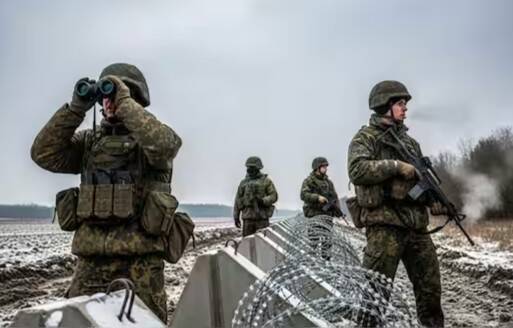
Germany to send troops to Poland border amid threats from Russia
In a significant move to bolster the security of its eastern European ally, Germany announced that it would be sending a contingent of troops to Poland to assist the country’s eastern frontier amid rising concerns over potential threats from Russia. The decision comes as tensions between Russia and the West continue to escalate, with many nations taking steps to reinforce their borders and strengthen their military presence in the region.
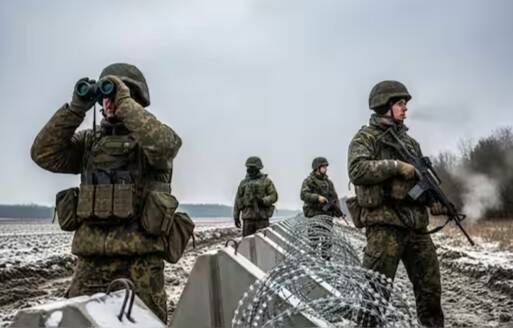
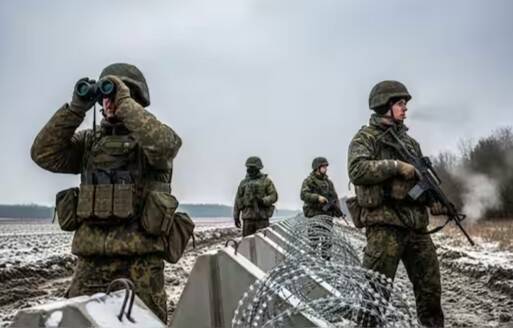
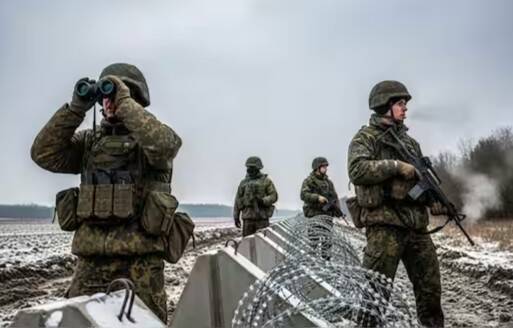
The deployed troops would be tasked with engineering work, said Berlin’s defence ministry. Their duties would involve building defensive structures, excavating trenches, installing barbed wire and anti-tank obstacles. This move is seen as a proactive measure to enhance the security of Poland’s border with Russia, particularly in the face of increasing aggression from Moscow.
The announcement by Germany’s defence ministry marks a significant shift in the country’s military strategy, as it seeks to play a more active role in regional security. The move is also a demonstration of Germany’s commitment to its NATO allies, particularly Poland, which has been at the forefront of efforts to counter Russian aggression in the region.
The decision to send troops to Poland is not unexpected, given the current geopolitical climate. Russia’s actions in Ukraine, particularly its annexation of Crimea in 2014, have raised concerns among European nations about the potential for further aggression. The ongoing conflict in eastern Ukraine has also led to a significant increase in military activity along the Russia-Ukraine border, further heightening tensions in the region.
The deployment of German troops to Poland is likely to be seen as a deterrent to Russia, signaling that the West is committed to defending its allies and will not tolerate any further aggression. The move is also a demonstration of the strong alliance between Germany and Poland, which has been strengthened in recent years through increased military cooperation and joint exercises.
The engineering work to be carried out by the German troops will focus on enhancing the defensive capabilities of Poland’s border with Russia. The construction of defensive structures, such as bunkers and watchtowers, will provide Polish forces with improved surveillance and response capabilities. The excavation of trenches and installation of barbed wire and anti-tank obstacles will also serve to hinder any potential Russian advance, giving Polish forces valuable time to respond to any attack.
The deployment of German troops to Poland is not the only measure being taken to reinforce the country’s security. NATO has also increased its military presence in the region, with troops and equipment being deployed to Poland and other eastern European nations. The alliance has also conducted a series of military exercises in the region, aimed at demonstrating its commitment to defending its allies and deterring Russian aggression.
The situation in eastern Europe remains volatile, with tensions between Russia and the West showing no signs of easing. The deployment of German troops to Poland is a significant development in the region, and one that is likely to be closely watched by Russia and other nations. As the situation continues to evolve, it is likely that we will see further measures being taken to reinforce the security of the region, including increased military cooperation and joint exercises between NATO allies.
In conclusion, the decision by Germany to send troops to Poland’s border with Russia is a significant move aimed at reinforcing the security of its eastern European ally. The deployment of troops for engineering work is a proactive measure to enhance the defensive capabilities of Poland’s border, and demonstrates Germany’s commitment to its NATO allies. As tensions in the region continue to escalate, it is likely that we will see further measures being taken to counter Russian aggression and reinforce the security of eastern Europe.
About the Author