Germany to send troops to Poland border amid threats from Russia
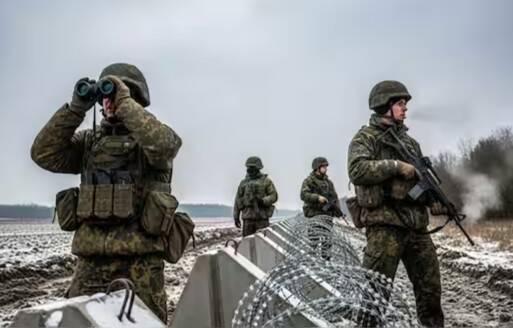
In a significant development, Germany announced that it would be sending a contingent of troops to Poland to assist the country’s eastern frontier amid rising concerns over potential threats from Russia. The deployed troops would be tasked with engineering work, said Berlin’s defence ministry. Their duties would involve building defensive structures, excavating trenches, installing barbed wire and anti-tank obstacles. This move is seen as a demonstration of Germany’s commitment to supporting its allies in the region and bolstering the collective defence of NATO.
The decision to send troops to Poland is a response to the growing tensions between Russia and the West, particularly in the wake of the ongoing conflict in Ukraine. Russia’s actions have raised concerns about the potential for aggression towards other Eastern European countries, including Poland. By sending troops to Poland, Germany is sending a clear message that it stands with its allies and is committed to defending them against any potential threats.
The engineering work that the German troops will be undertaking is crucial to enhancing the defensive capabilities of Poland’s eastern border. The construction of defensive structures, trenches, and other obstacles will help to hinder any potential Russian advance, giving Polish and NATO forces time to respond and defend the territory. The deployment of German troops to Poland is also a testament to the strong alliance between the two countries and the commitment to collective defence that underpins the NATO alliance.
The situation in Ukraine has been a major factor in the decision to send troops to Poland. The conflict has led to a significant escalation of tensions between Russia and the West, with Russia’s actions being widely condemned by the international community. The annexation of Crimea in 2014 and the ongoing support for separatist groups in eastern Ukraine have raised concerns about Russia’s intentions and its willingness to use military force to achieve its objectives.
In response to the situation in Ukraine, NATO has been working to enhance its military presence in Eastern Europe, with a particular focus on Poland and the Baltic states. The alliance has deployed troops and equipment to the region, including the establishment of a NATO battalion in Poland. The deployment of German troops to Poland is a further demonstration of NATO’s commitment to collective defence and its determination to deter any potential Russian aggression.
The deployment of German troops to Poland is also significant because it marks a shift in Germany’s approach to military engagement. In recent years, Germany has been cautious about deploying troops abroad, preferring to focus on diplomatic and economic efforts to resolve conflicts. However, the situation in Ukraine and the growing threat from Russia have led to a re-evaluation of Germany’s military posture, with a greater emphasis on defence and deterrence.
The German government has been clear that the deployment of troops to Poland is a necessary measure to ensure the security of its allies and to uphold the principles of collective defence. The move has been supported by the German parliament, with lawmakers from across the political spectrum recognizing the need for Germany to play a more active role in defending its allies and upholding European security.
The deployment of German troops to Poland is also a demonstration of the strong alliance between Germany and Poland. The two countries have a long history of cooperation, and their relationship has been strengthened in recent years by their shared commitment to European integration and collective defence. The deployment of German troops to Poland is a testament to the trust and cooperation that exists between the two countries and their commitment to working together to address common security challenges.
In conclusion, the decision by Germany to send troops to Poland is a significant development in the ongoing efforts to enhance European security and deter potential Russian aggression. The deployment of German troops to Poland demonstrates Germany’s commitment to supporting its allies and upholding the principles of collective defence. The engineering work that the German troops will be undertaking is crucial to enhancing the defensive capabilities of Poland’s eastern border, and the move is a testament to the strong alliance between Germany and Poland. As the situation in Ukraine continues to evolve, it is likely that the deployment of German troops to Poland will be seen as an important step in bolstering European security and defending against potential threats from Russia.
About the Author