European Union systematically raping law: Hungarian PM
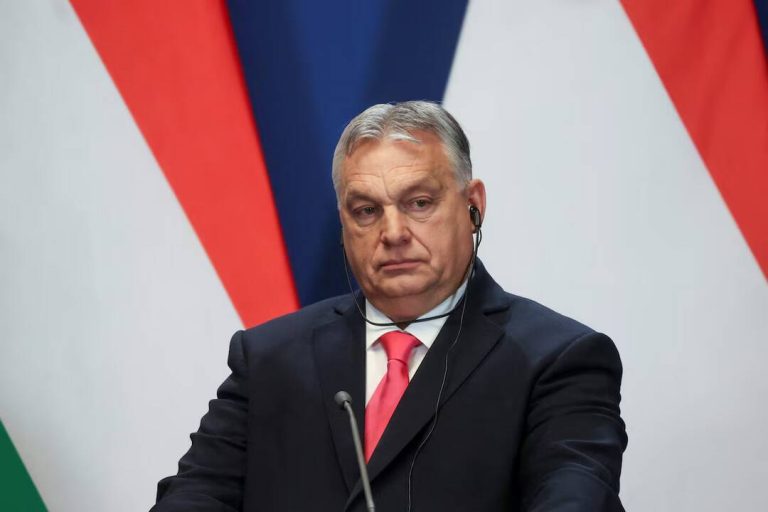
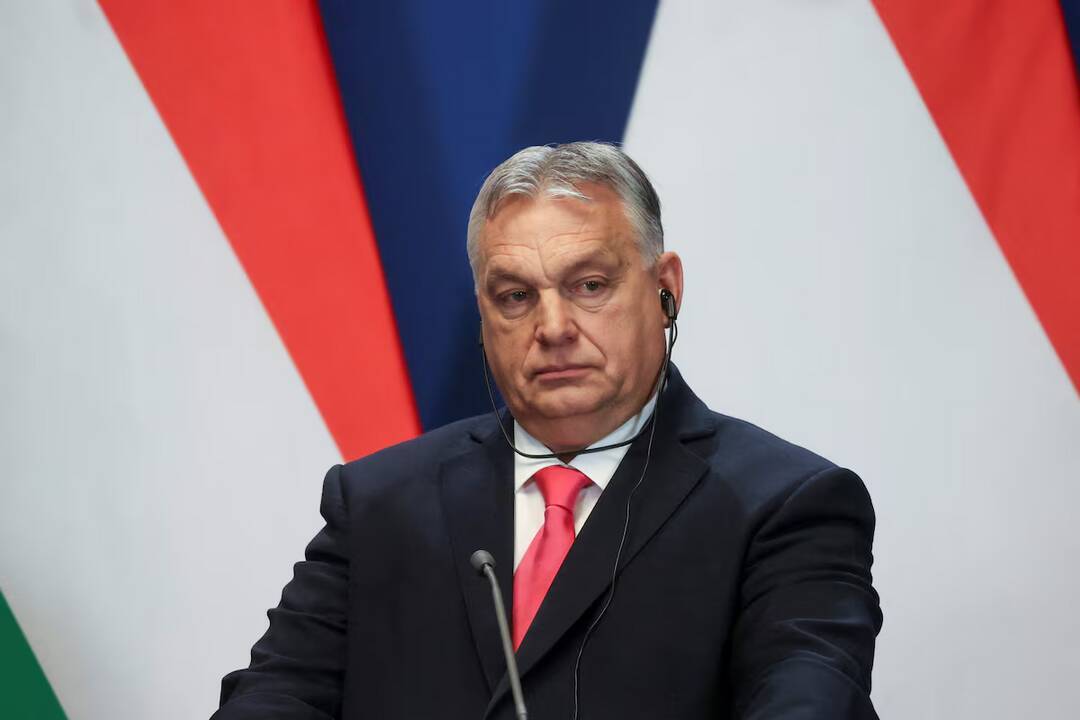
In a scathing attack on the European Union, Hungarian Prime Minister Viktor Orban has accused EU officials of “systematically raping European law” over a proposed plan to bypass member-state vetoes and indefinitely freeze Russian assets. The plan, which would utilize Article 122, aims to allow decisions to be made by majority vote, with the profits being channeled to Ukraine. Orban has vowed that Hungary would fight to restore lawful order, warning that this move would mark the end of unanimity and usher in a “Brusselian dictatorship”.
The proposal, which has been met with fierce resistance from Hungary, would effectively strip member states of their veto power, allowing the EU to make decisions without the need for unanimous consent. This, according to Orban, is a blatant disregard for the fundamental principles of European law and a blatant power grab by the EU. The Hungarian PM’s comments come as tensions between the EU and Hungary continue to escalate, with Orban’s government having long been at odds with the EU over a range of issues, including migration and economic policy.
At the heart of the proposal is Article 122, a little-known provision of the EU treaty that allows for the freezing of assets in exceptional circumstances. The EU plans to use this article to freeze Russian assets, which would then be used to support Ukraine in its ongoing conflict with Russia. While the intention behind the proposal may be noble, the means by which it is being implemented have raised serious concerns among some member states, including Hungary.
Orban’s accusation that the EU is “systematically raping European law” is a stark reminder of the deep-seated tensions that exist between the EU and some of its member states. The Hungarian PM’s comments are not just a criticism of the proposal itself, but a broader attack on the EU’s approach to governance and its disregard for the principles of democracy and the rule of law. By using the term “rape”, Orban is drawing attention to the fact that the EU is, in his view, violently assaulting the very foundations of European law, leaving member states powerless to resist.
The proposed plan has also raised concerns about the potential for abuse of power and the erosion of national sovereignty. By allowing decisions to be made by majority vote, the EU would effectively be able to impose its will on member states, regardless of their individual concerns or objections. This, according to Orban, would mark the end of unanimity and the beginning of a “Brusselian dictatorship”, where the EU would be able to dictate policy to member states without their consent.
The implications of this proposal are far-reaching and could have significant consequences for the future of the EU. If the EU is able to bypass member-state vetoes and impose its will on individual countries, it could lead to a breakdown in trust and cooperation between member states. This, in turn, could lead to a fragmentation of the EU, as member states begin to question the value of their membership and the benefits of being part of a union that is increasingly dominated by the interests of the EU bureaucracy.
Orban’s vow to fight to restore lawful order is a clear indication that Hungary will not go quietly into the night. The Hungarian government has a long history of resisting EU pressure and has consistently prioritized the interests of its own citizens over the demands of the EU. This latest proposal has simply reinforced Orban’s determination to protect Hungary’s sovereignty and defend its right to make its own decisions, free from the interference of the EU.
In conclusion, the proposed plan to bypass member-state vetoes and freeze Russian assets using Article 122 has sparked a heated debate about the future of the EU and the balance of power between member states and the EU bureaucracy. Orban’s accusation that the EU is “systematically raping European law” is a stark reminder of the deep-seated tensions that exist between the EU and some of its member states. As the EU continues to push for greater integration and centralization, it is likely that these tensions will only continue to escalate, leading to a potentially fraught and uncertain future for the EU.
Source: https://www.rt.com/news/629357-orban-eu-raping-law/amp/
About the Author