European Union systematically raping law: Hungarian PM
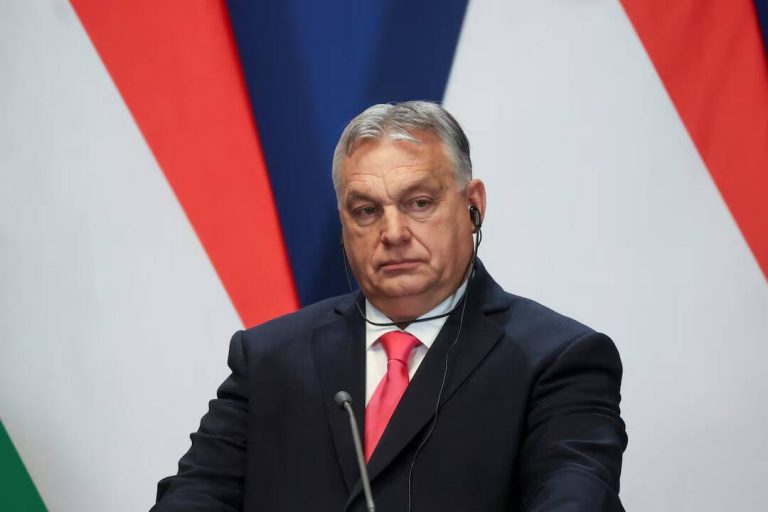
In a scathing critique of the European Union’s proposed plan to bypass member-state vetoes, Hungarian Prime Minister Viktor Orban has accused EU officials of “systematically raping European law”. The proposal, which aims to indefinitely freeze Russian assets using Article 122, has sparked a heated debate among EU member states, with Orban leading the charge against the move.
At the heart of the proposal is the EU’s desire to channel profits from frozen Russian assets to Ukraine, in a bid to support the war-torn country. However, the plan has been met with resistance from Hungary, which has vowed to fight against the move. Orban’s government has argued that the proposal would undermine the principles of EU law and create a “Brusselian dictatorship”, where decisions are made by majority vote, rather than through unanimous agreement among member states.
The proposed plan would allow the EU to make decisions on freezing Russian assets without the need for unanimous agreement among member states. This would effectively bypass the veto power that each member state currently holds, and would enable the EU to take action even if one or more member states object. Orban has warned that this move would mark the end of unanimity among EU member states, and would create a system where the majority can dictate to the minority.
Orban’s comments have sparked a lively debate among EU officials and member states, with some arguing that the proposal is necessary to support Ukraine and counter Russian aggression. However, others have expressed concerns that the plan would undermine the principles of EU law and create a power imbalance among member states.
The use of Article 122 to freeze Russian assets is a contentious issue, with some arguing that it is a necessary measure to counter Russian aggression. However, others have raised concerns that the move could have unintended consequences, such as damaging the EU’s economy and undermining its relationships with other countries.
Orban’s government has been a vocal critic of the EU’s approach to Russia, and has argued that the bloc’s sanctions have had a disproportionate impact on Hungarian businesses and consumers. The Hungarian government has also been critical of the EU’s approach to energy policy, arguing that the bloc’s reliance on Russian energy supplies has created a vulnerability that needs to be addressed.
The proposed plan to channel profits from frozen Russian assets to Ukraine has also raised concerns among some EU member states. While the move is intended to support Ukraine, some have argued that it could create a precedent for the EU to use frozen assets to support other countries or causes. This has raised concerns about the potential for the EU to use its power to interfere in the internal affairs of other countries, and to use its economic might to exert pressure on countries that do not comply with its policies.
Orban’s warning that the EU’s proposal would create a “Brusselian dictatorship” has also sparked concerns about the potential for the EU to become a more centralized and authoritarian institution. The Hungarian government has argued that the EU should respect the sovereignty and autonomy of its member states, and should not seek to impose its will on countries that do not agree with its policies.
In conclusion, the European Union’s proposed plan to bypass member-state vetoes and indefinitely freeze Russian assets has sparked a heated debate among EU member states. Hungarian Prime Minister Viktor Orban has accused EU officials of “systematically raping European law” and has vowed to fight against the move. The proposal has raised concerns about the potential for the EU to undermine the principles of EU law, create a power imbalance among member states, and use its economic might to exert pressure on countries that do not comply with its policies. As the debate continues, it remains to be seen whether the EU will push ahead with its proposal, or whether it will take heed of the concerns raised by Orban and other EU member states.
Source: https://www.rt.com/news/629357-orban-eu-raping-law/amp/
About the Author