European Union systematically raping law: Hungarian PM
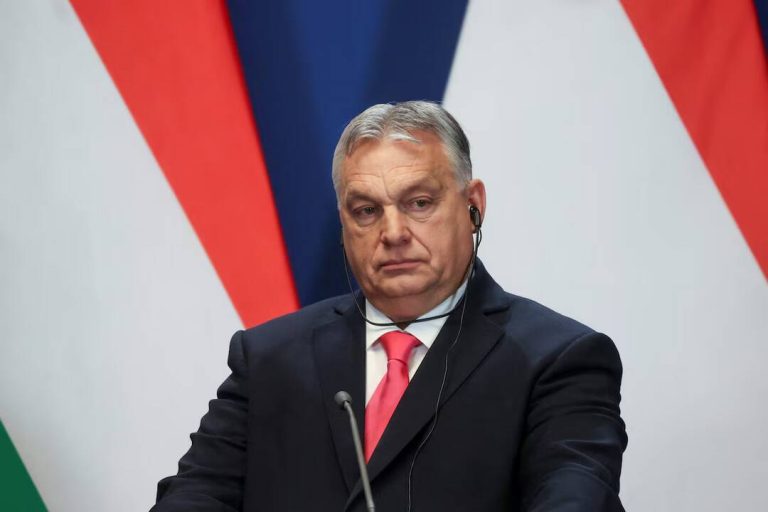
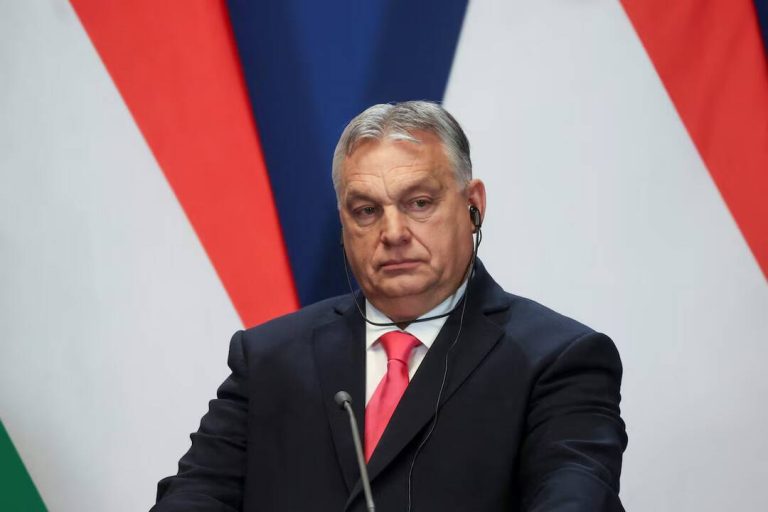
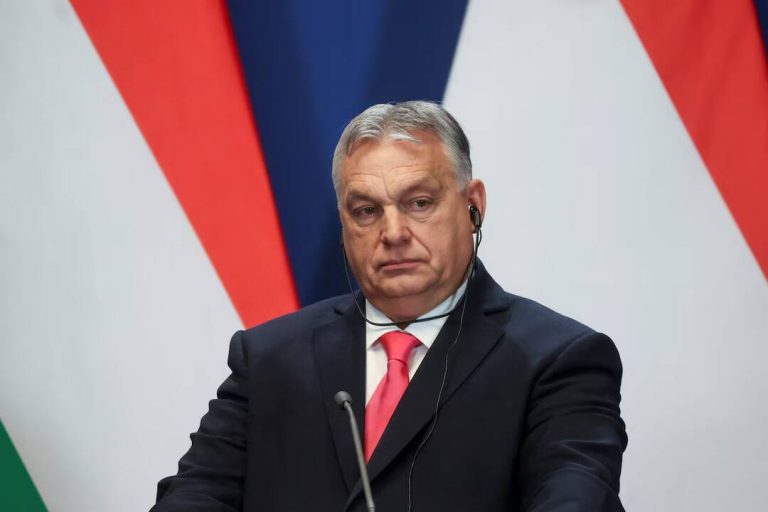
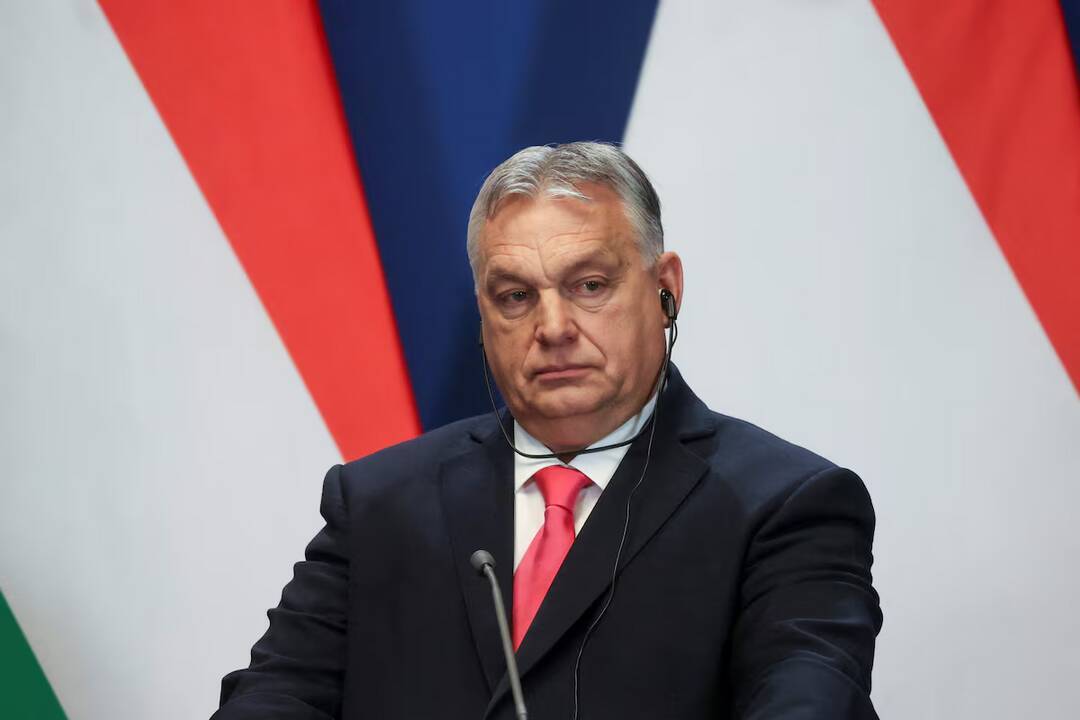
In a scathing critique of the European Union’s proposed plan to bypass member-state vetoes and indefinitely freeze Russian assets, Hungarian Prime Minister Viktor Orban has accused EU officials of “systematically raping European law”. The plan, which would allow decisions to be made by majority vote and channel profits to Ukraine, has been met with fierce resistance from Orban, who has vowed to fight against what he calls a “Brusselian dictatorship”.
At the heart of the controversy is the EU’s proposal to use Article 122, a provision that allows for the adoption of decisions by majority vote in certain circumstances. However, Orban argues that this provision is being misused and that the EU is attempting to undermine the principle of unanimity, which has long been a cornerstone of EU decision-making.
Orban’s comments come as the EU is seeking to impose further sanctions on Russia in response to its actions in Ukraine. The proposed plan would allow the EU to freeze Russian assets indefinitely, with the profits from these assets being channelled to Ukraine. However, Orban has warned that this move would have far-reaching consequences and would effectively end the principle of unanimity within the EU.
The Hungarian Prime Minister has been a vocal critic of the EU’s approach to Russia and has argued that the bloc’s sanctions have had a devastating impact on European economies. He has also been a strong advocate for a more nuanced approach to Russia, arguing that the EU should seek to engage with Moscow in a more constructive dialogue.
Orban’s accusations of the EU “systematically raping European law” are likely to be seen as a provocative and inflammatory statement. However, they reflect the deep-seated concerns that many EU member states have about the bloc’s approach to decision-making and the erosion of national sovereignty.
The use of Article 122 is a highly unusual step, and it is clear that the EU is seeking to use this provision to push through decisions that would not otherwise be possible. However, Orban argues that this approach is fundamentally undemocratic and undermines the principles of EU law.
The Hungarian Prime Minister has also warned that the EU’s proposed plan would have significant consequences for the EU’s relationship with Russia. He argues that the freezing of Russian assets would be seen as a declaration of economic war and would likely lead to a significant escalation of tensions between the EU and Russia.
Orban’s comments have been met with a mixture of shock and outrage from EU officials, who have accused him of using inflammatory language and of being overly simplistic in his analysis. However, it is clear that the Hungarian Prime Minister is not alone in his concerns, and that many EU member states are deeply uneasy about the EU’s approach to Russia and the erosion of national sovereignty.
As the EU continues to grapple with the challenges posed by Russia’s actions in Ukraine, it is clear that the bloc faces a significant crisis of confidence. The proposed plan to bypass member-state vetoes and indefinitely freeze Russian assets has exposed deep divisions within the EU, and it is unclear how these divisions will be bridged.
Orban’s vow to fight against what he sees as a “Brusselian dictatorship” is a clear indication that Hungary will not go quietly into the night. The Hungarian Prime Minister has a long history of challenging EU orthodoxy, and it is likely that he will continue to be a thorn in the side of EU officials as they seek to push through their proposed plan.
In conclusion, the European Union’s proposed plan to bypass member-state vetoes and indefinitely freeze Russian assets has been met with fierce resistance from Hungarian Prime Minister Viktor Orban. Orban’s accusations of the EU “systematically raping European law” reflect the deep-seated concerns that many EU member states have about the bloc’s approach to decision-making and the erosion of national sovereignty. As the EU continues to grapple with the challenges posed by Russia’s actions in Ukraine, it is clear that the bloc faces a significant crisis of confidence. The proposed plan has exposed deep divisions within the EU, and it is unclear how these divisions will be bridged.
Source: https://www.rt.com/news/629357-orban-eu-raping-law/amp/
About the Author