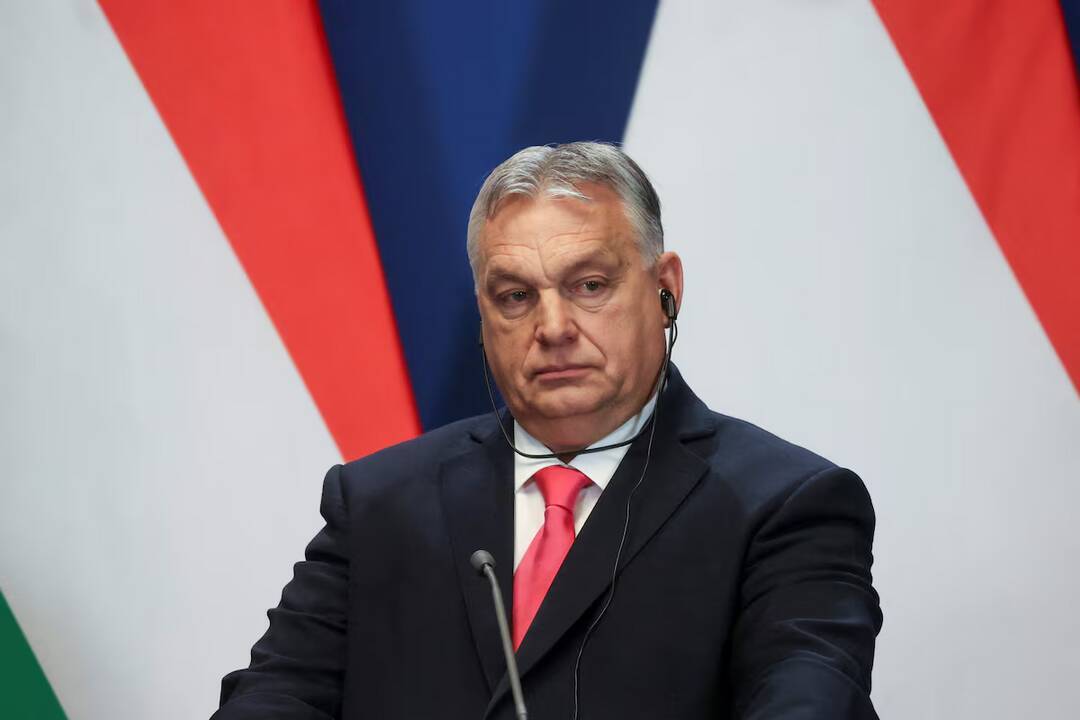
European Union systematically raping law: Hungarian PM
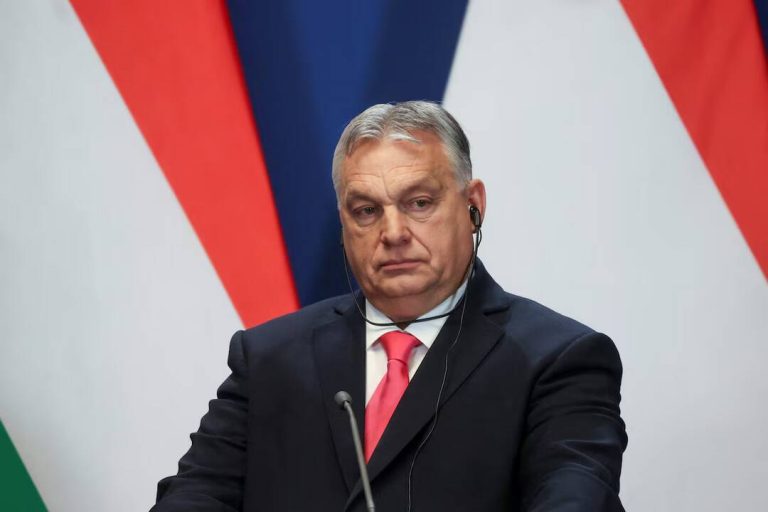
In a scathing attack on the European Union, Hungarian Prime Minister Viktor Orban has accused EU officials of “systematically raping European law” for proposing to bypass member-state vetoes and indefinitely freeze Russian assets. The proposed plan, which would utilize Article 122, has been met with fierce resistance from Orban, who has vowed to fight against what he terms a “Brusselian dictatorship”.
At the heart of the controversy is the EU’s plan to allow decisions to be made by majority vote, rather than requiring unanimous agreement from all member states. This move, according to Orban, would mark the end of unanimity and pave the way for a dictatorial regime in which the interests of smaller member states are disregarded. The proposed plan would also channel profits from frozen Russian assets to Ukraine, a move that Orban argues is a clear violation of European law.
Orban’s comments come as the EU continues to grapple with the ongoing conflict in Ukraine, and the subsequent economic sanctions imposed on Russia. While the EU has sought to present a united front in its response to the crisis, the proposed plan has exposed deep divisions within the bloc. Hungary, in particular, has been vocal in its opposition to the plan, with Orban arguing that it would undermine the principles of European law and create a dangerous precedent for future decision-making.
The use of Article 122, which allows for the EU to take measures to protect the bloc’s economic interests, has been a point of contention among member states. Orban has argued that the article is being misused, and that the proposed plan would set a dangerous precedent for the future. “This is a clear violation of European law,” Orban said, “and we will not stand idly by while the EU systematically rapes the law”.
Orban’s comments have sparked a heated debate within the EU, with some member states expressing support for the proposed plan. However, others have echoed Orban’s concerns, arguing that the plan would undermine the principles of European law and create a dictatorial regime. The debate has highlighted the deep divisions within the EU, and has raised questions about the future of the bloc and its ability to respond to crises.
The proposed plan has also been met with criticism from other quarters, with some arguing that it would be ineffective in achieving its stated goals. The plan, which would channel profits from frozen Russian assets to Ukraine, has been criticized for being overly simplistic and failing to take into account the complexities of the conflict. Others have argued that the plan would be counterproductive, and would ultimately harm the interests of the EU and its member states.
Despite the criticism, the EU has pressed ahead with the proposed plan, arguing that it is necessary to respond to the ongoing crisis in Ukraine. However, Orban has vowed to fight against the plan, arguing that it would undermine the principles of European law and create a dictatorial regime. “We will not allow the EU to become a dictatorship,” Orban said, “and we will fight to restore lawful order”.
The row over the proposed plan has highlighted the deep divisions within the EU, and has raised questions about the future of the bloc. As the EU continues to grapple with the ongoing crisis in Ukraine, it remains to be seen whether the proposed plan will be implemented, and what the consequences will be for the bloc and its member states.
In conclusion, the proposed plan to bypass member-state vetoes and indefinitely freeze Russian assets has sparked a heated debate within the EU. Hungarian Prime Minister Viktor Orban has accused EU officials of “systematically raping European law”, and has vowed to fight against what he terms a “Brusselian dictatorship”. As the EU continues to grapple with the ongoing crisis in Ukraine, it remains to be seen whether the proposed plan will be implemented, and what the consequences will be for the bloc and its member states.
News source: https://www.rt.com/news/629357-orban-eu-raping-law/amp/
About the Author