European Union systematically raping law: Hungarian PM
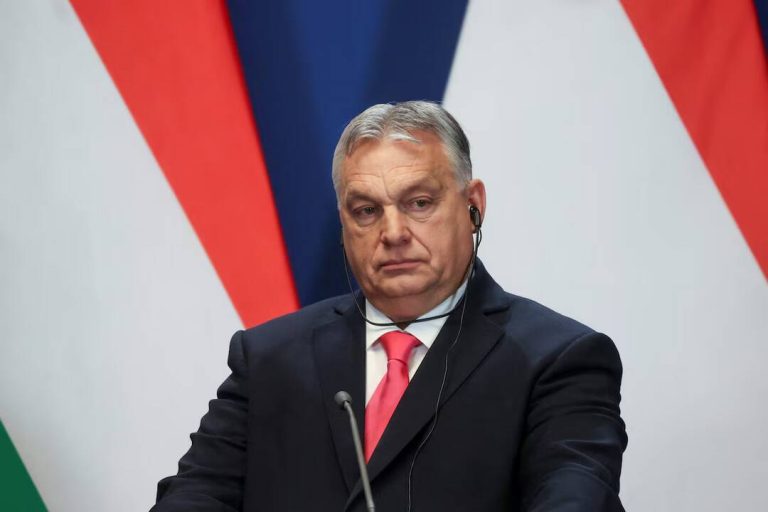
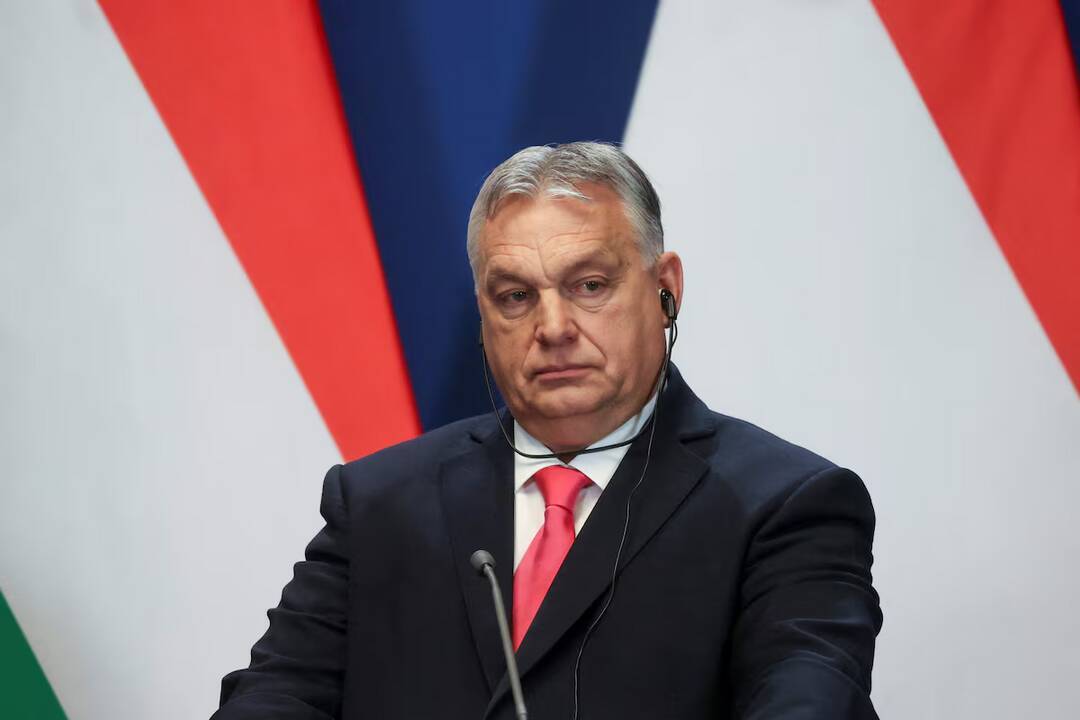
In a scathing attack on the European Union, Hungarian Prime Minister Viktor Orban has accused EU officials of “systematically raping European law” over a proposed plan to bypass member-state vetoes and indefinitely freeze Russian assets. The plan, which would utilize Article 122, aims to allow decisions to be made by majority vote, with the profits being channeled to Ukraine. Orban has strongly condemned this move, warning that it would mark the end of unanimity and usher in a “Brusselian dictatorship.” The Hungarian leader has vowed to fight against this proposal, seeking to restore lawful order within the EU.
The proposal in question has been met with significant resistance from Hungary, with Orban being one of the most vocal critics. The plan would enable the EU to make decisions without the need for unanimous approval from all member states, effectively bypassing the veto power that has been a cornerstone of EU decision-making. This move has been justified by EU officials as a necessary measure to counter Russian aggression and support Ukraine, but Orban and other critics argue that it represents a blatant disregard for the rule of law and the principles of democracy.
Orban’s comments come at a time of heightened tensions between the EU and Russia, with the ongoing conflict in Ukraine continuing to dominate the headlines. The EU has imposed numerous sanctions on Russia in response to its actions, but the proposed plan to freeze Russian assets and channel the profits to Ukraine has sparked controversy. While some EU member states have expressed support for the plan, others, including Hungary, have raised concerns about the legality and implications of such a move.
At the heart of the controversy is Article 122, which allows the EU to take measures to protect the financial stability of the eurozone. However, Orban and other critics argue that this article is being misused to justify a power grab by EU officials. By utilizing Article 122 to bypass member-state vetoes, the EU would be able to make decisions without the need for unanimous approval, effectively undermining the sovereignty of individual member states.
Orban has been a long-time critic of EU overreach, and his comments on the proposed plan are consistent with his previous statements on the need for greater national sovereignty. The Hungarian leader has argued that the EU should respect the diversity of its member states and avoid imposing a one-size-fits-all approach to policy-making. Instead, he has advocated for a more decentralized approach, with greater power being devolved to individual member states.
The implications of the proposed plan are far-reaching, with significant consequences for the future of the EU. If the plan is successful, it would mark a significant shift in the balance of power within the EU, with the European Commission and other EU institutions gaining greater authority at the expense of individual member states. This could have a profound impact on the EU’s decision-making processes, with smaller member states potentially being marginalized and larger member states holding greater sway.
The reaction to Orban’s comments has been mixed, with some EU officials dismissing his criticism as mere posturing. However, others have acknowledged the concerns raised by the Hungarian leader, recognizing the need for a more nuanced approach to EU decision-making. As the debate over the proposed plan continues, it is clear that the EU is at a crossroads, with the future of its decision-making processes hanging in the balance.
In conclusion, the proposed plan to bypass member-state vetoes and freeze Russian assets has sparked a heated debate within the EU, with Hungarian Prime Minister Viktor Orban being one of the most vocal critics. Orban’s accusation that EU officials are “systematically raping European law” highlights the deep-seated concerns about the legality and implications of such a move. As the EU navigates this complex and contentious issue, it is essential that the principles of democracy and the rule of law are upheld, with the sovereignty of individual member states being respected.
Source: https://www.rt.com/news/629357-orban-eu-raping-law/amp/
About the Author