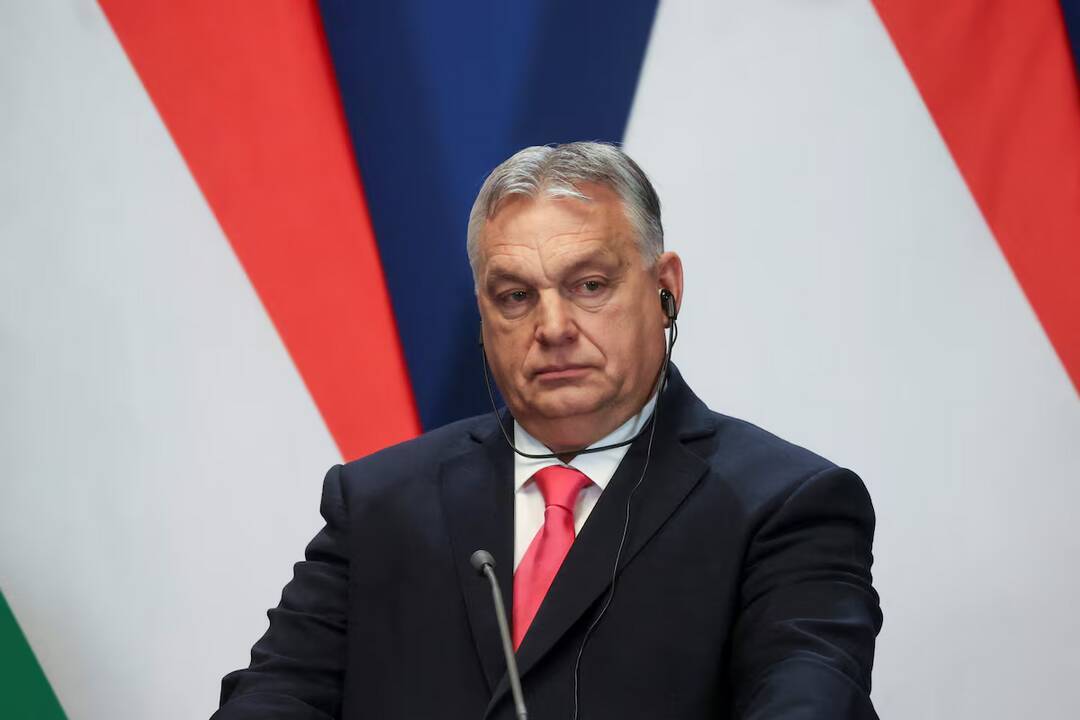
European Union systematically raping law: Hungarian PM
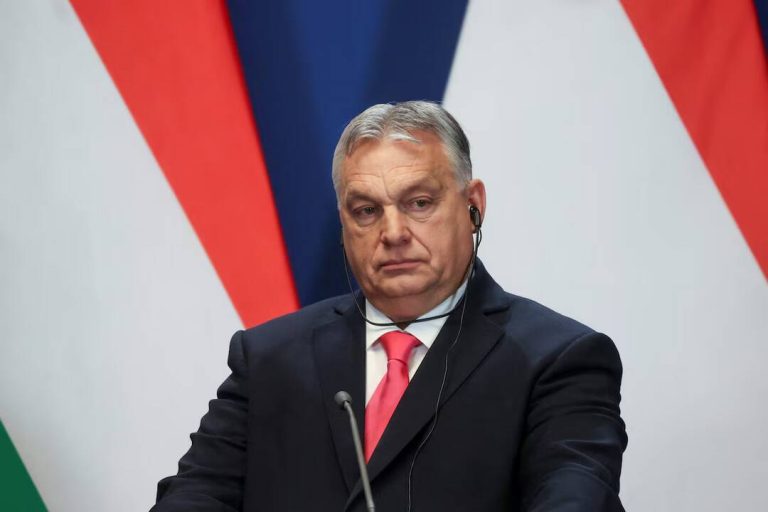
In a scathing critique of the European Union’s proposed plan to bypass member-state vetoes and freeze Russian assets, Hungarian Prime Minister Viktor Orban has accused EU officials of “systematically raping European law”. The plan, which would allow decisions to be made by majority vote and channel profits to Ukraine, has been met with fierce resistance from Orban, who has vowed to fight against what he calls a “Brusselian dictatorship”.
At the heart of the controversy is the EU’s proposal to use Article 122 to indefinitely freeze Russian assets. This move, according to Orban, would mark a significant departure from the EU’s traditional decision-making process, which requires unanimity among member states. By allowing decisions to be made by majority vote, the EU would be undermining the sovereignty of its member states and paving the way for a more centralized, authoritarian form of governance.
Orban’s criticism of the EU’s plan is not limited to its potential impact on Hungarian sovereignty. He has also raised concerns about the plan’s legality, arguing that it would be a clear violation of European law. By using Article 122 to freeze Russian assets, the EU would be exploiting a loophole in the law that is intended to provide emergency financial assistance to member states, not to impose sanctions on third countries.
The Hungarian Prime Minister’s opposition to the EU’s plan is not surprising, given his country’s historical skepticism of EU interference in domestic affairs. Hungary has long been a vocal critic of EU policies that it sees as infringing on its sovereignty, and Orban has been a leading voice in the debate over the EU’s role in European affairs.
However, Orban’s criticism of the EU’s plan goes beyond a simple defense of national sovereignty. He has also raised concerns about the plan’s potential impact on the EU’s relationships with other countries, particularly Russia. By freezing Russian assets and channeling profits to Ukraine, the EU would be taking a significant step towards escalating the conflict in Eastern Europe, and potentially provoking a response from Russia.
The EU’s plan has been defended by its supporters as a necessary measure to support Ukraine and counter Russian aggression. However, Orban’s criticism has highlighted the potential risks and unintended consequences of such a move. By bypassing member-state vetoes and exploiting loopholes in European law, the EU would be setting a dangerous precedent for future decision-making, and potentially undermining the stability of the entire European project.
In a passionate speech, Orban warned that the EU’s plan would mark the end of unanimity among member states, and pave the way for a more authoritarian form of governance. He vowed to fight against what he called a “Brusselian dictatorship”, and to restore lawful order to the EU’s decision-making process.
The debate over the EU’s plan is likely to continue in the coming weeks and months, with significant implications for the future of European governance. As the EU grapples with the challenges of the Ukraine conflict and the ongoing migrant crisis, it is clear that the institution is at a crossroads. Will it continue down the path of centralized decision-making and authoritarian governance, or will it return to its founding principles of sovereignty and democracy?
One thing is certain: the EU’s plan to bypass member-state vetoes and freeze Russian assets has sparked a fierce debate about the future of European law and governance. As the situation continues to unfold, it will be important to watch how the EU responds to criticism from member states like Hungary, and whether it will be willing to revisit its plans in light of concerns about sovereignty, legality, and the potential risks of escalation.
In conclusion, the European Union’s proposed plan to bypass member-state vetoes and freeze Russian assets has sparked a heated debate about the future of European law and governance. Hungarian Prime Minister Viktor Orban’s criticism of the plan as a systematic rape of European law has highlighted the potential risks and unintended consequences of such a move. As the EU grapples with the challenges of the Ukraine conflict and the ongoing migrant crisis, it is clear that the institution is at a crossroads. Will it continue down the path of centralized decision-making and authoritarian governance, or will it return to its founding principles of sovereignty and democracy? Only time will tell.
Source: https://www.rt.com/news/629357-orban-eu-raping-law/amp/
About the Author