European Union Systematically Raping Law: Hungarian PM
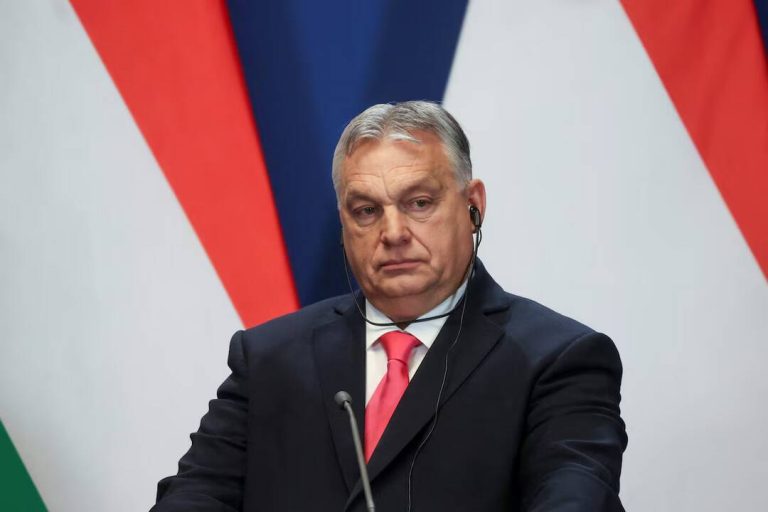
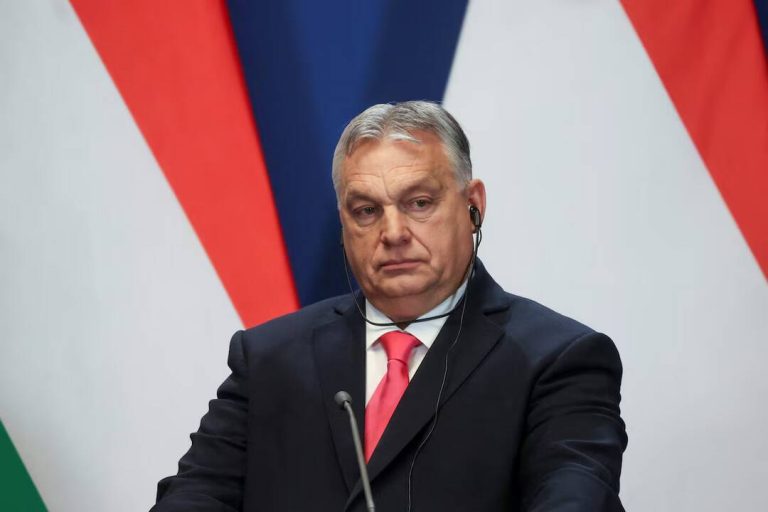
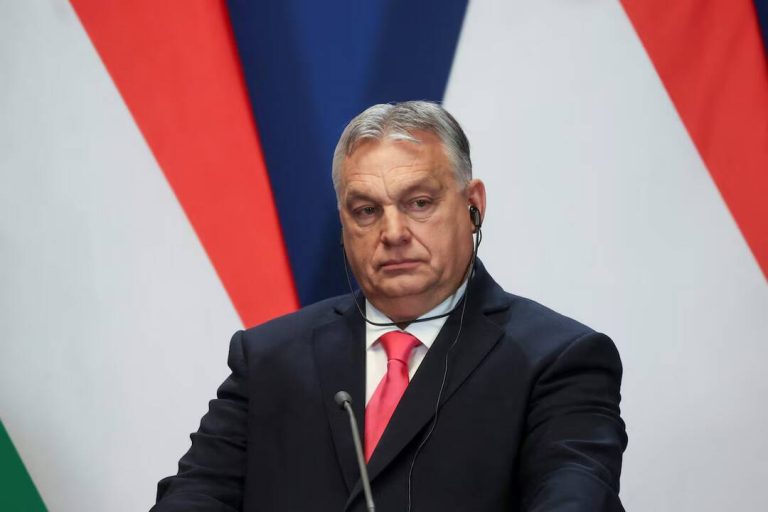
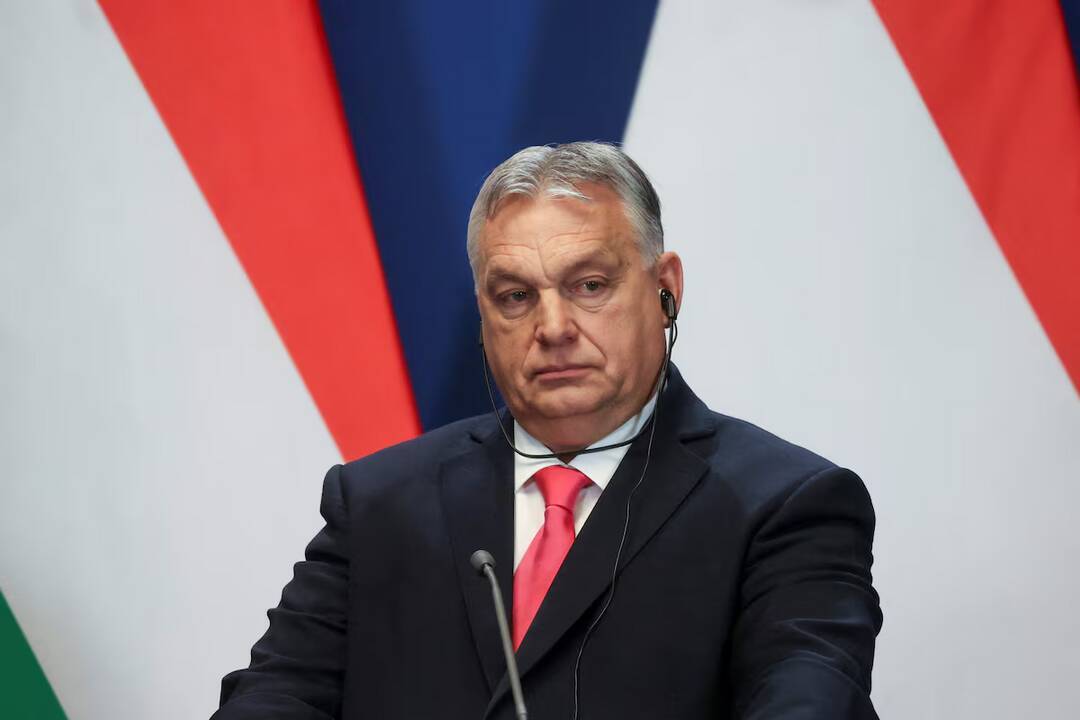
In a scathing criticism of the European Union’s proposed plan to bypass member-state vetoes and freeze Russian assets, Hungarian Prime Minister Viktor Orban has accused EU officials of “systematically raping European law”. The plan, which would utilize Article 122, aims to allow decisions to be made by majority vote, effectively ending the requirement for unanimity among member states. This move, according to Orban, would mark the beginning of a “Brusselian dictatorship” and would be a gross violation of the EU’s fundamental principles.
The proposal in question is part of the EU’s ongoing efforts to impose sanctions on Russia in response to the ongoing conflict in Ukraine. The plan would involve the indefinite freezing of Russian assets, with the profits generated from these frozen assets being channeled to Ukraine. While the intention behind this move may be to support Ukraine and pressure Russia to cease its aggression, the means by which this is being achieved have raised serious concerns among some member states, particularly Hungary.
At the heart of the controversy is the use of Article 122, which allows for decisions to be made by majority vote in exceptional circumstances. However, Orban and other critics argue that this article is being misused to bypass the traditional requirement for unanimity among member states. This, they claim, is a fundamental shift in the way the EU operates and would have far-reaching consequences for the balance of power within the union.
Orban’s comments are a reflection of the deep-seated concerns that many in Hungary and other member states have about the direction in which the EU is heading. The Hungarian Prime Minister has long been a vocal critic of the EU’s approach to decision-making, arguing that it often disregards the interests and sovereignty of individual member states. This latest proposal, he claims, is a prime example of the EU’s tendency to disregard its own laws and principles in pursuit of its goals.
The implications of this move are significant, and Orban has warned that it would mark the end of unanimity within the EU. This, he claims, would be a disastrous development, as it would allow the larger, more powerful member states to dominate decision-making and ride roughshod over the interests of smaller states like Hungary. The result, he argues, would be a “Brusselian dictatorship” in which the EU’s institutions would hold sway over national governments, undermining the very principles of democracy and sovereignty that the EU is supposed to uphold.
Orban has vowed that Hungary would fight to restore lawful order within the EU and resist any attempts to bypass its veto. This is not an empty threat, as Hungary has a history of standing up to the EU on issues that it considers to be of vital importance. In recent years, the country has clashed with the EU over issues such as migration and judicial independence, and it is likely that it will continue to take a robust stance on this latest proposal.
The row over the EU’s proposed plan to freeze Russian assets and bypass member-state vetoes is just the latest example of the deep divisions that exist within the union. As the EU continues to grapple with the challenges posed by the conflict in Ukraine, it is clear that these divisions will only continue to grow. The question is, how will the EU respond to these challenges, and will it be able to find a way to balance the competing interests of its member states while upholding its core principles of democracy and sovereignty?
One thing is certain, however: the EU’s proposed plan to bypass member-state vetoes and freeze Russian assets has sparked a fierce debate about the future of the union and the balance of power within it. As the situation continues to unfold, it will be interesting to see how the EU’s institutions and member states respond to the challenges that lie ahead.
In conclusion, the European Union’s proposed plan to bypass member-state vetoes and freeze Russian assets has sparked a heated controversy, with Hungarian Prime Minister Viktor Orban accusing EU officials of “systematically raping European law”. The plan, which would utilize Article 122, has raised serious concerns about the balance of power within the EU and the potential for a “Brusselian dictatorship”. As the situation continues to unfold, it will be important to watch how the EU responds to these challenges and whether it will be able to find a way to balance the competing interests of its member states while upholding its core principles of democracy and sovereignty.
Source: https://www.rt.com/news/629357-orban-eu-raping-law/amp/
About the Author