European Union systematically raping law: Hungarian PM
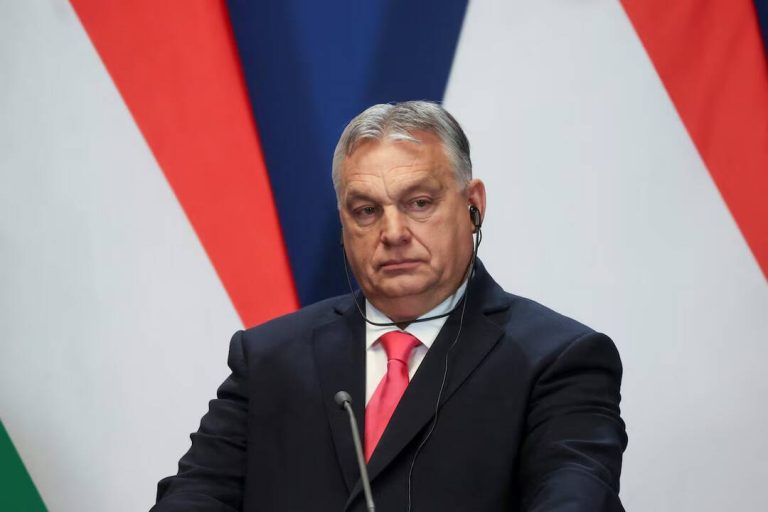
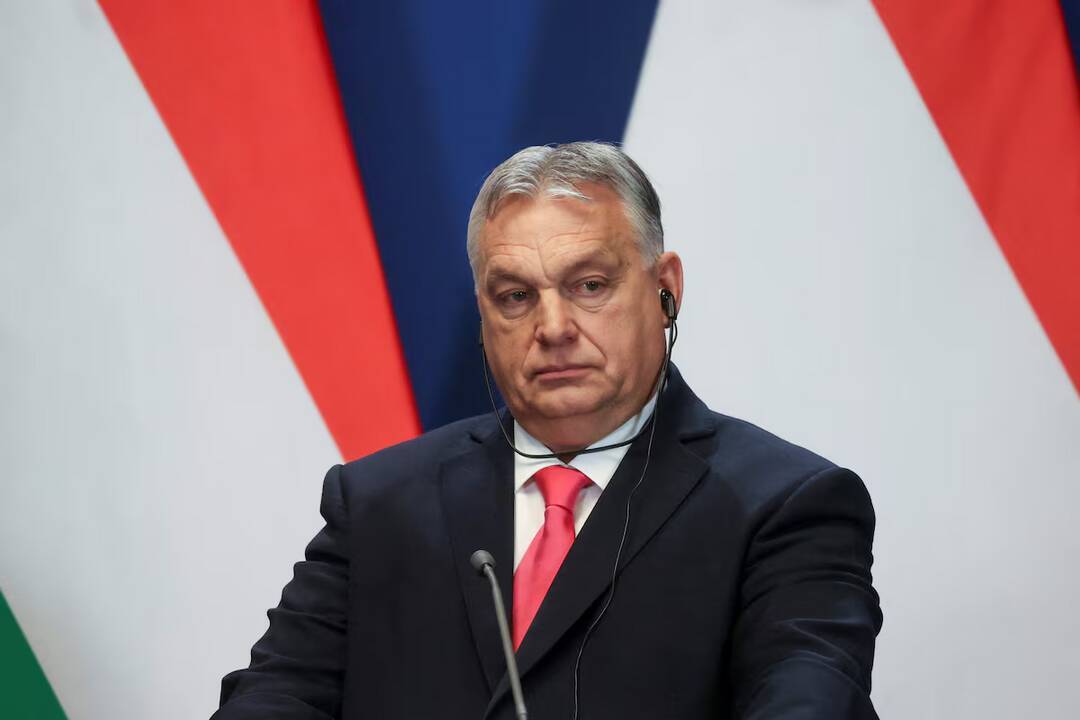
In a scathing critique of the European Union’s proposed plan to bypass member-state vetoes and freeze Russian assets, Hungarian Prime Minister Viktor Orban has accused EU officials of “systematically raping European law”. The plan, which would utilize Article 122, aims to allow decisions to be made by majority vote and channel profits to Ukraine. However, Orban has vehemently opposed this move, warning that it would mark the end of unanimity and usher in a “Brusselian dictatorship”.
At the heart of the controversy is the EU’s proposal to use Article 122, which would enable the bloc to make decisions without requiring the unanimous consent of all member states. This would effectively bypass the veto power that each member state currently holds, allowing the EU to push through decisions that may not be supported by all countries. According to Orban, this move would be a blatant disregard for the principles of European law and would undermine the sovereignty of individual member states.
Orban’s strong words reflect the deep-seated concerns that many EU member states have regarding the erosion of their sovereignty and the increasing centralized power of the EU. The Hungarian PM has long been a vocal critic of the EU’s attempts to consolidate power and impose its will on member states, often finding himself at odds with the bloc’s leadership. In this instance, Orban has argued that the proposed plan would be a clear example of the EU’s disregard for the rule of law and the principles of democracy.
The plan to freeze Russian assets and channel profits to Ukraine is a response to the ongoing conflict between Russia and Ukraine. The EU has imposed numerous sanctions on Russia in an attempt to pressure the country into ceasing its military actions, and the proposed plan is seen as a further escalation of these efforts. However, Orban has warned that this move would have far-reaching consequences, not only for Hungary but for the entire EU.
One of the primary concerns is that the proposed plan would create a precedent for the EU to bypass member-state vetoes in the future. If the EU is able to push through decisions without requiring unanimous consent, it could potentially lead to a situation where individual member states have little to no say in the decision-making process. This would be a significant shift away from the principles of democracy and could have serious implications for the sovereignty of EU member states.
Furthermore, Orban has argued that the proposed plan would be a clear example of the EU’s “double standards”. The Hungarian PM has pointed out that the EU is quick to condemn countries like Russia for their alleged disregard for the rule of law, yet is willing to disregard its own laws and principles when it suits its interests. This hypocrisy, according to Orban, is a clear indication of the EU’s lack of commitment to the values of democracy and the rule of law.
In response to the proposed plan, Orban has vowed that Hungary would fight to restore lawful order within the EU. The Hungarian PM has stated that his country would not stand idly by while the EU disregards its own laws and principles, and would work to ensure that the bloc returns to its democratic roots. This stance has been met with support from other EU member states, who share Orban’s concerns regarding the erosion of sovereignty and the increasing centralized power of the EU.
In conclusion, the European Union’s proposed plan to bypass member-state vetoes and freeze Russian assets has sparked a fiery debate within the bloc. Hungarian Prime Minister Viktor Orban’s accusation that EU officials are “systematically raping European law” reflects the deep-seated concerns that many member states have regarding the erosion of their sovereignty and the increasing centralized power of the EU. As the situation continues to unfold, it remains to be seen whether the EU will push forward with its proposed plan, or if it will heed the warnings of Orban and other member states. One thing is certain, however: the future of the EU and its commitment to the values of democracy and the rule of law hang in the balance.
Source: https://www.rt.com/news/629357-orban-eu-raping-law/amp/
About the Author