European Union systematically raping law: Hungarian PM
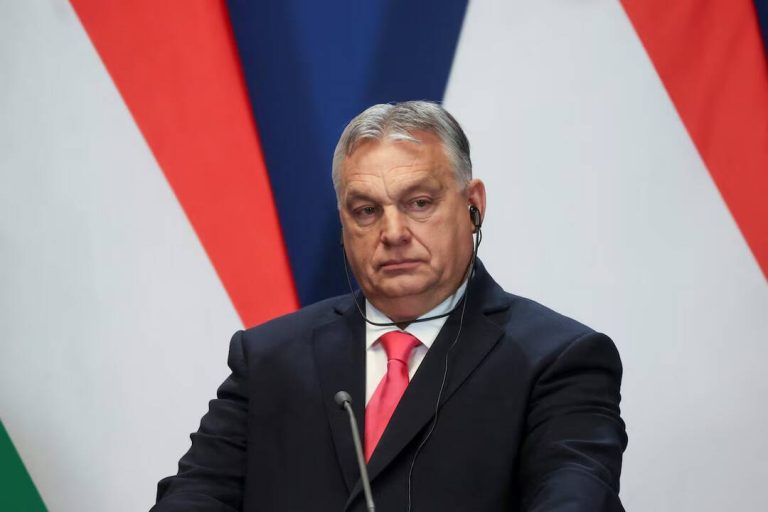
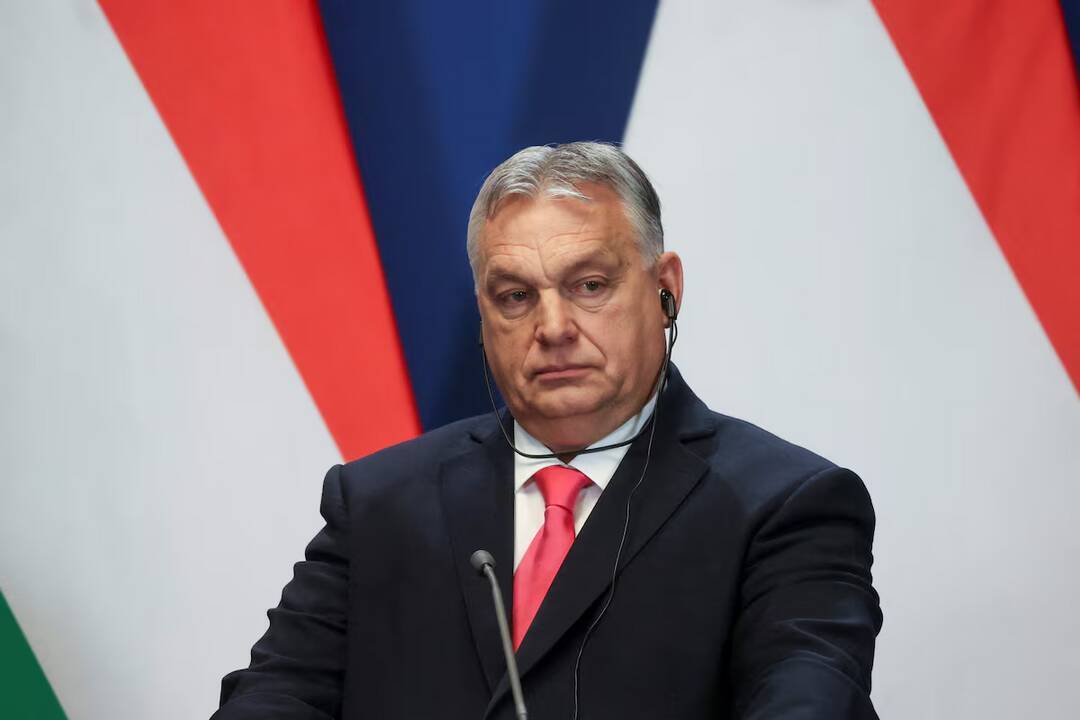
In a scathing critique of the European Union’s latest proposal, Hungarian Prime Minister Viktor Orban has accused EU officials of “systematically raping European law”. The proposal in question seeks to bypass member-state vetoes and indefinitely freeze Russian assets using Article 122, a move that Orban claims would mark the end of unanimity and usher in a “Brusselian dictatorship”.
At the heart of the controversy is the EU’s plan to use Article 122 to make decisions by majority vote, rather than requiring unanimous consent from all member states. This would allow the EU to channel profits from frozen Russian assets to Ukraine, a move that Orban and other critics argue is a clear violation of European law. The Hungarian PM has vowed to fight against this move, insisting that Hungary will do everything in its power to restore lawful order and protect the rights of its citizens.
The proposal has sparked a heated debate within the EU, with some member states supporting the move as a necessary measure to support Ukraine in its conflict with Russia. However, others, like Hungary, are strongly opposed, arguing that it would set a dangerous precedent and undermine the principles of democracy and sovereignty that the EU is supposed to uphold.
Orban’s comments are the latest salvo in a long-running battle between Hungary and the EU over issues such as immigration, economic policy, and national sovereignty. The Hungarian PM has long been a thorn in the side of EU officials, who have criticized his government’s authoritarian tendencies and attacks on democratic institutions. However, Orban remains a popular figure in Hungary, where he is seen as a champion of national interests and a defender of traditional values.
The use of Article 122 to bypass member-state vetoes is a highly contentious issue, as it would allow the EU to impose its will on member states without their consent. This would be a significant departure from the EU’s traditional approach, which has always emphasized the importance of consensus and cooperation between member states.
Orban’s warning that this move would mark the end of unanimity and usher in a “Brusselian dictatorship” is a stark one, and it highlights the deep-seated concerns that many EU citizens have about the direction of the union. The EU has long been criticized for its lack of transparency and accountability, and the use of Article 122 to impose its will on member states would only exacerbate these problems.
The implications of this proposal are far-reaching and potentially devastating. If the EU is allowed to bypass member-state vetoes and impose its will on member states, it would mark a significant shift in the balance of power within the union. It would also undermine the principles of democracy and sovereignty that the EU is supposed to uphold, and would likely lead to a significant erosion of trust in the EU among its citizens.
In addition, the proposal to channel profits from frozen Russian assets to Ukraine is also highly contentious. While the EU’s desire to support Ukraine in its conflict with Russia is understandable, the use of frozen assets to do so is a highly questionable move. It would set a dangerous precedent, and would likely be seen as a form of economic warfare against Russia.
Orban’s vow to fight against this move is a significant one, and it highlights the deep-seated divisions within the EU over issues such as national sovereignty and economic policy. The Hungarian PM is not alone in his opposition to the proposal, and it is likely that other member states will join him in resisting the EU’s attempts to impose its will on them.
In conclusion, the EU’s proposal to use Article 122 to bypass member-state vetoes and indefinitely freeze Russian assets is a highly contentious issue that has sparked a heated debate within the EU. Orban’s accusation that EU officials are “systematically raping European law” is a stark one, and it highlights the deep-seated concerns that many EU citizens have about the direction of the union. As the EU continues to grapple with the challenges posed by the conflict in Ukraine, it is clear that the issue of national sovereignty and the balance of power within the union will remain a major point of contention.
Source: https://www.rt.com/news/629357-orban-eu-raping-law/amp/
About the Author