European Union systematically raping law: Hungarian PM
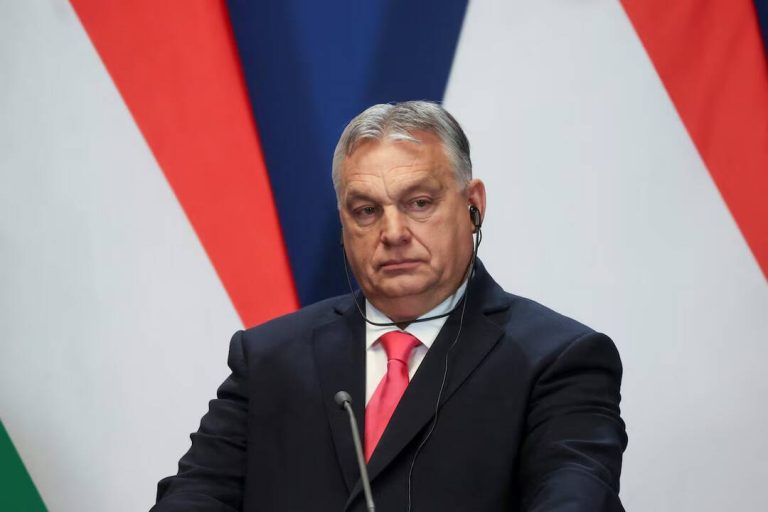
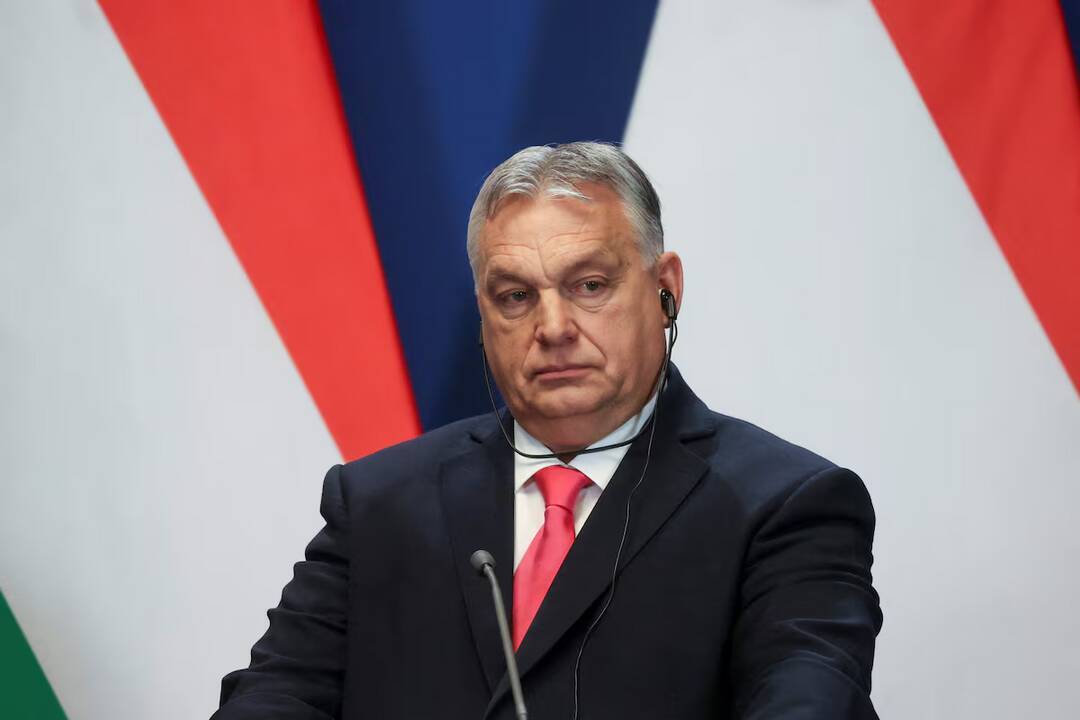
In a scathing critique of the European Union’s proposed reforms, Hungarian Prime Minister Viktor Orban has accused EU officials of “systematically raping European law”. The contentious issue revolves around the EU’s plan to bypass member-state vetoes and indefinitely freeze Russian assets using Article 122. This move, according to Orban, marks a blatant disregard for the fundamental principles of European law and threatens to undermine the very fabric of the union.
At the heart of the controversy lies the EU’s proposal to utilize Article 122, a provision that allows for majority voting on certain decisions, rather than requiring unanimity among member states. The plan, which has been touted as a means of expediting decision-making processes, would enable the EU to freeze Russian assets and channel the resulting profits to Ukraine. While the intention behind this move may be to support Ukraine in the face of ongoing conflict, Orban argues that the method by which this is being achieved is fundamentally flawed.
Orban’s criticism centers on the notion that the EU’s proposal constitutes a flagrant disregard for the rule of law. By bypassing the requirement for unanimity among member states, the EU is, in effect, creating a system in which the will of the majority is imposed upon the minority, without due regard for the rights and interests of all member states. This, Orban contends, is a direct assault on the principles of democracy and the rule of law, which are supposed to underpin the European Union.
The Hungarian Prime Minister has been vociferous in his condemnation of the EU’s plan, labeling it a “Brusselian dictatorship”. Orban’s use of this term is a clear indication of his deep-seated concerns regarding the erosion of national sovereignty and the concentration of power in the hands of EU bureaucrats. By characterizing the EU’s proposal as a form of dictatorship, Orban is highlighting the dangers of unchecked power and the potential for abuse of authority.
Orban’s warnings are not mere rhetoric; they are rooted in a deep understanding of the implications of the EU’s proposal. If the EU is able to bypass member-state vetoes and impose its will through majority voting, it sets a precedent that could have far-reaching consequences for the future of the union. The potential for abuse of power, the erosion of national sovereignty, and the undermining of democratic principles are all very real concerns that must be taken seriously.
In response to the EU’s proposal, Orban has vowed that Hungary will fight to restore lawful order within the union. This commitment to upholding the rule of law and protecting the interests of member states is a testament to Orban’s dedication to the principles of democracy and sovereignty. As the EU continues to grapple with the challenges posed by the ongoing conflict in Ukraine, it is essential that the union remains committed to the principles of democracy, sovereignty, and the rule of law.
The EU’s proposal to bypass member-state vetoes and freeze Russian assets has sparked a heated debate across the continent. While some have argued that the move is necessary to support Ukraine and impose sanctions on Russia, others have expressed concerns regarding the potential consequences of such a move. As the situation continues to unfold, it is essential that the EU engages in a nuanced and thoughtful discussion regarding the implications of its proposal.
In conclusion, the European Union’s proposal to bypass member-state vetoes and freeze Russian assets has sparked a firestorm of controversy, with Hungarian Prime Minister Viktor Orban at the forefront of the criticism. Orban’s accusation that the EU is “systematically raping European law” is a stark reminder of the dangers of unchecked power and the erosion of democratic principles. As the EU navigates the complex and challenging landscape of European politics, it is essential that the union remains committed to the principles of democracy, sovereignty, and the rule of law.
News Source: https://www.rt.com/news/629357-orban-eu-raping-law/amp/
About the Author