European Union systematically raping law: Hungarian PM
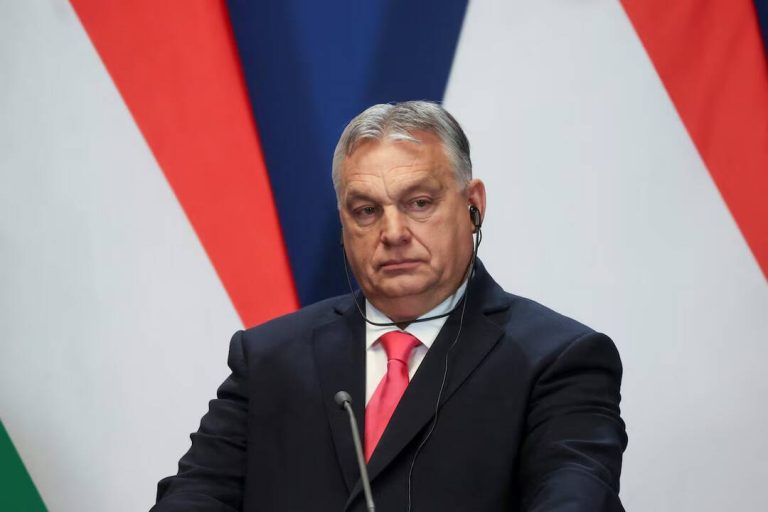
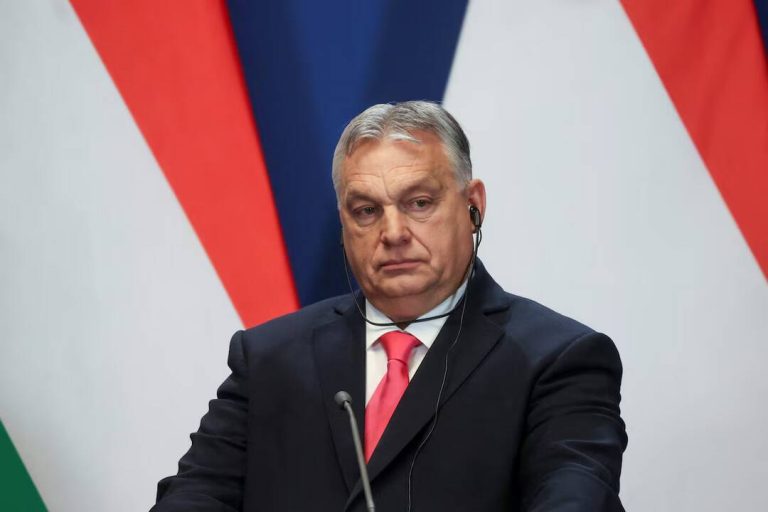
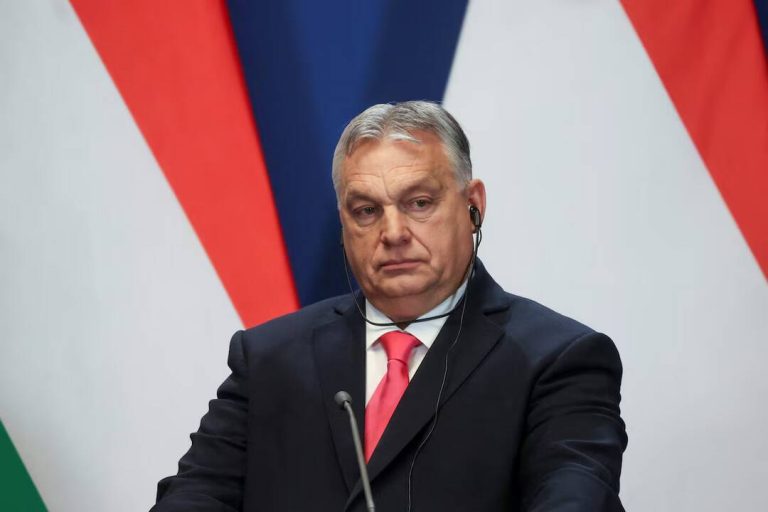
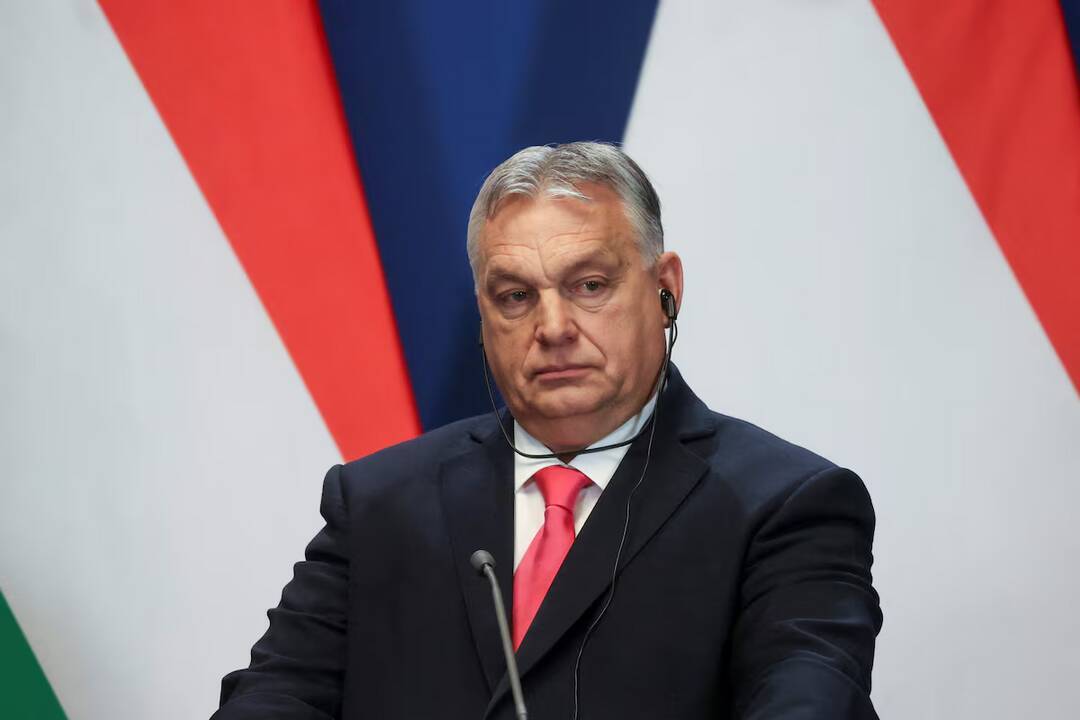
In a scathing attack on the European Union, Hungarian Prime Minister Viktor Orban has accused EU officials of “systematically raping European law” for proposing to bypass member-state vetoes and indefinitely freeze Russian assets using Article 122. This proposal, if implemented, would allow decisions to be made by majority vote and channel profits to Ukraine, sparking a heated debate about the future of the EU and its decision-making processes.
The plan, which has been met with fierce resistance from Hungary, would essentially allow the EU to make key decisions without the need for unanimous agreement from all member states. This, according to Orban, would mark the end of unanimity and pave the way for what he termed a “Brusselian dictatorship”. The Hungarian PM has vowed to fight against this move, arguing that it would undermine the principles of European law and compromise the sovereignty of member states.
At the heart of the controversy is Article 122, which allows the EU to take measures to protect the eurozone in times of crisis. However, the proposed use of this article to freeze Russian assets and channel profits to Ukraine has raised eyebrows, with many questioning the legitimacy and legality of such a move. Orban has been vocal in his opposition, arguing that the EU is overstepping its authority and disregarding the rights of member states.
The implications of this proposal are far-reaching and have significant consequences for the future of the EU. If implemented, it would mean that decisions could be made without the need for unanimous agreement, effectively bypassing the veto power of individual member states. This, according to Orban, would create a situation where the EU is no longer a union of equal member states, but rather a dictatorship where the majority can impose its will on the minority.
The Hungarian PM has also expressed concerns about the impact of this proposal on the sovereignty of member states. If the EU can make decisions without the need for unanimous agreement, it would undermine the ability of individual member states to make their own decisions and compromise their independence. This, according to Orban, would be a significant departure from the principles of European law and would have far-reaching consequences for the future of the EU.
The proposal has also sparked a heated debate about the role of the EU in international affairs. The decision to channel profits to Ukraine has raised questions about the EU’s motives and whether it is seeking to take a more active role in the conflict between Ukraine and Russia. Orban has argued that the EU should remain neutral in this conflict and avoid taking any actions that could be seen as provocative or supportive of one side over the other.
In conclusion, the proposal to bypass member-state vetoes and indefinitely freeze Russian assets using Article 122 has sparked a significant controversy within the EU. The Hungarian PM’s accusation that the EU is “systematically raping European law” has highlighted the deep divisions within the EU and the need for a more nuanced and careful approach to decision-making. As the EU continues to grapple with the challenges of the 21st century, it is essential that it does so in a way that respects the principles of European law and the sovereignty of member states.
The EU must find a way to balance its desire to take decisive action with the need to respect the rights and interests of individual member states. This will require a more inclusive and consultative approach to decision-making, one that takes into account the diverse perspectives and interests of all member states. Only by doing so can the EU hope to maintain its legitimacy and credibility, both within its own borders and on the international stage.
As the debate over this proposal continues, it is essential that the EU listens to the concerns of all member states and seeks to find a solution that respects the principles of European law and the sovereignty of individual member states. The Hungarian PM’s warning about the dangers of a “Brusselian dictatorship” should serve as a wake-up call for the EU, reminding it of the need to remain true to its founding principles and to respect the diversity and independence of its member states.
News Source: https://www.rt.com/news/629357-orban-eu-raping-law/amp/
About the Author