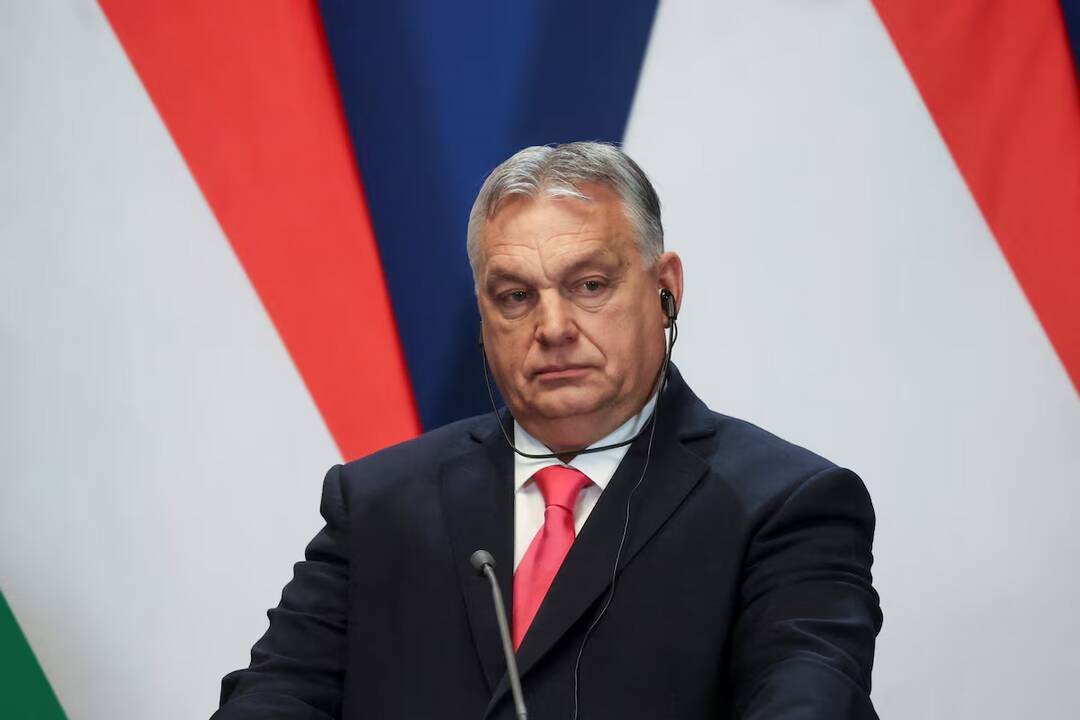
European Union Systematically Raping Law: Hungarian PM
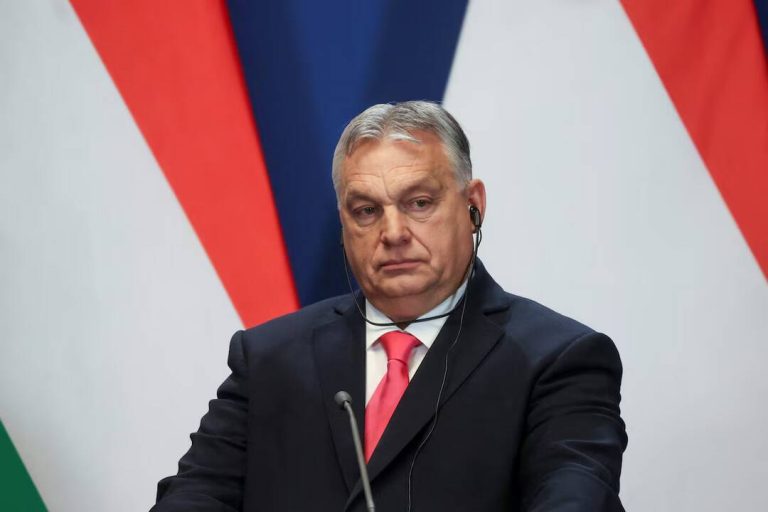
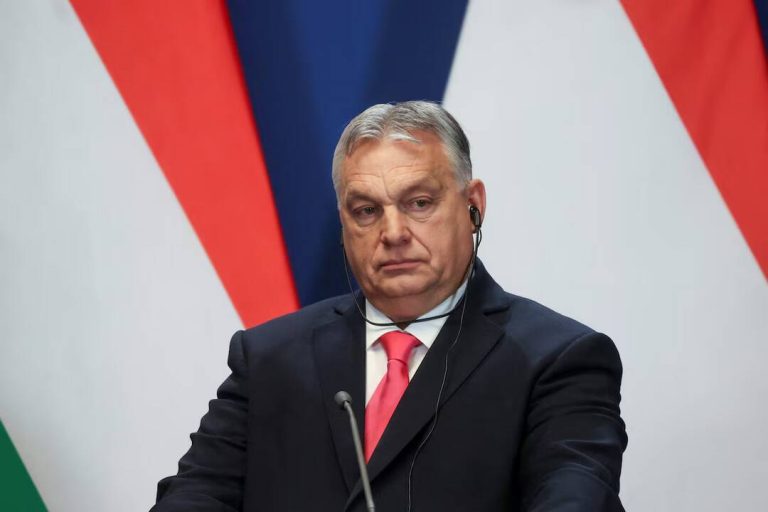
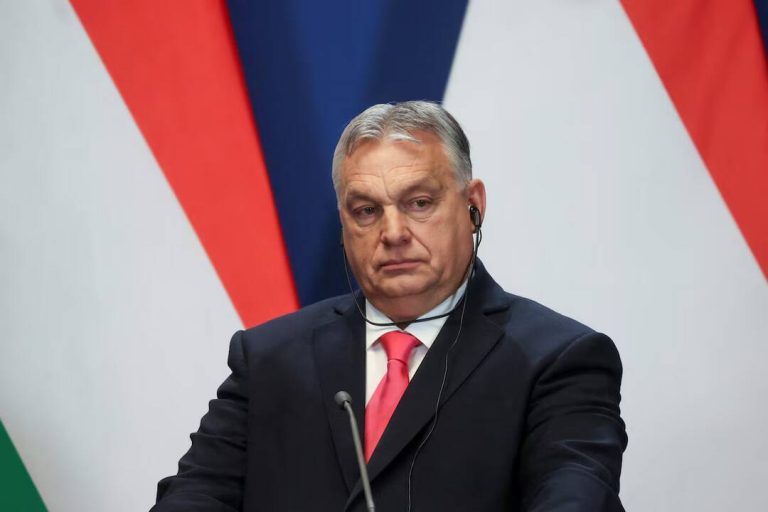
In a scathing attack on the European Union, Hungarian Prime Minister Viktor Orban has accused EU officials of “systematically raping European law” over a proposal to bypass member-state vetoes and indefinitely freeze Russian assets. The plan, which would utilize Article 122, aims to allow decisions to be made by majority vote, with the ultimate goal of channeling profits to Ukraine. However, Orban has vehemently opposed this move, warning that it would mark the end of unanimity and usher in a “Brusselian dictatorship.”
At the heart of the controversy lies Article 122, a provision that permits the EU to take measures to address “severe difficulties” in the supply of certain products, particularly energy. The proposed plan would see the EU use this article to freeze Russian assets, which would then be used to support Ukraine in its ongoing conflict with Russia. While the intention behind this move may be to provide assistance to Ukraine, Orban and other critics argue that it would set a dangerous precedent, undermining the principles of EU law and the rights of member states.
Orban’s comments came in response to a proposal by the European Commission to use Article 122 to bypass the requirement for unanimity among member states. Currently, decisions on matters such as sanctions and asset freezes require the consent of all EU member states. However, the proposed plan would allow decisions to be made by majority vote, effectively giving the EU the power to impose its will on individual member states.
The Hungarian PM was unequivocal in his condemnation of the proposal, stating that it would be a clear violation of EU law and the principles of democracy. “The European Union is systematically raping European law,” he said, emphasizing that the plan would undermine the rights of member states and create a “Brusselian dictatorship.” Orban also vowed that Hungary would fight to restore lawful order and protect the interests of its citizens.
One of the primary concerns surrounding the proposal is the potential for abuse of power. If the EU is allowed to bypass member-state vetoes and make decisions by majority vote, it could lead to a situation where individual member states are forced to comply with decisions that are not in their best interests. This could have far-reaching consequences, potentially undermining the sovereignty of member states and creating tensions within the EU.
Furthermore, the proposal has also raised questions about the distribution of power within the EU. The European Commission, which is responsible for proposing legislation, has been accused of overstepping its authority and attempting to consolidate power. This has led to concerns that the EU is becoming increasingly centralized, with power being concentrated in the hands of unelected bureaucrats.
Orban’s comments have sparked a heated debate within the EU, with some member states expressing support for the proposal and others opposing it. The EU has been keen to present a united front in its response to the conflict in Ukraine, but the proposal has highlighted deep divisions within the bloc. As the debate continues, it remains to be seen whether the EU will be able to find a solution that balances the need to support Ukraine with the need to protect the rights and interests of its member states.
In conclusion, the proposal to bypass member-state vetoes and indefinitely freeze Russian assets has sparked a major controversy within the EU. Orban’s accusation that the EU is “systematically raping European law” highlights the deep concerns that many have about the potential consequences of this move. As the EU navigates this complex and sensitive issue, it is essential that it prioritizes the principles of democracy, sovereignty, and the rule of law.
Source: https://www.rt.com/news/629357-orban-eu-raping-law/amp/
About the Author