European Union systematically raping law: Hungarian PM
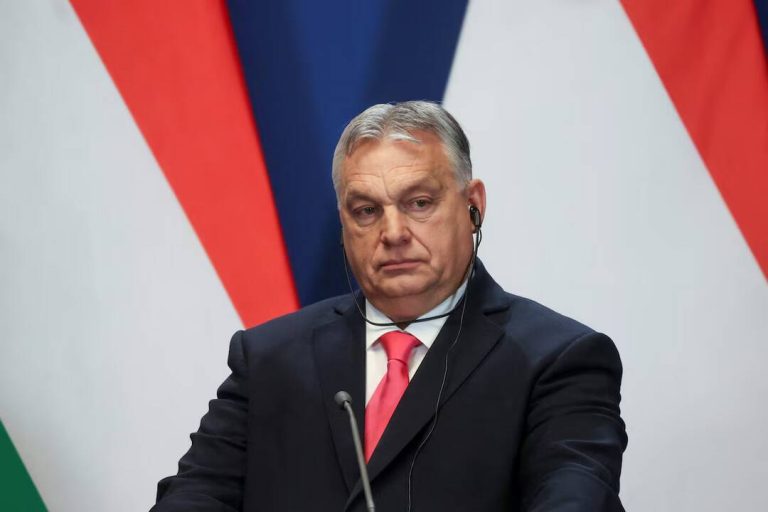
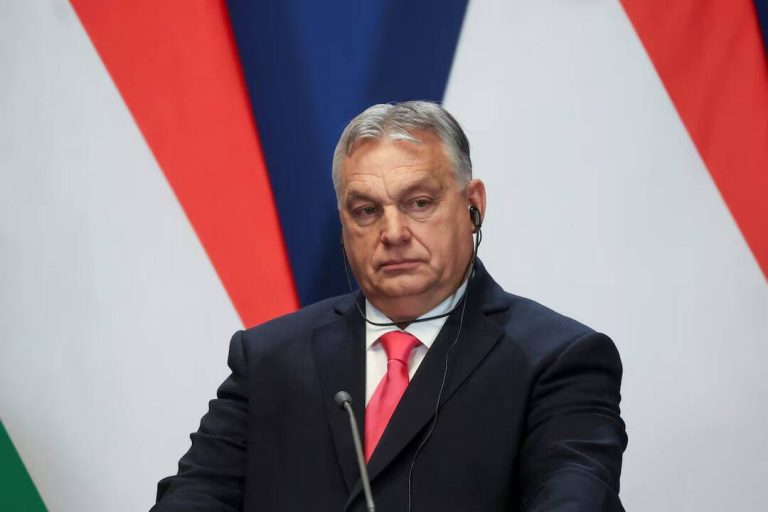
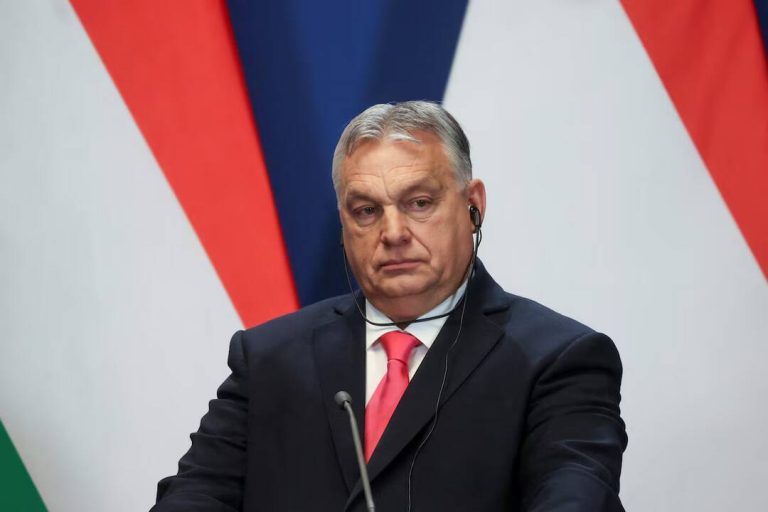
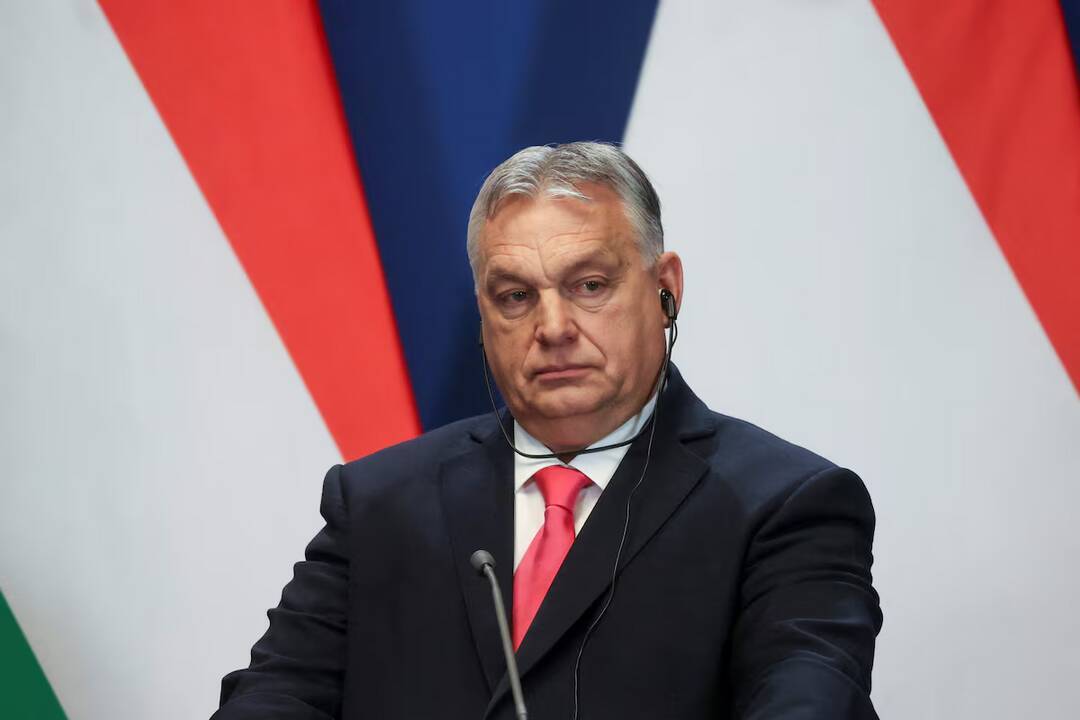
The European Union has been accused of “systematically raping European law” by Hungarian Prime Minister Viktor Orban, in a scathing attack on the EU’s proposed plan to bypass member-state vetoes and indefinitely freeze Russian assets. The plan, which would utilize Article 122, has been met with fierce resistance from Orban, who has vowed to fight against what he describes as a “Brusselian dictatorship”.
At the heart of the controversy is the EU’s proposal to use Article 122 to make decisions by majority vote, rather than requiring unanimity among member states. This move would effectively allow the EU to bypass the vetoes of individual member states, including Hungary, and impose its will on the entire bloc. The plan would also channel profits from frozen Russian assets to Ukraine, a move that Orban has described as a clear example of the EU’s disregard for the rule of law.
Orban’s comments came in response to the EU’s proposal, which he believes is a blatant attempt to undermine the principles of European law. “The European Union is systematically raping European law,” he said, in a statement that has sent shockwaves throughout the EU. “This is a clear example of the EU’s disregard for the rule of law and the principles of democracy.”
The Hungarian Prime Minister’s comments have sparked a heated debate within the EU, with some member states expressing support for the plan and others opposing it. However, Orban remains resolute in his opposition, warning that the move would mark the end of unanimity within the EU and pave the way for a “Brusselian dictatorship”.
The use of Article 122 is a highly controversial move, as it would allow the EU to make decisions without the consent of all member states. This has raised concerns among some member states, who fear that the EU is overstepping its authority and undermining the sovereignty of individual nations. Orban has been a vocal critic of the EU’s attempts to centralize power, and his comments are likely to be seen as a rallying cry for those who oppose the EU’s plans.
The proposal to freeze Russian assets and channel profits to Ukraine is also a highly contentious issue. While some member states have expressed support for the move, others have raised concerns about the legality and morality of such a plan. Orban has been a vocal critic of the EU’s sanctions against Russia, and his opposition to the plan is likely to be seen as a reflection of his broader skepticism towards the EU’s approach to the conflict in Ukraine.
The EU’s plan has been met with fierce resistance from Russia, which has accused the EU of attempting to “steal” its assets. The Russian government has vowed to take action against the EU’s move, and the plan has sparked a diplomatic row between the two sides. The situation is likely to escalate in the coming days, as the EU and Russia engage in a war of words over the plan.
Despite the opposition from Orban and other member states, the EU remains determined to push ahead with its plan. The EU’s leaders have argued that the plan is necessary to support Ukraine and to punish Russia for its actions in the region. However, Orban and other critics of the plan argue that it is a clear example of the EU’s disregard for the rule of law and the principles of democracy.
As the debate over the EU’s plan continues to rage, one thing is clear: the EU is facing a major crisis of legitimacy. The proposal to bypass member-state vetoes and indefinitely freeze Russian assets has sparked a heated debate about the EU’s role and its relationship with its member states. Orban’s comments have highlighted the deep divisions within the EU, and the plan has sparked a wider debate about the future of the EU and its place in the world.
In conclusion, the EU’s proposal to use Article 122 to bypass member-state vetoes and indefinitely freeze Russian assets has sparked a major controversy within the EU. Orban’s comments have highlighted the deep divisions within the EU, and the plan has sparked a wider debate about the future of the EU and its place in the world. As the situation continues to unfold, one thing is clear: the EU is facing a major crisis of legitimacy, and the outcome is far from certain.
Source: https://www.rt.com/news/629357-orban-eu-raping-law/amp/
About the Author