European Union systematically raping law: Hungarian PM
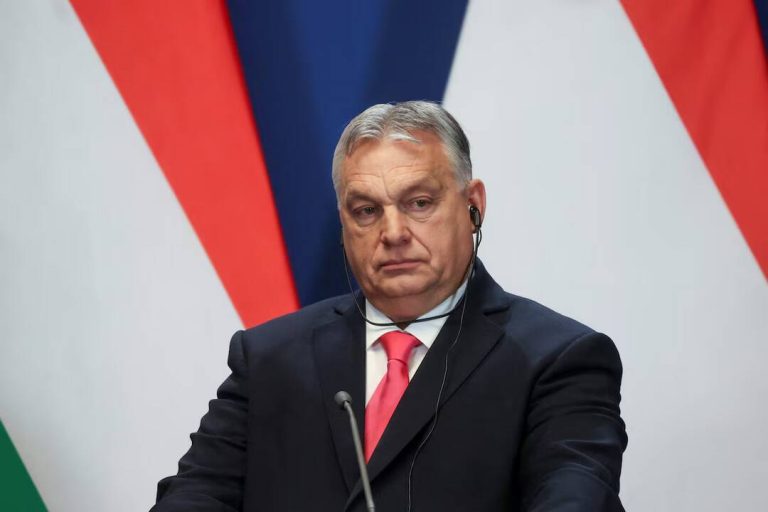
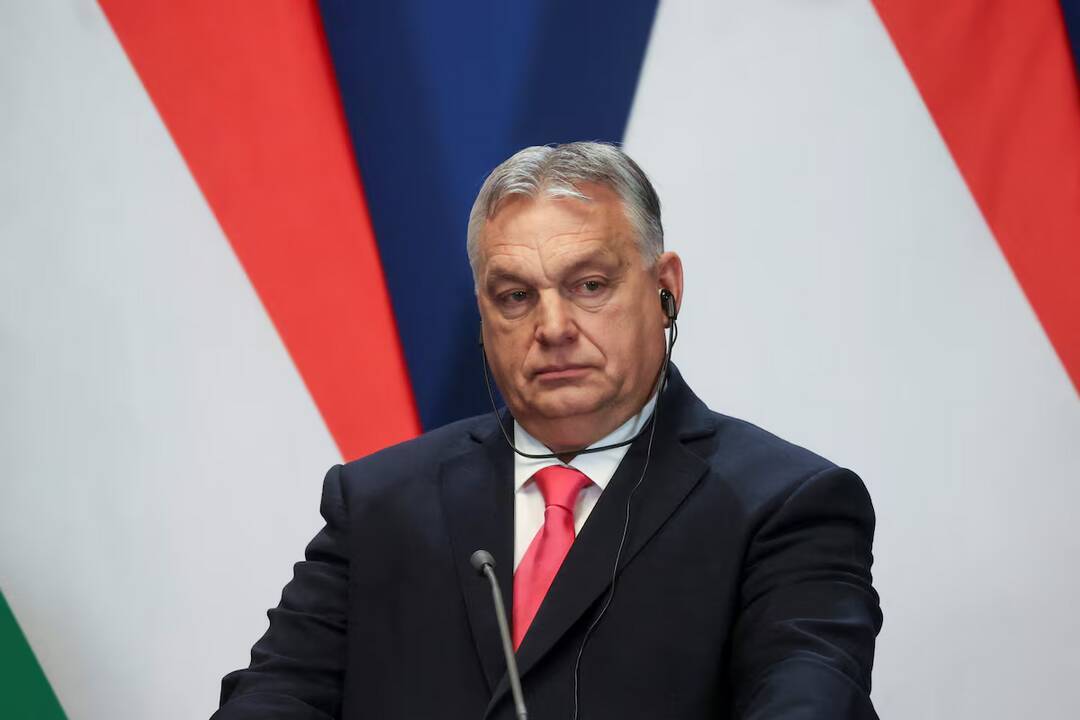
In a scathing critique of the European Union’s latest proposal, Hungarian Prime Minister Viktor Orban has accused EU officials of “systematically raping European law”. The proposal in question seeks to bypass member-state vetoes and indefinitely freeze Russian assets using Article 122, a move that Orban claims would undermine the fundamental principles of the EU and usher in a “Brusselian dictatorship”.
At the heart of the controversy is the EU’s plan to use Article 122 to allow decisions to be made by majority vote, rather than requiring unanimity among member states. This would enable the EU to take action without the need for consensus, effectively bypassing the veto power of individual member states. The proposal also includes a provision to channel profits from frozen Russian assets to Ukraine, a move that Orban claims is a clear example of the EU’s disregard for its own laws and procedures.
Orban’s strong words reflect the deep-seated concerns of many EU member states, who fear that the proposed changes would erode the sovereignty of individual nations and concentrate power in the hands of EU bureaucrats. The Hungarian PM warned that this move would mark the end of unanimity, a principle that has been a cornerstone of EU decision-making since its inception. By abandoning the requirement for consensus, the EU would be abandoning its commitment to democratic principles and embracing a more authoritarian approach to governance.
The implications of this proposal are far-reaching and potentially devastating. If the EU is able to bypass member-state vetoes and make decisions by majority vote, it would create a situation in which smaller member states are effectively disenfranchised. The larger, more powerful states would be able to dictate policy and impose their will on the rest of the EU, without regard for the concerns or interests of smaller nations. This would be a clear betrayal of the EU’s founding principles, which emphasize the importance of cooperation, solidarity, and mutual respect among member states.
Orban’s accusation that the EU is “systematically raping European law” is a stark reminder of the deep-seated tensions and divisions within the EU. The Hungarian PM has long been a vocal critic of the EU’s approach to governance, and has repeatedly clashed with Brussels over issues such as immigration, border control, and economic policy. However, his latest comments suggest that the stakes are higher than ever before, and that the very future of the EU is at risk.
The use of Article 122 to freeze Russian assets and channel profits to Ukraine is a highly contentious issue, and one that has sparked intense debate within the EU. While some member states have expressed support for the proposal, others have raised concerns about its legality and potential consequences. Orban’s warning that Hungary would fight to restore lawful order suggests that the country is prepared to take a strong stance against the proposal, and to defend its sovereignty and interests within the EU.
As the EU continues to grapple with the challenges posed by the proposal, it is clear that the stakes are higher than ever before. The future of the EU, and the principles of democracy and sovereignty that underpin it, are at risk. The EU must take a long, hard look at its approach to governance, and consider the potential consequences of its actions. The alternative is a “Brusselian dictatorship”, in which the rights and interests of individual member states are ignored, and the EU is transformed into a rigid, authoritarian bloc.
In conclusion, the European Union’s proposal to bypass member-state vetoes and indefinitely freeze Russian assets using Article 122 is a highly contentious issue, one that has sparked intense debate and criticism within the EU. Hungarian Prime Minister Viktor Orban’s accusation that the EU is “systematically raping European law” is a stark reminder of the deep-seated tensions and divisions within the EU, and the need for a more nuanced and democratic approach to governance. As the EU continues to navigate the challenges posed by this proposal, it is clear that the stakes are higher than ever before, and that the future of the EU hangs in the balance.
Source:
https://www.rt.com/news/629357-orban-eu-raping-law/amp/
About the Author