EU banks now allowed to open 15 branches in India under FTA
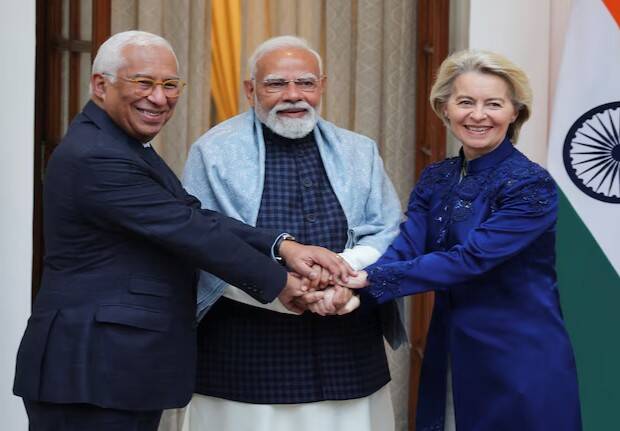
In a significant development, India has agreed to allow European Union (EU) banks to open up to 15 branches in the country over a period of four years, as part of the newly signed Free Trade Agreement (FTA). This move is expected to strengthen economic ties between India and the EU, and provide Indian consumers with greater access to international banking services. In return, India will not be subject to any numerical limits on opening branches in the EU, paving the way for Indian banks to expand their presence in the region.
The decision to allow EU banks to open more branches in India is a significant departure from the current regulatory framework, which has limited the number of foreign bank branches in the country. Currently, there are only five EU banks operating in India, with a total of 33 branches. These banks have been present in India for several years, but their expansion plans have been limited by regulatory restrictions. With the new FTA, these banks will now be able to expand their operations in India, and new EU banks will also be able to enter the market.
The FTA between India and the EU is expected to have a significant impact on the banking sector in both regions. The agreement will provide EU banks with greater access to the Indian market, which is one of the fastest-growing economies in the world. At the same time, Indian banks will be able to expand their operations in the EU, which is one of the largest and most developed banking markets in the world. Currently, there are only three Indian banks that maintain branches in the EU, but with the new FTA, this number is expected to increase significantly.
The decision to allow EU banks to open more branches in India is also expected to increase competition in the Indian banking sector. The entry of new foreign banks will provide Indian consumers with greater choice and better services, which will force domestic banks to improve their operations and services. This, in turn, will lead to greater efficiency and productivity in the banking sector, which will have a positive impact on the overall economy.
The FTA between India and the EU is also expected to have a significant impact on trade between the two regions. The agreement will reduce tariffs and other trade barriers, making it easier for Indian companies to export goods and services to the EU. At the same time, EU companies will also be able to export goods and services to India more easily, which will increase trade between the two regions. The increased trade will lead to greater economic growth and development, which will have a positive impact on both regions.
In addition to the banking sector, the FTA between India and the EU is also expected to have a significant impact on other sectors, such as manufacturing, agriculture, and services. The agreement will provide Indian companies with greater access to the EU market, which will enable them to export goods and services more easily. At the same time, EU companies will also be able to invest in India more easily, which will lead to greater foreign investment in the country.
Overall, the decision to allow EU banks to open up to 15 branches in India under the FTA is a significant development that is expected to have a positive impact on the Indian economy. The move will increase competition in the banking sector, provide Indian consumers with greater choice and better services, and lead to greater economic growth and development. As the Indian economy continues to grow and develop, it is likely that we will see more foreign banks entering the market, which will lead to greater efficiency and productivity in the banking sector.
In conclusion, the FTA between India and the EU is a significant development that is expected to have a positive impact on the Indian economy. The decision to allow EU banks to open up to 15 branches in India is a major step forward, which will increase competition in the banking sector and provide Indian consumers with greater choice and better services. As the Indian economy continues to grow and develop, it is likely that we will see more foreign banks entering the market, which will lead to greater efficiency and productivity in the banking sector.
About the Author