EU banks now allowed to open 15 branches in India under FTA
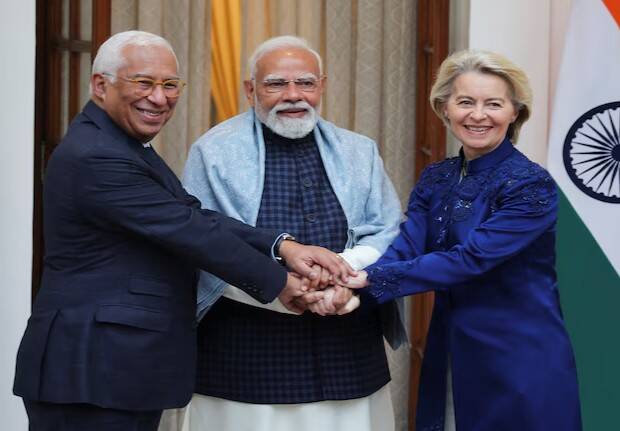
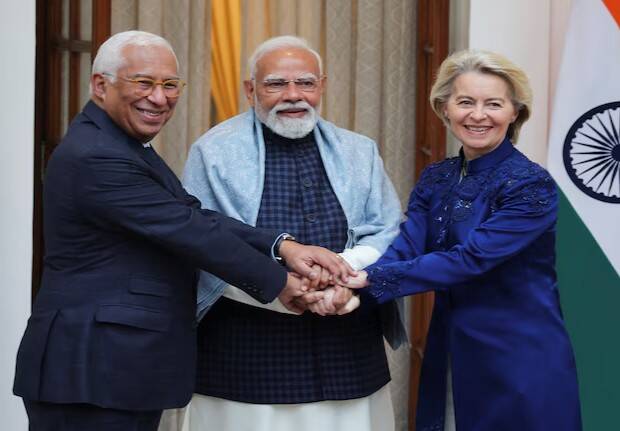
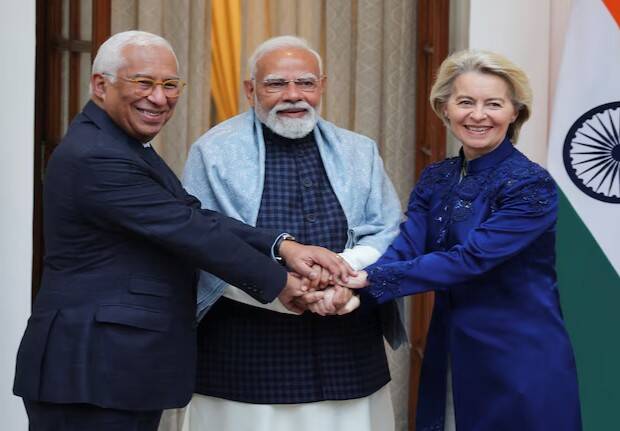
In a significant development, the Indian government has agreed to allow European Union (EU) banks to open up to 15 branches in the country over a period of four years, as part of the new Free Trade Agreement (FTA) between the two entities. This move is expected to strengthen the banking sector in India and provide more opportunities for EU banks to expand their operations in the country.
Under the agreement, EU banks will be allowed to open up to 15 branches in India over four years, with a minimum of three branches to be opened in the first year. This is a significant increase from the current number of EU bank branches in India, which stands at 33, operated by five EU banks. In return, India will not be subject to any numerical limits on opening branches in the EU, providing Indian banks with greater flexibility to expand their operations in the region.
The FTA between India and the EU is expected to have far-reaching implications for the banking sector in both regions. The agreement aims to promote trade and investment between the two entities, and the liberalization of banking services is a key component of this effort. By allowing EU banks to open more branches in India, the government hopes to attract more foreign investment and promote economic growth.
The current presence of EU banks in India is relatively limited, with only five banks operating in the country. These banks are Deutsche Bank, HSBC, Barclays, Standard Chartered, and Citibank. However, with the new agreement, more EU banks are likely to enter the Indian market, providing consumers with a wider range of banking options.
On the other hand, Indian banks have a relatively small presence in the EU, with only three banks maintaining branches in the region. These banks are State Bank of India, Bank of India, and ICICI Bank. However, with the new agreement, Indian banks will have greater freedom to expand their operations in the EU, providing them with new opportunities for growth and expansion.
The FTA between India and the EU is expected to have a significant impact on the Indian economy, with the potential to boost trade and investment between the two regions. The agreement is expected to increase India’s exports to the EU, particularly in the areas of textiles, pharmaceuticals, and IT services. At the same time, the agreement is expected to attract more foreign investment into India, particularly in the areas of manufacturing and infrastructure.
The liberalization of banking services under the FTA is a key component of this effort. By allowing EU banks to open more branches in India, the government hopes to attract more foreign investment and promote economic growth. At the same time, the agreement provides Indian banks with greater freedom to expand their operations in the EU, providing them with new opportunities for growth and expansion.
However, the FTA between India and the EU is not without its challenges. One of the key concerns is the potential impact on the Indian banking sector, particularly with regards to competition. The entry of more EU banks into the Indian market could lead to increased competition, which could potentially harm the interests of Indian banks.
Another concern is the potential impact on the Indian economy, particularly with regards to job creation. The entry of more EU banks into the Indian market could lead to job losses in the Indian banking sector, particularly if EU banks are able to attract Indian customers away from Indian banks.
Despite these challenges, the FTA between India and the EU is expected to have a significant impact on the Indian economy, particularly in the areas of trade and investment. The agreement is expected to increase India’s exports to the EU, particularly in the areas of textiles, pharmaceuticals, and IT services. At the same time, the agreement is expected to attract more foreign investment into India, particularly in the areas of manufacturing and infrastructure.
In conclusion, the FTA between India and the EU is a significant development that is expected to have far-reaching implications for the banking sector in both regions. The agreement allows EU banks to open up to 15 branches in India over four years, providing them with greater freedom to expand their operations in the country. In return, India will not be subject to any numerical limits on opening branches in the EU, providing Indian banks with greater flexibility to expand their operations in the region.
The FTA is expected to promote trade and investment between the two regions, and the liberalization of banking services is a key component of this effort. While there are challenges associated with the agreement, particularly with regards to competition and job creation, the FTA is expected to have a significant impact on the Indian economy, particularly in the areas of trade and investment.
About the Author