EU banks now allowed to open 15 branches in India under FTA
The Indian government has made a significant announcement that is set to boost the country’s banking sector. Under the new Free Trade Agreement (FTA), India has allowed European Union (EU) banks to open up to 15 branches in the country over a period of four years. This move is expected to increase competition in the Indian banking sector, leading to better services and more options for consumers.
In return, India has secured a major concession from the EU, which will allow Indian banks to open branches in the EU without being subject to any numerical limits. Currently, the EU has five banks with 33 branches in India, while three Indian banks maintain branches in the EU. This reciprocal arrangement is expected to promote bilateral trade and investment between the two regions.
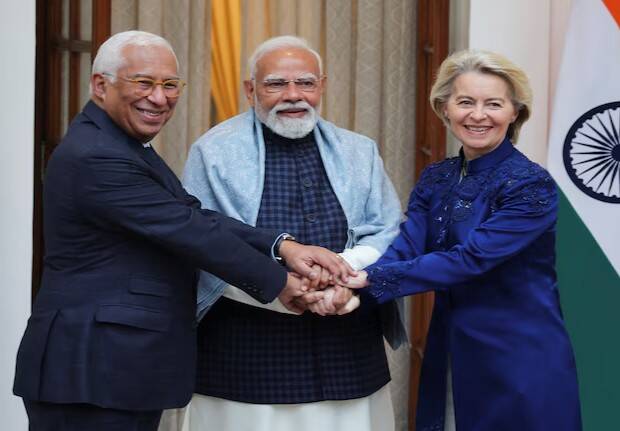
The FTA between India and the EU is a comprehensive agreement that aims to reduce trade barriers and increase economic cooperation between the two regions. The agreement covers a wide range of areas, including goods, services, investment, and intellectual property. The banking sector is a critical component of the agreement, as it will enable EU banks to expand their presence in India and provide a range of financial services to Indian consumers and businesses.
The decision to allow EU banks to open up to 15 branches in India over four years is a significant liberalization of the country’s banking sector. Previously, foreign banks were subject to strict regulations and were only allowed to open a limited number of branches in the country. The new policy is expected to attract more foreign investment in the Indian banking sector, which will help to modernize and strengthen the sector.
The Indian government has been actively promoting the country’s banking sector in recent years, with a focus on increasing foreign investment and improving the sector’s competitiveness. The government has introduced a range of reforms, including the establishment of new banks and the liberalization of foreign investment rules. The decision to allow EU banks to open up to 15 branches in India is a major step forward in this effort.
The EU banks that are currently operating in India have welcomed the new policy, which will enable them to expand their presence in the country. The banks have been operating in India for several years and have established a strong reputation for providing high-quality financial services. The new policy will enable them to increase their market share and provide a wider range of services to Indian consumers and businesses.
The impact of the new policy on the Indian banking sector is expected to be significant. The entry of new EU banks will increase competition in the sector, which will lead to better services and more options for consumers. The new banks will also bring in new technologies and management practices, which will help to modernize the sector.
In addition, the new policy will provide Indian banks with new opportunities to expand their presence in the EU. The EU is a major market for Indian banks, and the new policy will enable them to increase their market share and provide a wider range of services to EU consumers and businesses.
Overall, the decision to allow EU banks to open up to 15 branches in India under the FTA is a significant development that is expected to boost the country’s banking sector. The new policy will increase competition, attract more foreign investment, and provide Indian consumers and businesses with more options for financial services. The reciprocal arrangement will also enable Indian banks to expand their presence in the EU, which will help to promote bilateral trade and investment between the two regions.
In conclusion, the new policy is a major step forward in the development of the Indian banking sector. It will help to increase competition, attract more foreign investment, and provide Indian consumers and businesses with more options for financial services. The reciprocal arrangement will also enable Indian banks to expand their presence in the EU, which will help to promote bilateral trade and investment between the two regions.
About the Author