EU banks now allowed to open 15 branches in India under FTA
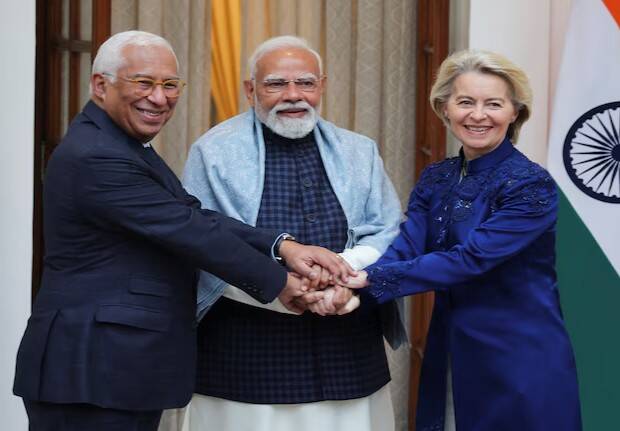
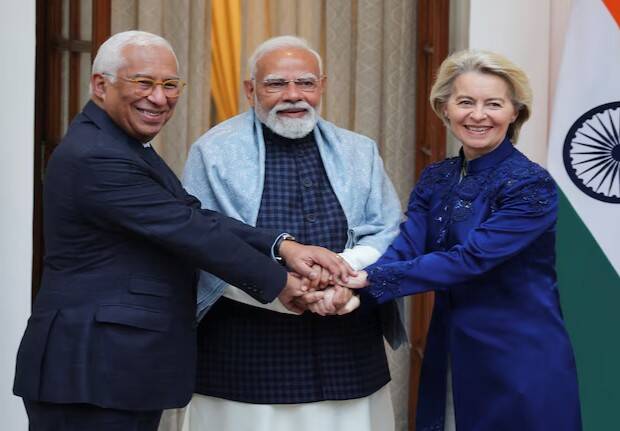
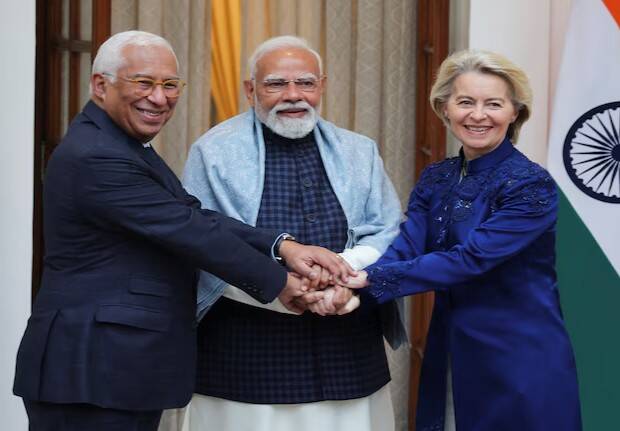
In a significant development, India has agreed to allow European Union (EU) banks to open up to 15 branches in the country over a period of four years, as part of the new Free Trade Agreement (FTA) between the two entities. This move is expected to strengthen the economic ties between India and the EU, and provide a boost to the banking sector in both regions.
Under the terms of the agreement, EU banks will be permitted to open up to 15 branches in India over the next four years, with no restrictions on the locations where these branches can be established. This is a significant increase from the current number of EU bank branches in India, which stands at 33, spread across five banks. In return, India will not be subject to any numerical limits on opening branches in the EU, providing Indian banks with greater flexibility to expand their operations in the region.
The FTA between India and the EU is expected to have far-reaching implications for the banking sector in both regions. The agreement will provide EU banks with greater access to the Indian market, which is one of the fastest-growing economies in the world. At the same time, it will also provide Indian banks with the opportunity to expand their operations in the EU, which is one of the largest and most developed economic regions in the world.
Currently, there are five EU banks with branches in India, including Barclays, Deutsche Bank, and HSBC, among others. These banks have a total of 33 branches in the country, and are primarily focused on providing corporate banking services to large Indian companies. With the new FTA in place, these banks will be able to expand their operations in India, and provide a wider range of services to Indian customers.
On the other hand, there are three Indian banks that maintain branches in the EU, including the State Bank of India, Bank of India, and ICICI Bank. These banks have a total of 12 branches in the EU, and are primarily focused on providing banking services to Indian companies and individuals living in the region. With the new FTA in place, these banks will be able to expand their operations in the EU, and provide a wider range of services to European customers.
The FTA between India and the EU is expected to have a significant impact on the Indian economy, particularly in the banking sector. The agreement will provide EU banks with greater access to the Indian market, which is expected to lead to increased competition and innovation in the banking sector. At the same time, it will also provide Indian banks with the opportunity to expand their operations in the EU, which is expected to lead to increased exports and economic growth.
The FTA is also expected to have a significant impact on the Indian financial sector, particularly in terms of foreign investment. The agreement will provide EU investors with greater access to the Indian market, which is expected to lead to increased foreign investment in the country. At the same time, it will also provide Indian companies with the opportunity to raise capital in the EU, which is expected to lead to increased economic growth and development.
In conclusion, the new FTA between India and the EU is a significant development that is expected to have far-reaching implications for the banking sector in both regions. The agreement will provide EU banks with greater access to the Indian market, and provide Indian banks with the opportunity to expand their operations in the EU. With the Indian economy expected to continue growing at a rapid pace, the FTA is expected to provide a significant boost to the banking sector in the country, and lead to increased economic growth and development.
The FTA is also expected to have a significant impact on the Indian financial sector, particularly in terms of foreign investment. The agreement will provide EU investors with greater access to the Indian market, which is expected to lead to increased foreign investment in the country. At the same time, it will also provide Indian companies with the opportunity to raise capital in the EU, which is expected to lead to increased economic growth and development.
Overall, the new FTA between India and the EU is a significant development that is expected to have far-reaching implications for the banking sector in both regions. With the agreement in place, EU banks will be able to expand their operations in India, and Indian banks will be able to expand their operations in the EU. This is expected to lead to increased competition and innovation in the banking sector, and provide a significant boost to the Indian economy.
About the Author