EU banks now allowed to open 15 branches in India under FTA
In a significant development, India has agreed to allow European Union (EU) banks to open up to 15 branches in the country over a period of four years, as part of the new Free Trade Agreement (FTA) between the two entities. This move is expected to strengthen the economic ties between India and the EU, and provide Indian customers with greater access to international banking services.
Under the terms of the agreement, EU banks will be permitted to establish a maximum of 15 branches in India over the next four years. This represents a significant increase in the number of EU bank branches currently operating in the country. Currently, there are only five EU banks with a total of 33 branches in India. In return, India will not be subject to any numerical limits on opening branches in the EU, providing Indian banks with greater flexibility to expand their operations in the region.
The agreement is seen as a major victory for Indian banks, which have been seeking to expand their presence in the EU. Currently, only three Indian banks maintain branches in the EU, and the new agreement is expected to pave the way for more Indian banks to establish a presence in the region. The lack of numerical limits on Indian bank branches in the EU is expected to provide a significant boost to the Indian banking sector, and enable Indian banks to better serve the needs of Indian customers operating in the EU.
The decision to allow EU banks to open more branches in India is also expected to increase competition in the Indian banking sector, which is currently dominated by domestic banks. The entry of more EU banks into the Indian market is expected to lead to greater innovation and efficiency in the sector, as well as improved services for Indian customers. EU banks are known for their expertise in areas such as investment banking, asset management, and trade finance, and their increased presence in India is expected to provide Indian customers with greater access to these services.
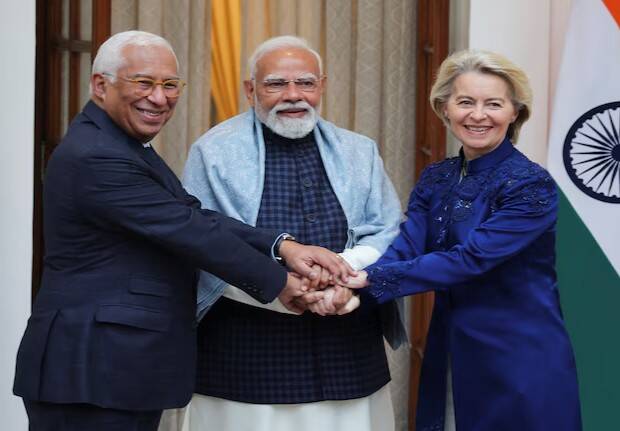
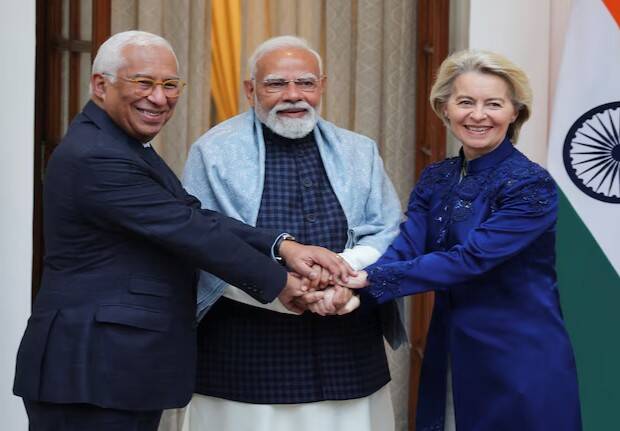
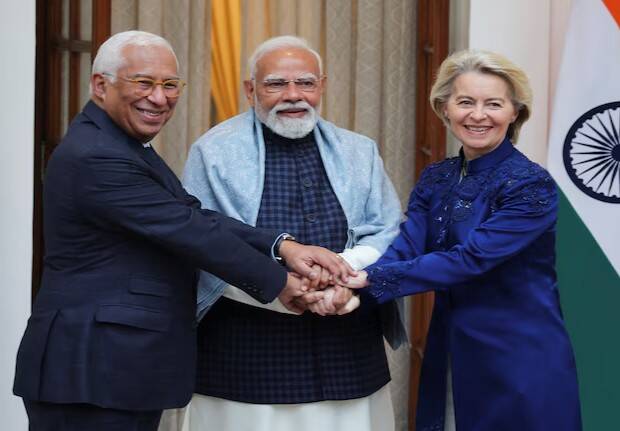
The agreement is also seen as a major step forward in the development of the India-EU FTA, which has been under negotiation for several years. The FTA is expected to provide a significant boost to trade and investment between India and the EU, and the agreement on banking services is seen as a key component of the overall agreement. The FTA is expected to cover a wide range of areas, including trade in goods and services, investment, and intellectual property, and is expected to provide significant benefits to both India and the EU.
The increased presence of EU banks in India is also expected to provide a significant boost to the Indian economy, which is currently one of the fastest-growing major economies in the world. The entry of more EU banks into the Indian market is expected to lead to increased foreign investment in the country, as well as greater access to international capital markets. This is expected to provide a significant boost to the Indian economy, and enable the country to achieve its goal of becoming a major economic power.
In conclusion, the decision to allow EU banks to open up to 15 branches in India over the next four years is a significant development in the India-EU FTA. The agreement is expected to provide a significant boost to the Indian banking sector, as well as the Indian economy as a whole. The increased presence of EU banks in India is expected to lead to greater competition, innovation, and efficiency in the sector, as well as improved services for Indian customers. The agreement is also seen as a major step forward in the development of the India-EU FTA, and is expected to provide significant benefits to both India and the EU.
The move is also expected to increase the flow of foreign investment into India, which is currently one of the fastest-growing major economies in the world. The entry of more EU banks into the Indian market is expected to provide Indian customers with greater access to international banking services, as well as increased access to international capital markets. This is expected to provide a significant boost to the Indian economy, and enable the country to achieve its goal of becoming a major economic power.
The Indian government has also welcomed the agreement, stating that it is a major step forward in the development of the India-EU FTA. The government has said that the agreement is expected to provide a significant boost to the Indian banking sector, as well as the Indian economy as a whole. The government has also stated that it is committed to providing a favorable business environment for EU banks operating in India, and is expected to take a number of steps to facilitate the entry of more EU banks into the Indian market.
Overall, the decision to allow EU banks to open up to 15 branches in India over the next four years is a significant development in the India-EU FTA. The agreement is expected to provide a significant boost to the Indian banking sector, as well as the Indian economy as a whole. The increased presence of EU banks in India is expected to lead to greater competition, innovation, and efficiency in the sector, as well as improved services for Indian customers.
About the Author