EU banks now allowed to open 15 branches in India under FTA
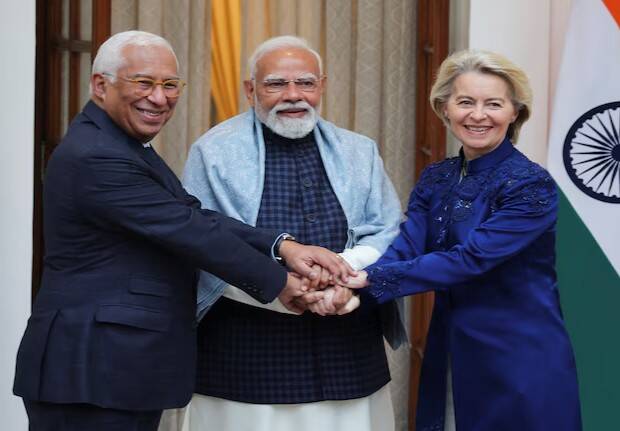
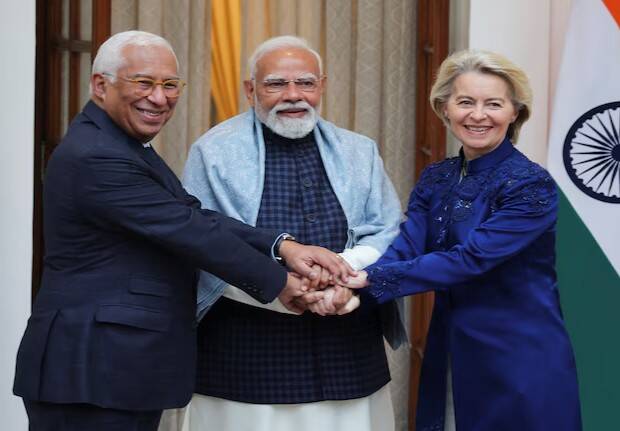
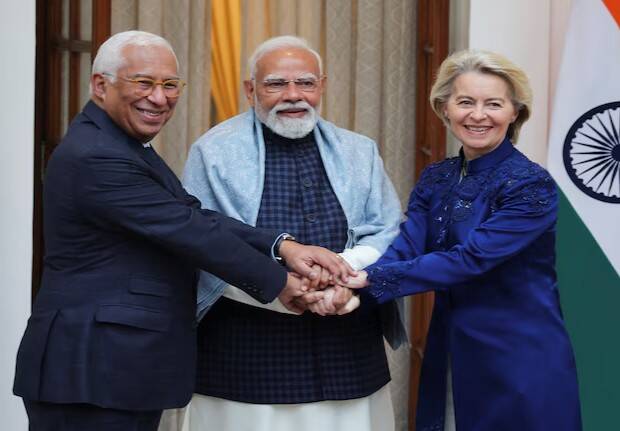
In a significant development, the Indian government has agreed to allow European Union (EU) banks to open up to 15 branches in the country over a period of four years, as part of the newly signed Free Trade Agreement (FTA). This move is expected to strengthen the economic ties between India and the EU, and provide Indian consumers with greater access to international banking services.
Under the terms of the agreement, EU banks will be permitted to establish a maximum of 15 branches in India over the next four years. This represents a significant increase from the current number of EU bank branches in India, which stands at 33, operated by five different banks. In return, India has secured a reciprocal arrangement, whereby Indian banks will not be subject to any numerical limits on opening branches in the EU.
The FTA is expected to have far-reaching implications for the Indian banking sector, which has been facing increasing competition from international banks in recent years. The entry of EU banks into the Indian market is likely to lead to increased competition, improved services, and greater innovation in the sector. Indian consumers can expect to benefit from a wider range of banking products and services, including specialized financial services and investment products.
The agreement is also expected to provide a significant boost to India’s economic growth, by attracting greater foreign investment and promoting trade between India and the EU. The EU is one of India’s largest trading partners, and the FTA is expected to increase bilateral trade between the two regions. Indian businesses, particularly those in the export sector, are likely to benefit from improved access to EU markets and increased investment from EU companies.
Currently, three Indian banks maintain branches in the EU, and the FTA is expected to lead to an increase in the number of Indian banks operating in the region. The absence of numerical limits on Indian banks opening branches in the EU is a significant concession, and reflects the EU’s commitment to promoting greater economic cooperation between the two regions.
The FTA is also expected to lead to increased cooperation between Indian and EU regulators, with a view to promoting greater stability and security in the financial sector. The agreement includes provisions for the sharing of information and best practices, as well as cooperation on issues such as anti-money laundering and combating the financing of terrorism.
The entry of EU banks into the Indian market is likely to lead to increased competition among Indian banks, which will be forced to innovate and improve their services in order to remain competitive. This is expected to lead to improved services and products for Indian consumers, as well as increased efficiency and productivity in the banking sector.
In addition, the FTA is expected to lead to increased investment in the Indian financial sector, as EU banks and financial institutions take advantage of the new opportunities presented by the agreement. This is likely to lead to the creation of new jobs and opportunities in the sector, as well as increased economic growth and development.
Overall, the FTA represents a significant development in the economic relationship between India and the EU, and is expected to have far-reaching implications for the Indian banking sector. The entry of EU banks into the Indian market is likely to lead to increased competition, improved services, and greater innovation, and is expected to provide a significant boost to India’s economic growth and development.
In conclusion, the agreement to allow EU banks to open up to 15 branches in India over four years is a significant development, and reflects the Indian government’s commitment to promoting greater economic cooperation between India and the EU. The FTA is expected to lead to increased competition, improved services, and greater innovation in the Indian banking sector, and is likely to provide a significant boost to India’s economic growth and development.
About the Author