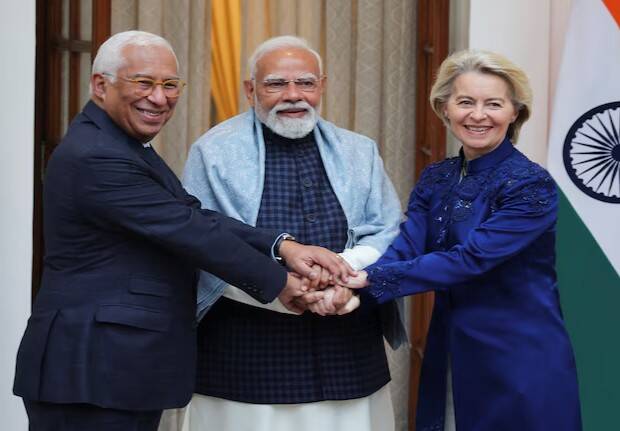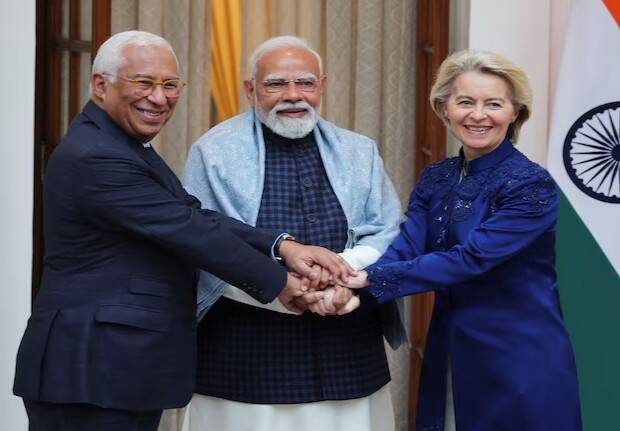
EU banks now allowed to open 15 branches in India under FTA
In a significant development, the Indian government has announced that it will allow European Union (EU) banks to open up to 15 branches in the country over a period of four years, under the new Free Trade Agreement (FTA). This move is expected to strengthen the economic ties between India and the EU, and provide a boost to the banking sector in both regions.
As part of the agreement, India has agreed to allow EU banks to open a maximum of 15 branches in the country, with a minimum of 3 branches to be opened in the first year. In return, the EU has agreed not to impose any numerical limits on the number of branches that Indian banks can open in the union. This is a significant concession, as it will allow Indian banks to expand their presence in the EU without facing any restrictions.
Currently, there are five EU banks operating in India, with a total of 33 branches. These banks are Barclays, Deutsche Bank, HSBC, BNP Paribas, and Societe Generale. On the other hand, three Indian banks – State Bank of India, Bank of India, and ICICI Bank – maintain branches in the EU. With the new FTA, it is expected that more EU banks will enter the Indian market, and Indian banks will also expand their presence in the EU.
The FTA between India and the EU is expected to increase trade and investment between the two regions, and the banking sector is likely to play a key role in this process. The agreement will provide EU banks with greater access to the Indian market, and will allow them to offer a range of financial services to Indian customers. At the same time, Indian banks will be able to expand their presence in the EU, and offer their services to European customers.
The decision to allow EU banks to open up to 15 branches in India is a significant liberalization of the country’s banking sector. Previously, foreign banks were only allowed to open a limited number of branches in India, and were subject to strict regulatory requirements. However, with the new FTA, the Indian government has signaled its willingness to open up the banking sector to greater foreign participation.
The move is also expected to increase competition in the Indian banking sector, as EU banks will bring new products and services to the market. This will benefit Indian customers, who will have access to a wider range of financial services and products. At the same time, the increased competition will also put pressure on Indian banks to improve their services and products, which will ultimately benefit the Indian economy.
The FTA between India and the EU is a comprehensive agreement that covers a range of areas, including trade in goods and services, investment, and intellectual property. The agreement is expected to increase trade between the two regions, and will provide new opportunities for businesses and investors. The banking sector is a key part of the agreement, and the decision to allow EU banks to open up to 15 branches in India is a significant development in this area.
In conclusion, the decision to allow EU banks to open up to 15 branches in India under the FTA is a significant development that is expected to strengthen the economic ties between India and the EU. The move will provide EU banks with greater access to the Indian market, and will allow them to offer a range of financial services to Indian customers. At the same time, Indian banks will be able to expand their presence in the EU, and offer their services to European customers. The agreement is a win-win for both sides, and is expected to increase trade and investment between the two regions.
The Indian government’s decision to open up the banking sector to greater foreign participation is a significant liberalization of the sector, and is expected to increase competition and innovation in the industry. The move is also expected to benefit Indian customers, who will have access to a wider range of financial services and products. As the Indian economy continues to grow and develop, the banking sector is likely to play a key role in this process, and the FTA between India and the EU is an important step in this direction.
Overall, the FTA between India and the EU is a significant agreement that is expected to increase trade and investment between the two regions. The decision to allow EU banks to open up to 15 branches in India is a key part of this agreement, and is expected to have a significant impact on the banking sector in both regions. As the agreement is implemented, it will be important to monitor its impact and make any necessary adjustments to ensure that it is working as intended.
About the Author