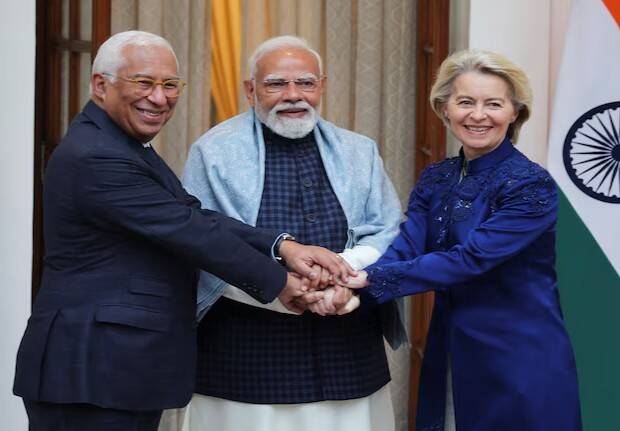
EU banks now allowed to open 15 branches in India under FTA
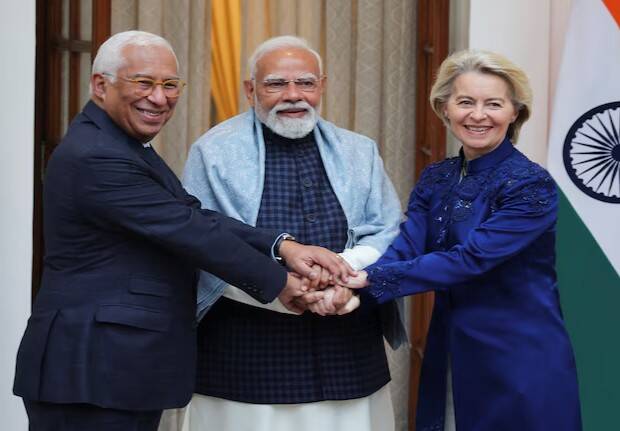
In a significant development, India has agreed to allow European Union (EU) banks to open up to 15 branches in the country over a period of four years, under the newly signed Free Trade Agreement (FTA). This move is expected to deepen the economic ties between India and the EU, and provide a boost to the banking sector in both regions.
The FTA, which is still in the process of being finalized, has been hailed as a major breakthrough in the economic relations between India and the EU. One of the key provisions of the agreement is the relaxation of rules governing the establishment of bank branches in each other’s territories. Under the new agreement, EU banks will be allowed to open up to 15 branches in India over a period of four years, subject to certain conditions and regulatory approvals.
In return, India will not be subject to any numerical limits on opening branches in the EU. This means that Indian banks will be free to establish as many branches as they want in the EU, without being restricted by any quotas or limits. This is a significant concession, as it will allow Indian banks to expand their presence in the EU and cater to the growing needs of Indian businesses and individuals in the region.
Currently, the EU has five banks with 33 branches in India, while three Indian banks maintain branches in the EU. The new agreement is expected to lead to a significant increase in the number of EU bank branches in India, and a corresponding increase in the number of Indian bank branches in the EU.
The decision to allow EU banks to open more branches in India is expected to have a positive impact on the Indian economy. It will provide Indian businesses and individuals with access to a wider range of banking services and products, and will help to increase competition in the banking sector. This, in turn, is expected to lead to better services, lower prices, and more innovative products for Indian consumers.
The FTA is also expected to lead to an increase in foreign investment in India, as EU banks and financial institutions take advantage of the new opportunities provided by the agreement. This will help to boost economic growth, create jobs, and increase prosperity in India.
The agreement is also a significant milestone in the economic relations between India and the EU. The two sides have been negotiating the FTA for several years, and the agreement is expected to be finalized soon. The FTA will cover a wide range of areas, including trade in goods and services, investment, and intellectual property rights.
The FTA is expected to have a significant impact on the Indian economy, and will help to increase trade and investment between India and the EU. The agreement will provide Indian businesses with access to a large and lucrative market, and will help to increase India’s exports to the EU.
In addition to the banking sector, the FTA is also expected to have a positive impact on other sectors of the Indian economy, including manufacturing, services, and agriculture. The agreement will provide Indian businesses with access to new markets, new technologies, and new investment opportunities, and will help to increase economic growth and prosperity in India.
Overall, the decision to allow EU banks to open up to 15 branches in India under the FTA is a significant development, and is expected to have a positive impact on the Indian economy. The agreement will provide Indian businesses and individuals with access to a wider range of banking services and products, and will help to increase competition in the banking sector. It will also lead to an increase in foreign investment in India, and will help to boost economic growth, create jobs, and increase prosperity in India.
In conclusion, the FTA between India and the EU is a significant milestone in the economic relations between the two sides. The agreement will provide Indian businesses with access to new markets, new technologies, and new investment opportunities, and will help to increase economic growth and prosperity in India. The decision to allow EU banks to open up to 15 branches in India is a key provision of the agreement, and is expected to have a positive impact on the Indian economy.
About the Author