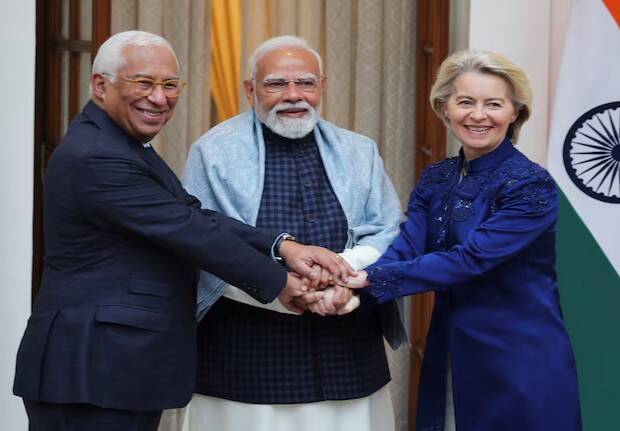
EU banks now allowed to open 15 branches in India under FTA
The financial landscape in India is set to undergo a significant transformation with the introduction of the new Free Trade Agreement (FTA) between India and the European Union (EU). Under this agreement, EU banks will be permitted to open up to 15 branches in India over a period of four years. This development is expected to increase the presence of European banks in the Indian market, leading to greater competition and a wider range of financial services for consumers.
In return for allowing EU banks to expand their operations in India, the country has secured a significant concession. Indian banks will not be subject to any numerical limits on opening branches in the EU. This means that Indian banks will have the freedom to establish as many branches as they wish in the EU, without being restricted by any quotas or caps. This is a major victory for Indian banks, which have been seeking to expand their presence in the European market.
Currently, the EU has five banks with a total of 33 branches in India. These banks have been operating in the country for several years and have established a significant presence in the market. On the other hand, three Indian banks maintain branches in the EU, providing financial services to customers in the region. With the new FTA, it is expected that the number of EU banks operating in India will increase, leading to greater competition and innovation in the financial sector.
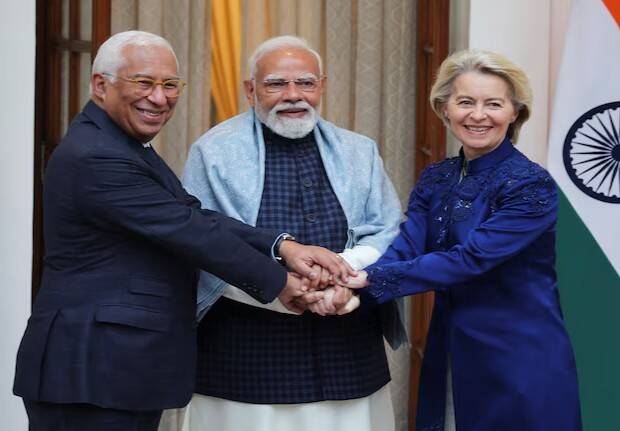
The FTA between India and the EU is a comprehensive agreement that covers a wide range of areas, including trade, investment, and services. The agreement is expected to boost economic ties between the two regions, leading to increased trade and investment flows. The agreement on banking services is a key component of the FTA, and is expected to play a major role in promoting financial cooperation between India and the EU.
The decision to allow EU banks to open up to 15 branches in India over four years is a significant liberalization of the country’s banking sector. Previously, foreign banks were subject to strict regulations and restrictions on their operations in India. However, with the new FTA, the government has signaled its intention to open up the banking sector to greater foreign participation.
The expansion of EU banks in India is expected to lead to a range of benefits for consumers. With more banks operating in the market, consumers will have access to a wider range of financial services and products. This is expected to lead to increased competition, which will drive down prices and improve the quality of services. Additionally, the presence of EU banks will bring in new technologies and banking practices, which will help to modernize the Indian banking sector.
The FTA between India and the EU is also expected to promote greater cooperation between the two regions on financial regulatory issues. The agreement includes provisions for regulatory cooperation, which will enable Indian and EU regulators to work together to address common challenges and risks. This will help to promote financial stability and prevent the spread of financial crises.
In conclusion, the decision to allow EU banks to open up to 15 branches in India under the FTA is a significant development that is expected to transform the country’s banking sector. With greater foreign participation, the sector is expected to become more competitive, innovative, and responsive to consumer needs. The agreement is also expected to promote greater cooperation between India and the EU on financial regulatory issues, which will help to promote financial stability and prevent the spread of financial crises.
As the Indian banking sector continues to evolve and grow, it is likely that we will see increased participation from EU banks. With their expertise, technology, and financial resources, EU banks are well-positioned to play a major role in the development of the Indian banking sector. As the sector becomes more open and competitive, consumers can expect to benefit from a wider range of financial services and products, as well as improved prices and quality.
The FTA between India and the EU is a major step forward in promoting economic cooperation between the two regions. As the agreement is implemented, we can expect to see significant benefits for consumers, businesses, and the economy as a whole. With its provisions on banking services, the FTA is expected to play a major role in promoting the development of the Indian banking sector, and in increasing economic ties between India and the EU.
About the Author