EU banks now allowed to open 15 branches in India under FTA
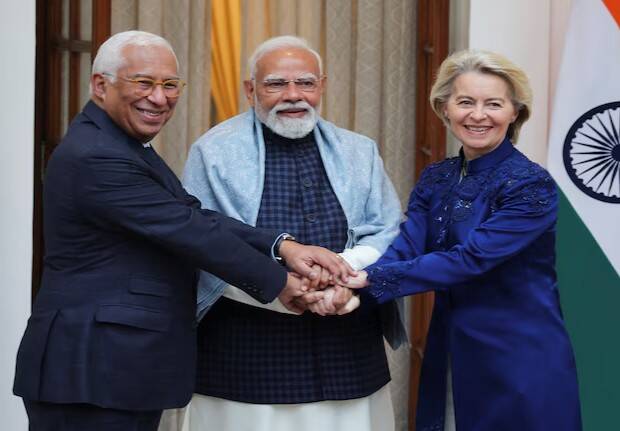
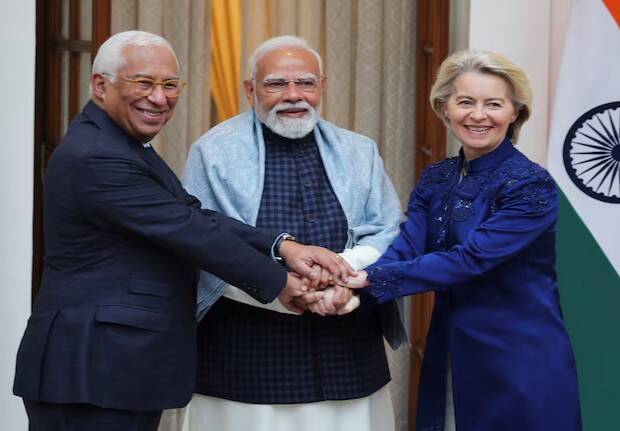
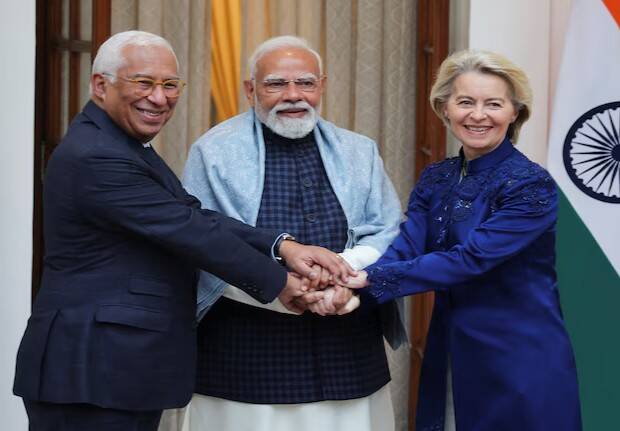
The Indian government has taken a significant step in strengthening its economic ties with the European Union (EU) by allowing EU banks to open up to 15 branches in the country over a period of four years. This decision is part of the new Free Trade Agreement (FTA) between India and the EU, which aims to promote bilateral trade and investment between the two regions. In return, India will not be subject to any numerical limits on opening branches in the EU, providing Indian banks with greater access to the European market.
Currently, there are five EU banks operating in India, with a total of 33 branches across the country. On the other hand, three Indian banks have established a presence in the EU, with several branches operating in various European countries. The new FTA is expected to increase the presence of EU banks in India, while also providing Indian banks with greater opportunities to expand their operations in the EU.
The decision to allow EU banks to open up to 15 branches in India is a significant development, as it will increase competition in the Indian banking sector and provide consumers with greater choice and access to financial services. EU banks are known for their expertise in areas such as investment banking, wealth management, and trade finance, which could benefit Indian businesses and individuals.
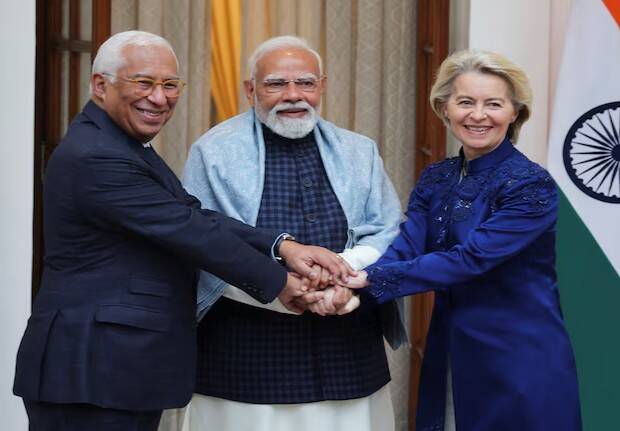
The FTA between India and the EU is a comprehensive agreement that covers a wide range of areas, including trade in goods and services, investment, and intellectual property. The agreement is expected to increase bilateral trade between the two regions, which currently stands at over $100 billion. The FTA will also provide Indian businesses with greater access to the European market, which is one of the largest and most developed markets in the world.
The decision to allow EU banks to open branches in India is also expected to attract greater foreign investment into the country. EU banks are significant players in the global banking industry, and their presence in India is expected to attract greater investment from European companies and investors. This, in turn, is expected to boost economic growth and create new job opportunities in India.
However, the decision to allow EU banks to open branches in India has also raised some concerns among Indian banks and regulators. There are concerns that the increased presence of EU banks in India could lead to greater competition and potentially even consolidation in the Indian banking sector. There are also concerns about the regulatory framework and the potential risks associated with allowing foreign banks to operate in India.
To address these concerns, the Indian government has put in place a robust regulatory framework that will govern the operations of EU banks in India. The framework will ensure that EU banks operate in accordance with Indian regulations and laws, and that they maintain the highest standards of governance and risk management.
In conclusion, the decision to allow EU banks to open up to 15 branches in India under the FTA is a significant development that is expected to increase competition and provide consumers with greater choice and access to financial services. The FTA between India and the EU is a comprehensive agreement that covers a wide range of areas, including trade in goods and services, investment, and intellectual property. The agreement is expected to increase bilateral trade and investment between the two regions, and provide Indian businesses with greater access to the European market.
As the Indian economy continues to grow and develop, the presence of EU banks in the country is expected to play an important role in providing financial services and supporting economic growth. The FTA between India and the EU is a significant step forward in strengthening economic ties between the two regions, and is expected to have a positive impact on trade, investment, and economic growth in both India and the EU.
About the Author