EU banks now allowed to open 15 branches in India under FTA
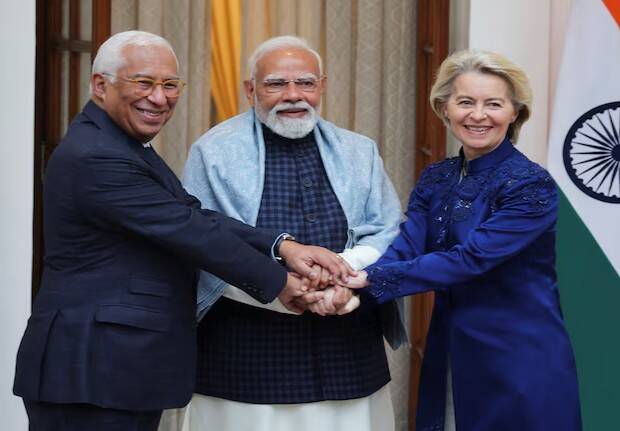
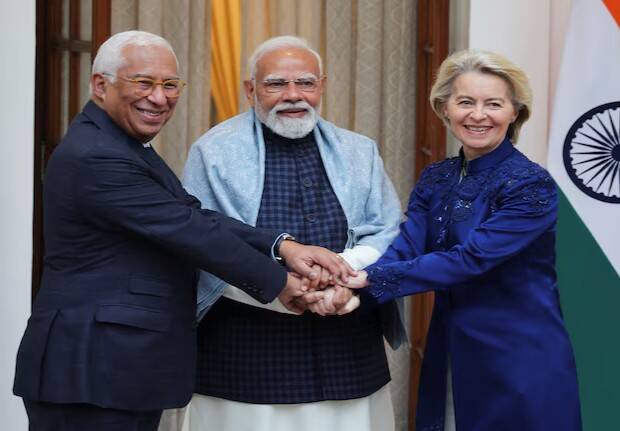
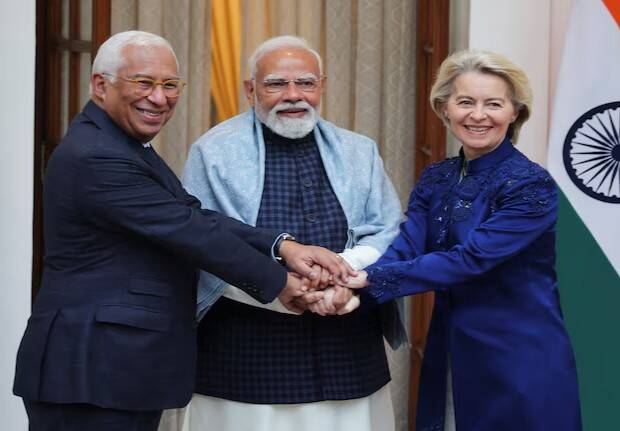
The Indian government has taken a significant step in strengthening its economic ties with the European Union (EU) by allowing EU banks to open up to 15 branches in the country over a period of four years. This decision is part of the new Free Trade Agreement (FTA) between India and the EU, which aims to promote bilateral trade and investment between the two regions.
Under the terms of the agreement, EU banks will be permitted to establish a maximum of 15 branches in India over the next four years. This move is expected to increase the presence of European banks in the Indian market, providing Indian consumers with greater access to a range of financial services and products. In return, India has secured a significant concession from the EU, as Indian banks will not be subject to any numerical limits on opening branches in the EU.
Currently, the EU has five banks operating in India, with a total of 33 branches across the country. These banks have been serving the Indian market for several years, providing a range of banking services to individuals and businesses. On the other hand, three Indian banks maintain branches in the EU, catering to the financial needs of Indian companies and individuals operating in the region.
The decision to allow EU banks to open more branches in India is expected to have a positive impact on the country’s banking sector. With the entry of more European banks, Indian consumers can expect to see an increase in competition, leading to better services and more competitive pricing. Additionally, the presence of EU banks will provide Indian businesses with greater access to international banking services, facilitating trade and investment between India and the EU.
The FTA between India and the EU is a comprehensive agreement that covers a wide range of areas, including trade in goods and services, investment, and intellectual property. The agreement aims to reduce barriers to trade and investment, promoting economic cooperation and collaboration between the two regions. By allowing EU banks to open more branches in India, the Indian government is demonstrating its commitment to liberalizing the country’s financial sector and promoting greater economic integration with the EU.
The entry of EU banks into the Indian market is also expected to bring in new technologies and innovative banking products, which will help to modernize the country’s banking sector. Indian banks have been investing heavily in digital banking and fintech, and the presence of EU banks will provide an opportunity for them to learn from the best practices and expertise of European banks.
Furthermore, the FTA is expected to promote greater cooperation between Indian and EU regulators, leading to better supervision and regulation of the banking sector. This will help to ensure that the Indian banking sector is stable and secure, with adequate safeguards in place to protect the interests of consumers and investors.
In conclusion, the decision to allow EU banks to open up to 15 branches in India over four years is a significant development in the country’s economic relations with the EU. The move is expected to promote greater economic cooperation and collaboration between the two regions, leading to increased trade and investment. With the entry of more EU banks into the Indian market, Indian consumers can expect to see an increase in competition, better services, and more competitive pricing. As the Indian government continues to liberalize the country’s financial sector, the presence of EU banks will play an important role in promoting economic growth and development.
For more information on this development, please visit: https://www.moneycontrol.com/news/business/eu-banks-can-open-up-to-15-branches-in-india-over-4-years-under-fta-13795598.html/amp
About the Author