EU banks now allowed to open 15 branches in India under FTA
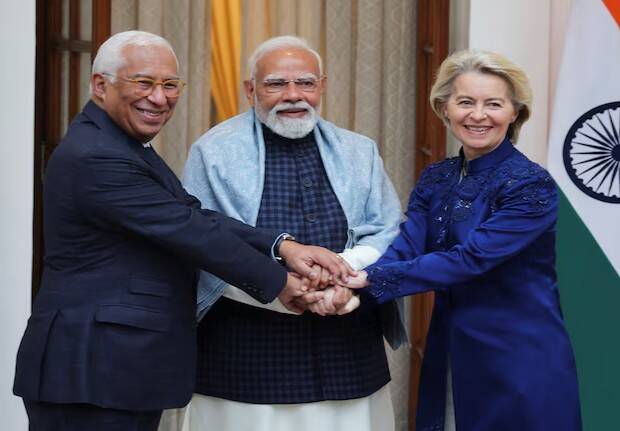
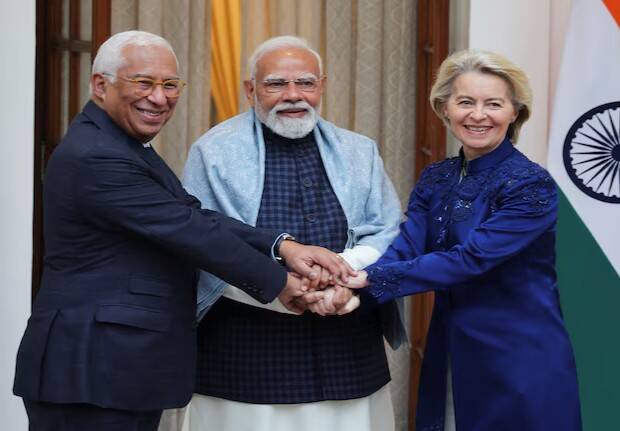
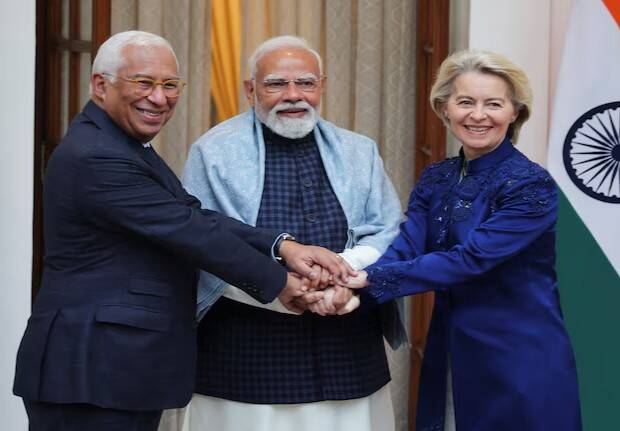
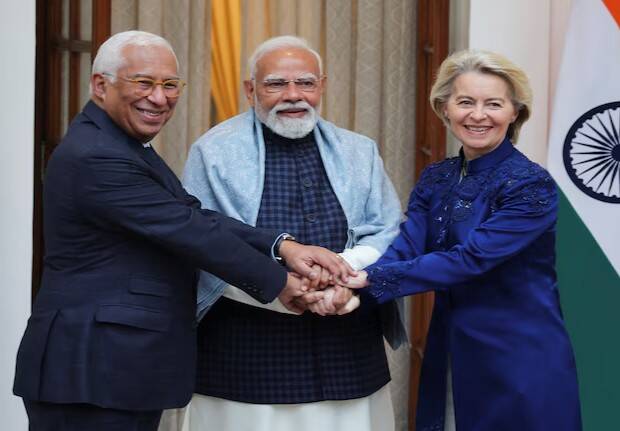
In a significant development, the Indian government has agreed to allow European Union (EU) banks to open up to 15 branches in the country over a period of four years, as part of the new Free Trade Agreement (FTA) between the two entities. This move is expected to deepen the economic ties between India and the EU, and provide a boost to the banking sector in both regions.
Under the terms of the agreement, EU banks will be permitted to establish a maximum of 15 branches in India over the next four years. This is a significant increase from the current number of EU bank branches in India, which stands at 33, operated by five banks. In return, India will not be subject to any numerical limits on opening branches in the EU, providing Indian banks with greater flexibility to expand their operations in the region.
The decision to allow EU banks to open more branches in India is a key aspect of the FTA, which aims to promote trade and investment between the two regions. The agreement is expected to provide a significant boost to the Indian economy, which has been growing rapidly in recent years. By allowing EU banks to establish a greater presence in India, the government hopes to attract more foreign investment and promote economic growth.
The FTA between India and the EU is a comprehensive agreement that covers a wide range of areas, including trade in goods and services, investment, and intellectual property. The agreement is expected to reduce trade barriers and promote economic cooperation between the two regions, which will benefit businesses and consumers alike.
The decision to allow EU banks to open more branches in India has been welcomed by the banking industry, which sees it as a positive development for the sector. The increased presence of EU banks in India is expected to promote competition and innovation in the banking sector, which will benefit consumers and businesses alike.
Currently, there are five EU banks operating in India, with a total of 33 branches. These banks are: BNP Paribas, Societe Generale, HSBC, Standard Chartered, and Barclays. In addition, three Indian banks maintain branches in the EU, including the State Bank of India, Bank of Baroda, and ICICI Bank.
The increased presence of EU banks in India is expected to provide Indian businesses with greater access to financing and other banking services. EU banks have a strong reputation for providing high-quality banking services, and their increased presence in India is expected to promote economic growth and development.
In addition to promoting economic growth, the FTA between India and the EU is also expected to promote cultural and educational exchanges between the two regions. The agreement includes provisions for cooperation in areas such as education, research, and innovation, which will benefit students, researchers, and businesses alike.
Overall, the decision to allow EU banks to open up to 15 branches in India under the FTA is a significant development that is expected to promote economic growth and cooperation between the two regions. The increased presence of EU banks in India will provide Indian businesses with greater access to financing and other banking services, while also promoting competition and innovation in the banking sector.
As the Indian economy continues to grow and develop, the need for high-quality banking services will become increasingly important. The FTA between India and the EU is a key aspect of this development, and the decision to allow EU banks to open more branches in India is a significant step forward in promoting economic cooperation between the two regions.
In conclusion, the FTA between India and the EU is a comprehensive agreement that covers a wide range of areas, including trade in goods and services, investment, and intellectual property. The decision to allow EU banks to open up to 15 branches in India over a period of four years is a significant development that is expected to promote economic growth and cooperation between the two regions. As the Indian economy continues to grow and develop, the need for high-quality banking services will become increasingly important, and the increased presence of EU banks in India will play a key role in meeting this need.
About the Author