EU banks now allowed to open 15 branches in India under FTA
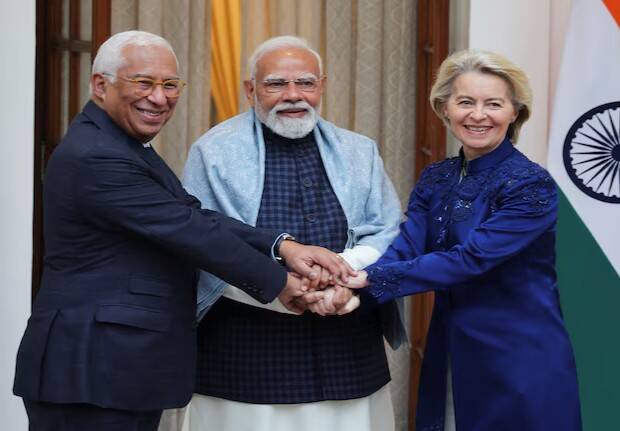
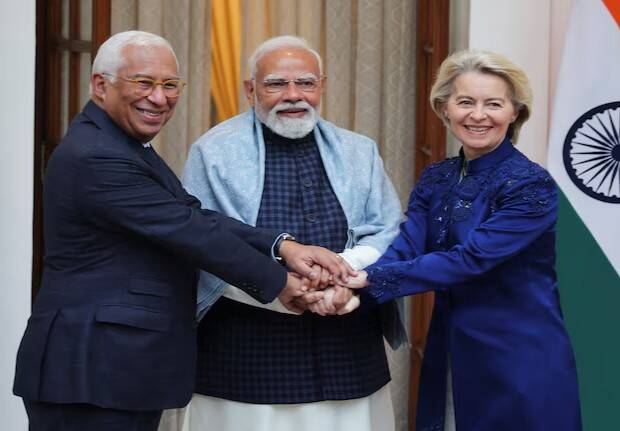
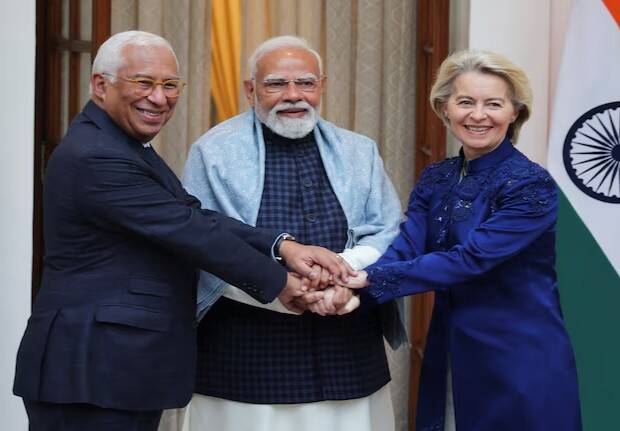
The Indian government has made a significant move to strengthen its economic ties with the European Union (EU) by allowing EU banks to open up to 15 branches in the country over a period of four years. This decision is part of the new Free Trade Agreement (FTA) between India and the EU, which aims to promote mutual trade and investment between the two regions. In return, India will not be subject to any numerical limits on opening branches in the EU, providing Indian banks with greater access to the European market.
Currently, there are five EU banks operating in India, with a total of 33 branches across the country. On the other hand, three Indian banks have established branches in the EU, marking a significant imbalance in the banking sector between the two regions. The new FTA is expected to bridge this gap and provide a more level playing field for banks from both India and the EU.
The decision to allow EU banks to open more branches in India is a strategic move by the Indian government to attract more foreign investment and promote economic growth. The Indian banking sector has been growing rapidly in recent years, driven by the country’s large and rapidly expanding middle class, as well as the government’s efforts to promote financial inclusion and digital payments. By allowing EU banks to establish a greater presence in the country, India hopes to tap into the expertise and resources of European banks, which can help to further accelerate the growth of the Indian banking sector.
The new FTA is also expected to provide a boost to trade between India and the EU, which has been growing steadily in recent years. The EU is one of India’s largest trading partners, with bilateral trade valued at over $100 billion in 2020. The FTA is expected to help increase trade between the two regions, by reducing tariffs and other trade barriers, as well as promoting greater cooperation and investment in areas such as finance, technology, and infrastructure.
The decision to allow EU banks to open more branches in India has been welcomed by the banking industry, which sees it as a positive move that can help to promote greater competition and innovation in the Indian banking sector. EU banks have a reputation for their expertise and experience in areas such as corporate banking, investment banking, and wealth management, which can help to fill gaps in the Indian banking sector.
However, some experts have also raised concerns about the potential risks associated with allowing EU banks to establish a greater presence in India. One of the main concerns is that EU banks may pose a competitive threat to Indian banks, which could struggle to compete with the larger and more established European banks. There are also concerns about the potential impact on the Indian economy, particularly if EU banks are allowed to dominate the banking sector and exert too much influence over the country’s financial system.
To address these concerns, the Indian government has put in place certain safeguards and regulations to ensure that EU banks operate in a fair and transparent manner. For example, EU banks will be required to comply with Indian banking regulations and laws, and will be subject to regular monitoring and supervision by the Reserve Bank of India (RBI). The RBI will also have the power to impose penalties and fines on EU banks that fail to comply with Indian regulations.
In conclusion, the decision to allow EU banks to open up to 15 branches in India over four years is a significant move that can help to promote greater economic cooperation and trade between India and the EU. The new FTA is expected to provide a boost to the Indian banking sector, by attracting more foreign investment and promoting greater competition and innovation. While there are some concerns about the potential risks associated with allowing EU banks to establish a greater presence in India, the Indian government has put in place certain safeguards and regulations to ensure that EU banks operate in a fair and transparent manner.
About the Author