CMs meeting CMs in Switzerland to sign deals, criminal waste of money: Rajiv Shukla
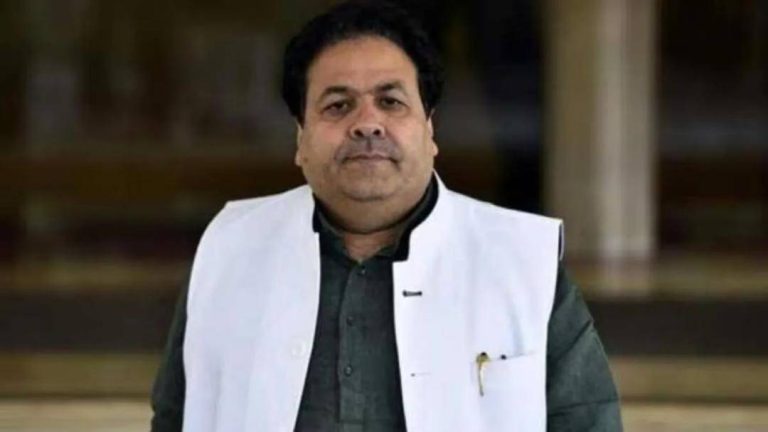
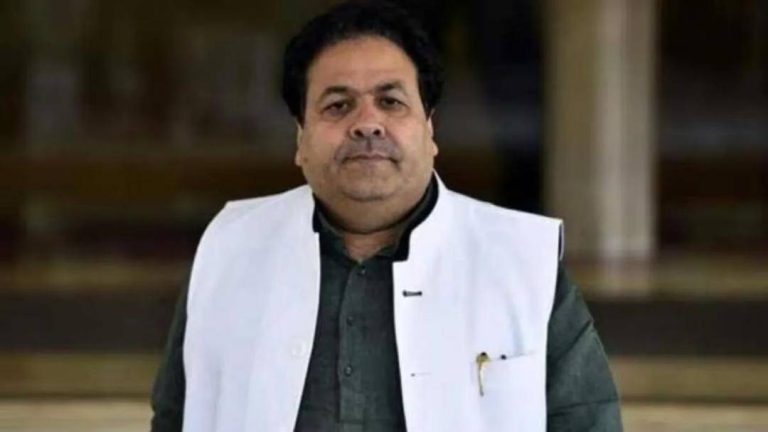
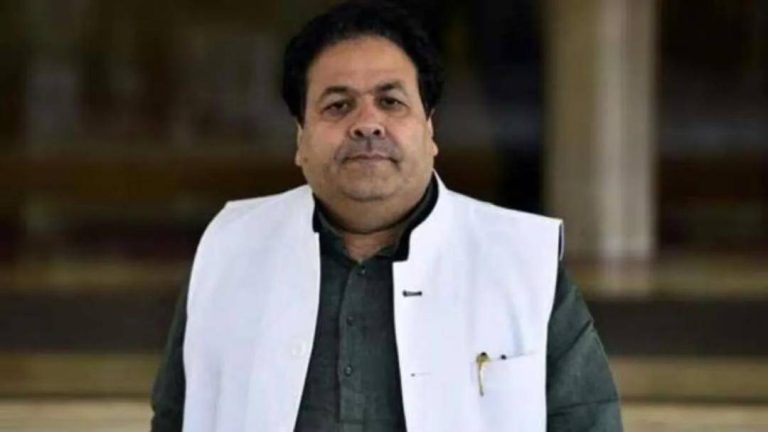
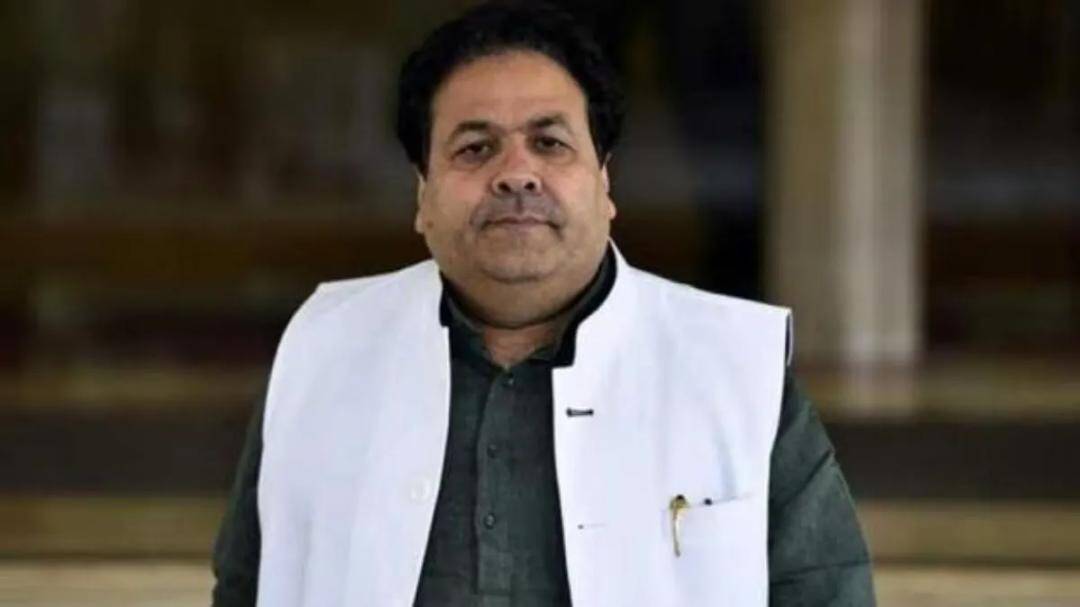
The World Economic Forum (WEF) in Davos, Switzerland, has been a platform for global leaders to come together and discuss pressing issues affecting the world economy. However, this year’s event has sparked controversy, with several Indian Chief Ministers attending the forum, inking deals with Indian companies, and meeting with other Indian dignitaries. Rajya Sabha MP Rajeev Shukla has strongly criticized this development, calling it a “criminal waste of money.”
According to Shukla, the participation of Indian Chief Ministers in the WEF is unnecessary and a waste of public funds. “It’s strange…Indians are going to Davos to meet Indians. State governments are signing agreements with Indian companies in Switzerland which they could’ve done in India,” he said. This statement highlights the absurdity of the situation, where Indian leaders are traveling to a foreign land to engage with their counterparts and sign deals that could have been easily done within the country.
Shukla’s criticism is not unfounded. The WEF is an expensive event, with participation fees running into lakhs of rupees. The cost of attending the forum, including travel, accommodation, and other expenses, is borne by the state exchequer, which ultimately means that the taxpayers’ money is being used to fund these trips. Moreover, the benefits of attending the WEF are not always clear, and it is difficult to quantify the returns on investment for the states.
The fact that Indian Chief Ministers are meeting with other Indian leaders and signing agreements with Indian companies in Davos raises questions about the purpose of their visit. As Shukla pointed out, “CMs are meeting CMs in Davos. It’s a criminal waste of money.” This statement underscores the futility of the exercise, where Indian leaders are essentially talking to each other in a foreign land, rather than engaging with global leaders and stakeholders.
The WEF is an opportunity for countries to showcase their economic prowess, attract foreign investment, and forge global partnerships. However, in the case of Indian Chief Ministers, it seems that they are using the platform to engage with domestic stakeholders, rather than leveraging the forum to promote their states’ interests globally. This approach is misguided and fails to capitalize on the potential benefits of attending the WEF.
Furthermore, the criticism of Shukla is not just about the waste of public funds but also about the lack of transparency and accountability in the decision-making process. The public has a right to know why their tax money is being used to fund these trips and what benefits the states hope to achieve from attending the WEF. Unfortunately, the lack of transparency and accountability in the system makes it difficult to hold the leaders accountable for their actions.
In conclusion, the participation of Indian Chief Ministers in the WEF has sparked controversy, with critics like Rajeev Shukla questioning the wisdom of attending the forum. The fact that Indian leaders are meeting with other Indian stakeholders and signing agreements with Indian companies in Davos raises questions about the purpose of their visit. As Shukla pointed out, it is a “criminal waste of money” to use public funds to facilitate these meetings, which could have been easily done within the country. It is essential for the government to be more transparent and accountable in its decision-making process and to ensure that public funds are used judiciously.
Source: https://x.com/ShuklaRajiv/status/2013664724563726652
About the Author