CMs meeting CMs in Switzerland to sign deals, criminal waste of money: Rajiv Shukla
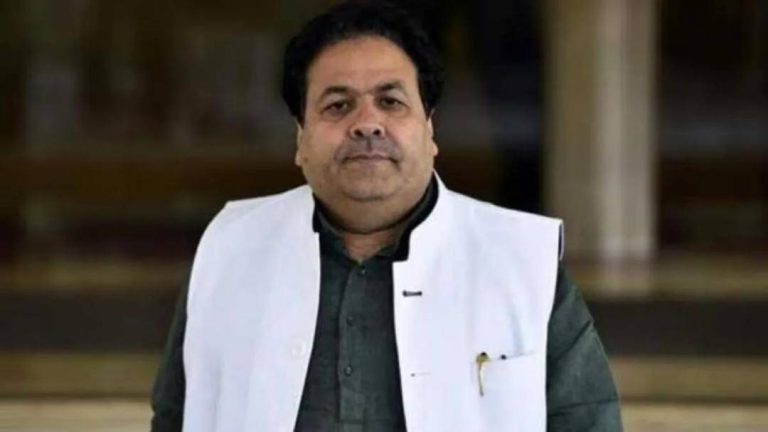
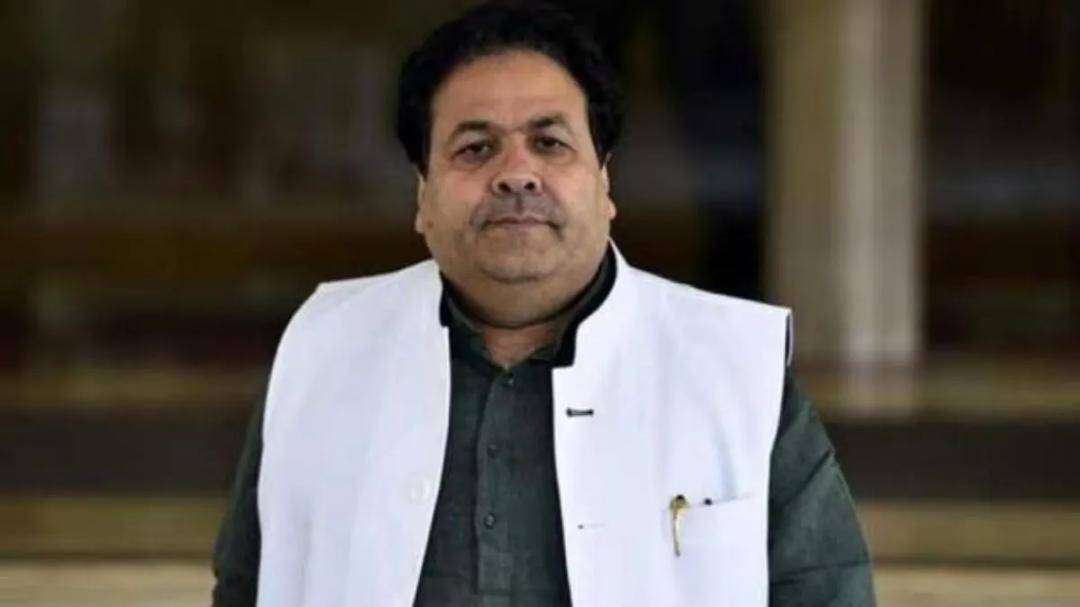
The World Economic Forum (WEF) in Davos, Switzerland, has been a platform for global leaders to come together and discuss pressing issues affecting the world economy. However, this year’s edition has sparked controversy, with several Indian Chief Ministers attending the event, inking deals with Indian companies. Rajya Sabha MP Rajeev Shukla has strongly criticized this move, calling it a “criminal waste of money.”
Shukla’s remarks come as several Indian Chief Ministers, including those from opposition-ruled states, have flocked to Davos to attend the WEF. The event, which brings together business leaders, politicians, and academics from around the world, has been criticized for being an elitist gathering, where the rich and powerful come to network and strike deals. However, what has raised eyebrows is the fact that Indian Chief Ministers are using this platform to sign agreements with Indian companies, which could have been done in India itself.
“It’s strange…Indians are going to Davos to meet Indians,” Shukla said, expressing his dismay at the situation. “State governments are signing agreements with Indian companies in Switzerland, which they could’ve done in India.” He questioned the logic behind this move, pointing out that it would have been more sensible and cost-effective to conduct such meetings and signings in India, rather than traveling all the way to Switzerland.
Shukla’s criticism is not just limited to the financial aspect of the trip. He also highlighted the absurdity of Indian Chief Ministers meeting each other in a foreign land, rather than in their own country. “CMs are meeting CMs in Davos. It’s a criminal waste of money,” he added, emphasizing the futility of such meetings.
The WEF has been criticized in the past for being a talk shop, where world leaders come to make grand statements, but rarely take concrete actions. The fact that Indian Chief Ministers are using this platform to meet each other and sign deals with Indian companies has raised questions about the efficacy of such meetings. It also raises questions about the priorities of these leaders, who seem to be more interested in rubbing shoulders with global elites, rather than addressing the pressing issues facing their states.
Moreover, the trip to Davos is not a cheap affair. The cost of attending the WEF is exorbitant, with the price of a single ticket running into thousands of dollars. Add to this the cost of travel, accommodation, and security, and the total bill runs into lakhs of rupees. This is a significant amount of money, which could have been better spent on developmental projects or welfare schemes back in India.
Shukla’s criticism has sparked a debate about the relevance and usefulness of the WEF, particularly for Indian leaders. While some argue that the WEF provides a platform for India to showcase its economic potential and attract foreign investment, others see it as a luxury that the country can ill afford. As India grapples with pressing issues like poverty, unemployment, and inequality, the sight of its leaders hobnobbing with global elites in a luxurious Swiss resort town is unlikely to go down well with the common man.
In conclusion, Rajeev Shukla’s criticism of the Indian Chief Ministers’ participation in the WEF is well-founded. The fact that they are signing deals with Indian companies in Switzerland, rather than in India, is a clear case of unnecessary expenditure and a waste of resources. The meeting of Indian Chief Ministers in a foreign land, rather than in their own country, is also a questionable practice. As the country struggles to address its developmental challenges, it is imperative that its leaders prioritize the needs of the people, rather than indulging in luxurious junkets abroad.
News Source: https://x.com/ShuklaRajiv/status/2013664724563726652
About the Author