CMs meeting CMs in Switzerland to sign deals, criminal waste of money: Rajiv Shukla
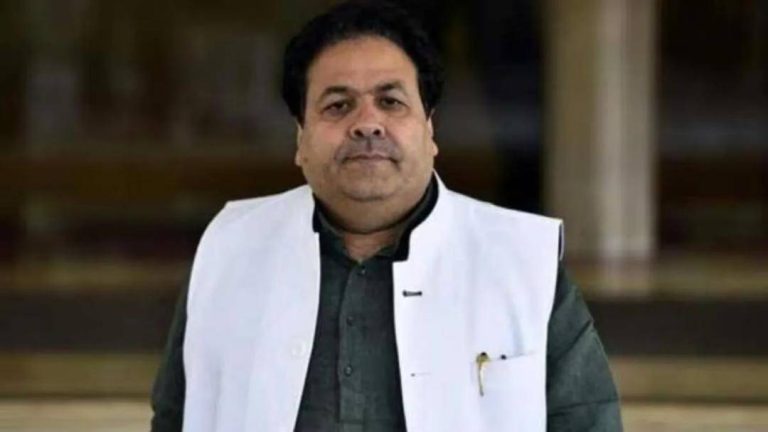
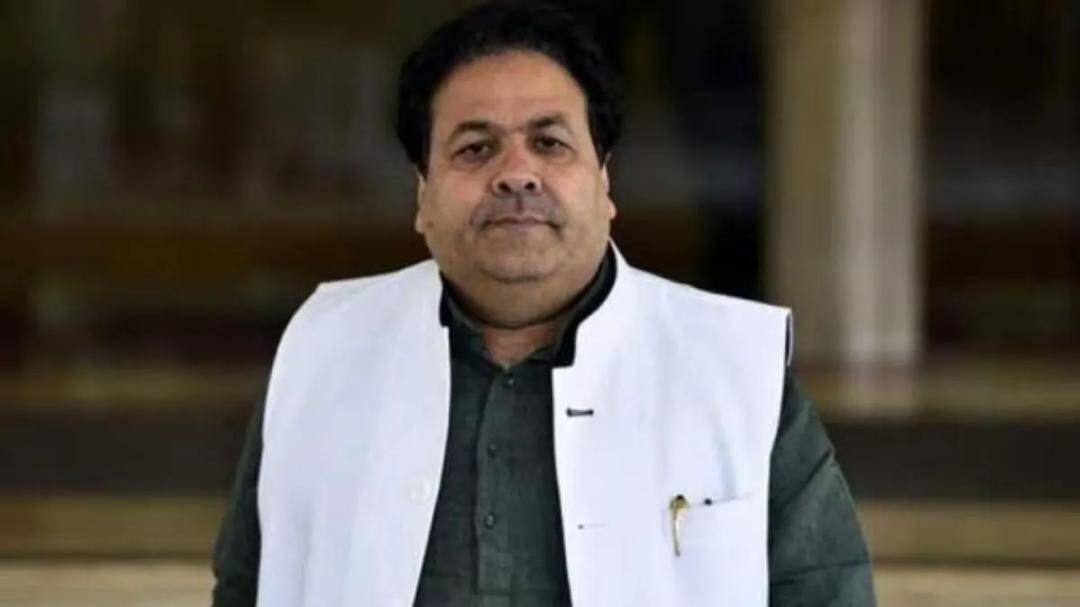
The World Economic Forum (WEF) in Davos, Switzerland, has become a hub for global leaders to converge and discuss pressing economic issues. However, the participation of Indian Chief Ministers in the ongoing forum has sparked controversy, with Rajya Sabha MP Rajeev Shukla criticizing the move. According to Shukla, the presence of Indian CMs in Davos is a “criminal waste of money” as they are essentially meeting their Indian counterparts and signing agreements with Indian companies in a foreign land.
Shukla’s remarks have ignited a debate about the necessity of Indian leaders attending the WEF in Davos. The MP’s statement, “It’s strange…Indians are going to Davos to meet Indians. State governments are signing agreements with Indian companies in Switzerland which they could’ve done in India,” highlights the redundancy of such meetings. He further emphasized that “CMs are meeting CMs in Davos,” implying that the interactions between Indian leaders could have easily taken place within the country, eliminating the need for expensive foreign travel.
The WEF in Davos is an annual event that brings together global leaders, entrepreneurs, and intellectuals to discuss pressing economic and social issues. While the forum provides a platform for networking and collaboration, the participation of Indian CMs has raised questions about the benefits of such interactions. Shukla’s criticism suggests that the Indian leaders could be utilizing their time and resources more efficiently by focusing on domestic issues rather than traveling abroad to meet their counterparts.
One of the primary concerns surrounding the participation of Indian CMs in the WEF is the cost associated with their travel and accommodation. The Indian government foots the bill for the CMs’ trips, which includes expenses such as airfare, hotel stays, and security arrangements. These costs can be substantial, and Shukla’s criticism implies that the money could be better spent on addressing pressing domestic issues, such as poverty, education, and healthcare.
Moreover, the agreements signed between Indian state governments and companies in Davos could have been negotiated and finalized within India. The presence of Indian leaders in Davos may provide a platform for showcasing the country’s economic potential, but it is essential to weigh the benefits against the costs. If the primary outcome of these meetings is the signing of agreements that could have been done domestically, then it is reasonable to question the value of participating in the WEF.
Shukla’s criticism also highlights the issue of accountability and transparency in the use of public funds. As elected representatives, CMs are responsible for ensuring that public money is utilized efficiently and effectively. By traveling to Davos to meet their counterparts and sign agreements, they may be perceived as indulging in unnecessary extravagance, which could erode public trust.
In response to Shukla’s criticism, supporters of the Indian CMs’ participation in the WEF might argue that the forum provides a unique opportunity for networking and collaboration with global leaders. They might claim that the interactions between Indian leaders and their international counterparts can lead to the exchange of ideas, the formation of new partnerships, and the attraction of foreign investment. However, it is essential to balance these potential benefits against the costs and to ensure that the participation of Indian CMs in the WEF is aligned with the country’s economic and social priorities.
In conclusion, Rajeev Shukla’s criticism of the participation of Indian Chief Ministers in the World Economic Forum in Davos has sparked a necessary debate about the value of such interactions. While the WEF provides a platform for global leaders to converge and discuss pressing issues, it is essential to ensure that the participation of Indian leaders is aligned with the country’s economic and social priorities. The Indian government must prioritize accountability and transparency in the use of public funds and ensure that the benefits of participating in the WEF outweigh the costs.
News Source: https://x.com/ShuklaRajiv/status/2013664724563726652
About the Author