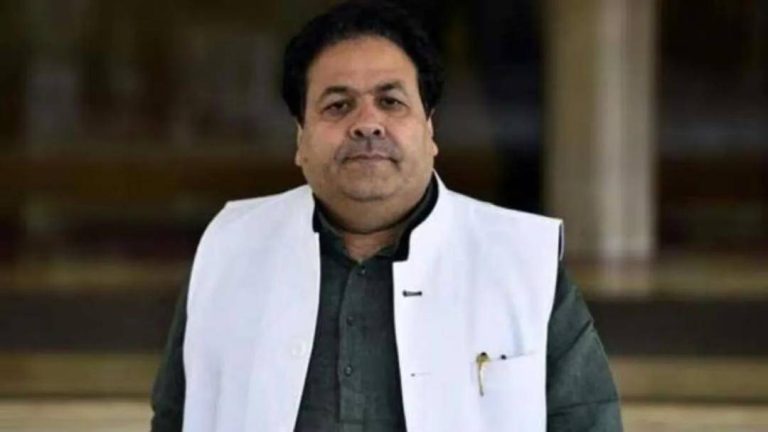
CMs meeting CMs in Switzerland to sign deals, criminal waste of money: Rajiv Shukla
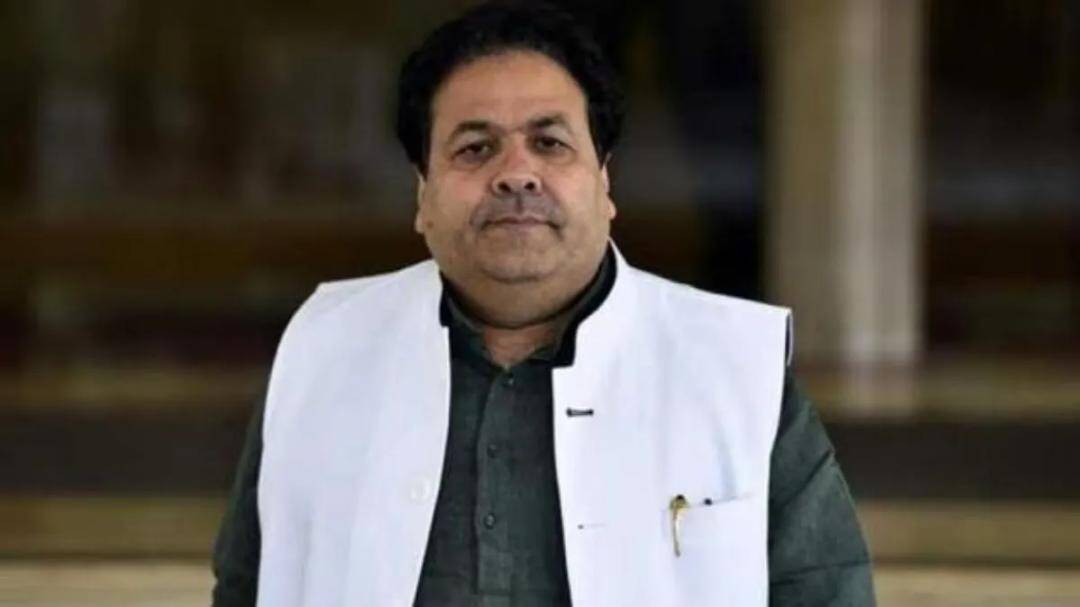
The World Economic Forum (WEF) in Davos, Switzerland, has been a hub for global leaders, entrepreneurs, and economists to gather and discuss pressing issues affecting the world economy. However, this year’s event has sparked controversy, particularly among Indian politicians. Rajya Sabha MP Rajeev Shukla has criticized the participation of Indian Chief Ministers in the ongoing WEF, calling it a “criminal waste of money.”
Shukla’s criticism stems from the fact that state governments are signing agreements with Indian companies in Switzerland, which could have been done in India. He questioned the logic behind Indian Chief Ministers traveling to Davos to meet with other Indian leaders and sign deals with Indian companies. “It’s strange…Indians are going to Davos to meet Indians. State governments are signing agreements with Indian companies in Switzerland which they could’ve done in India,” he said.
The Rajya Sabha MP further emphasized that the practice of Chief Ministers meeting with each other in Davos is a futile exercise. “CMs are meeting CMs in Davos. It’s a criminal waste of money,” he added. Shukla’s comments have sparked a debate about the necessity of Indian leaders attending the WEF and the potential benefits of such interactions.
On one hand, proponents of the WEF argue that it provides a platform for global leaders to engage in meaningful discussions, share ideas, and forge partnerships that can drive economic growth and development. The event brings together some of the most influential people in the world, and Indian leaders can leverage this opportunity to promote their states and attract foreign investment.
On the other hand, critics like Shukla argue that the benefits of attending the WEF are outweighed by the costs. The expense of traveling to Davos, accommodation, and other logistics can be substantial, and the Indian government could allocate these resources more efficiently. Moreover, the practice of signing agreements with Indian companies in Switzerland raises questions about the transparency and accountability of such deals.
Shukla’s criticism also highlights the issue of accountability in governance. When state governments sign agreements with Indian companies in a foreign country, it can create a lack of transparency and make it difficult to track the progress of these deals. The Indian public has a right to know how their tax money is being spent, and such practices can erode trust in the government.
Furthermore, the WEF has been criticized for being an elitist event that caters to the interests of the wealthy and powerful. The forum’s emphasis on neoliberal economic policies and globalization has been accused of perpetuating income inequality and undermining social welfare programs. In this context, Shukla’s criticism of Indian Chief Ministers attending the WEF can be seen as a commentary on the broader issues of economic justice and accountability.
In recent years, the Indian government has faced criticism for its handling of economic policies, including the implementation of the Goods and Services Tax (GST) and the demonetization of high-value currency notes. The government’s decision to participate in the WEF and sign agreements with Indian companies in Switzerland can be seen as a attempt to project a positive image of India’s economy and attract foreign investment. However, such efforts may be perceived as superficial and ineffective in addressing the underlying economic challenges facing the country.
In conclusion, Rajiv Shukla’s criticism of Indian Chief Ministers attending the World Economic Forum in Davos highlights the need for greater transparency and accountability in governance. The practice of signing agreements with Indian companies in Switzerland raises questions about the efficiency and effectiveness of such deals, and the Indian government must prioritize the allocation of resources to benefit the broader population. As the country continues to navigate the complexities of economic development, it is essential to ensure that the government’s actions are guided by a commitment to transparency, accountability, and social welfare.
News source: https://x.com/ShuklaRajiv/status/2013664724563726652
About the Author